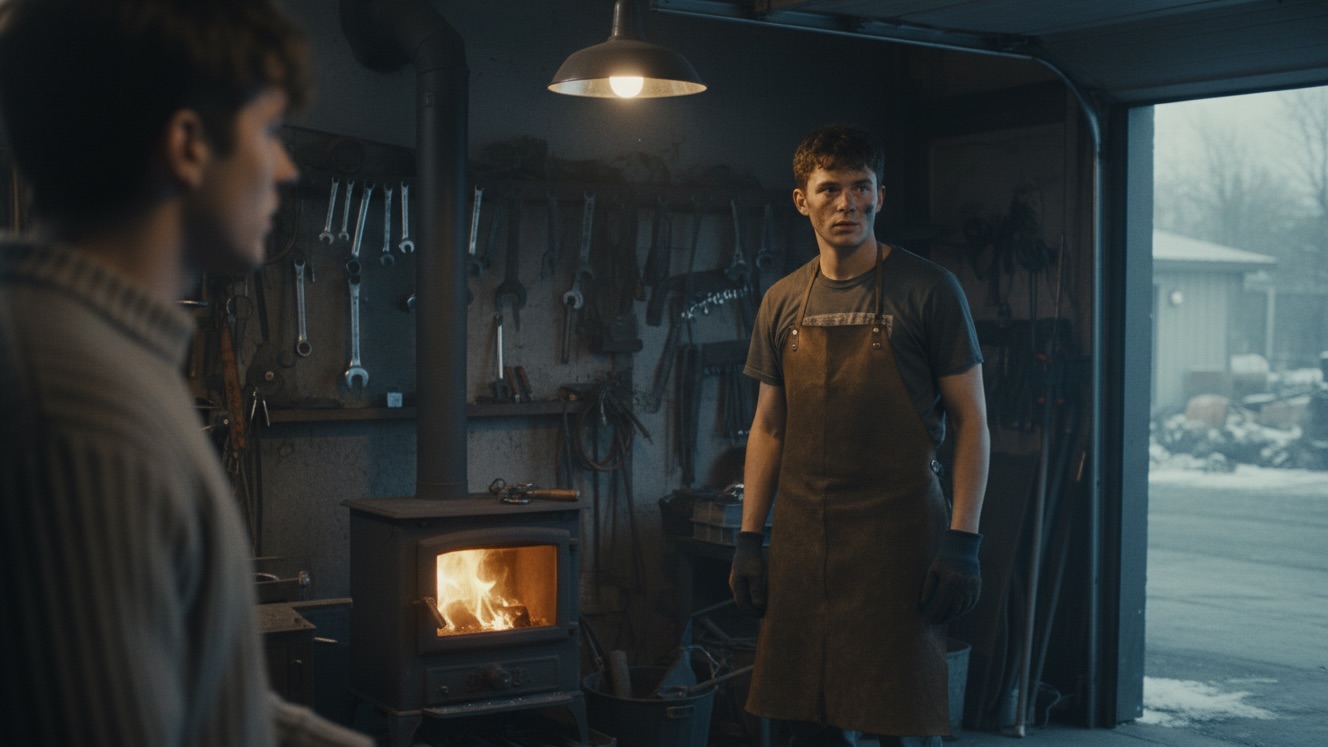
Static on the Line
By Jamie F. Bell
Jimmy visits Simon in his converted garage studio during a harsh Northwestern Ontario deep freeze to confront him about a stalled portfolio and their stalled relationship.
A curated collection of slice of life short stories to read.
By Jamie F. Bell
Jimmy visits Simon in his converted garage studio during a harsh Northwestern Ontario deep freeze to confront him about a stalled portfolio and their stalled relationship.
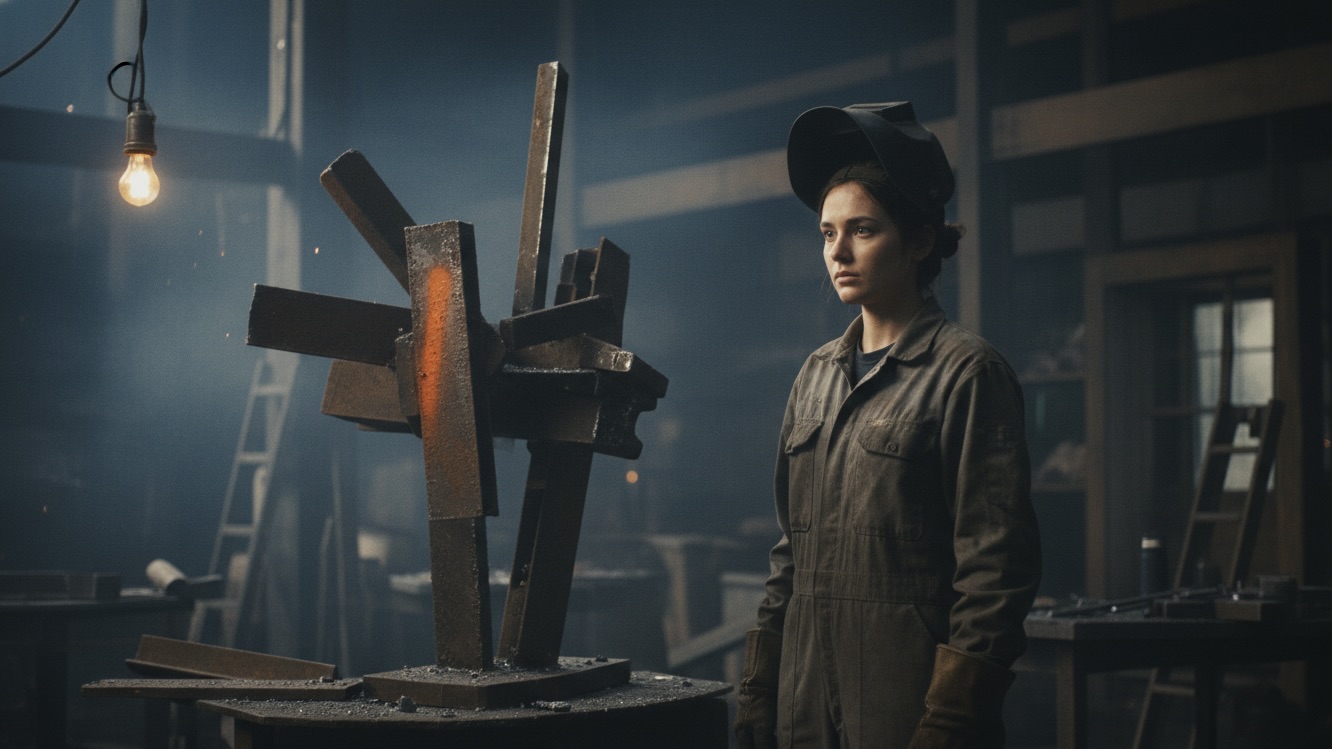
By Art Borups Corners
A sweltering afternoon in a cluttered industrial lot where a collaborative art piece has been destroyed.
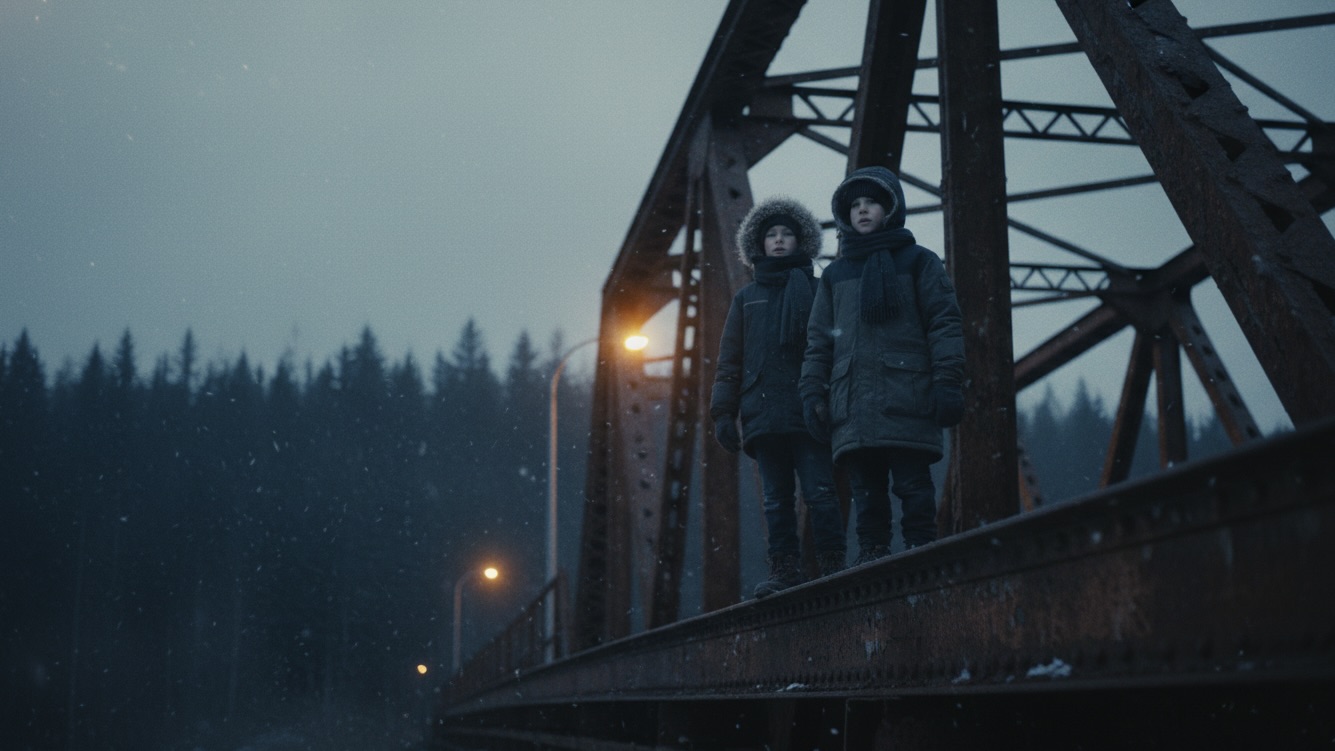
By Eva Suluk
Leon and Sam fight against a severe drop in temperature while walking home from school, discussing the futility of creative effort in a town focused on survival.
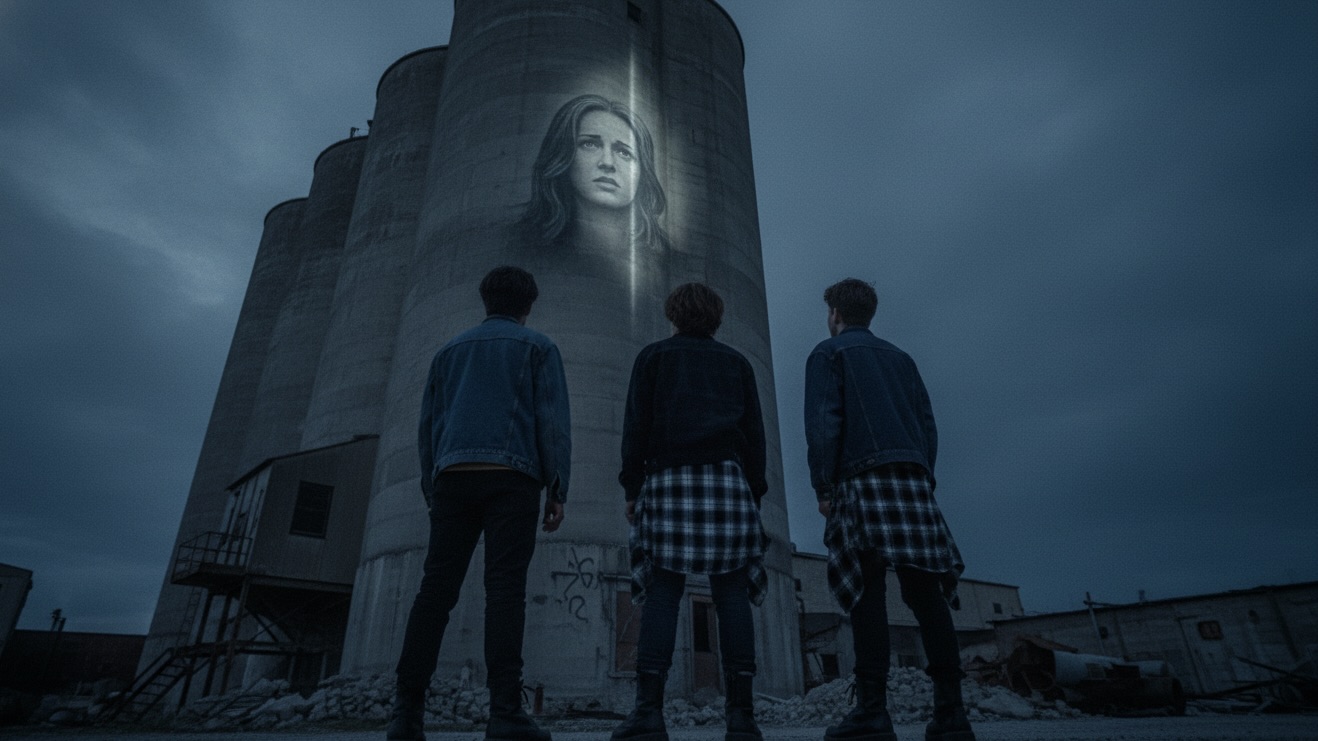
By Jamie F. Bell
Three teenagers trespass in an industrial railyard in Northwestern Ontario, 1996, discovering a piece of guerilla art that shouldn't exist.

By Art Borups Corners
Jeff and Sam are stuck in a drafty, under-heated community center basement late at night, trying to set up for a local art showcase while debating the merits of staying in a small northern town.
By Jamie F. Bell
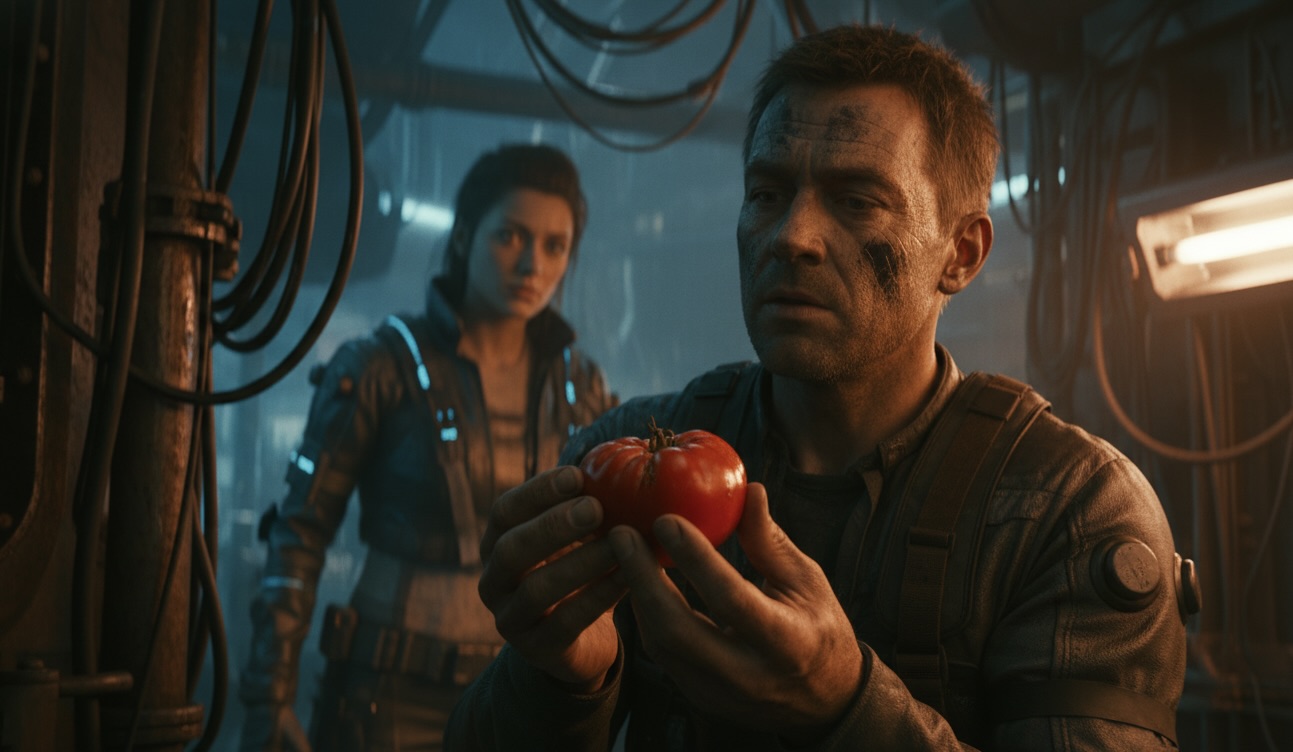
A precarious maintenance ledge on the side of a mega-tower, hidden behind a malfunctioning HVAC unit, where a secret garden struggles against the toxic rain.
By Jamie F. Bell
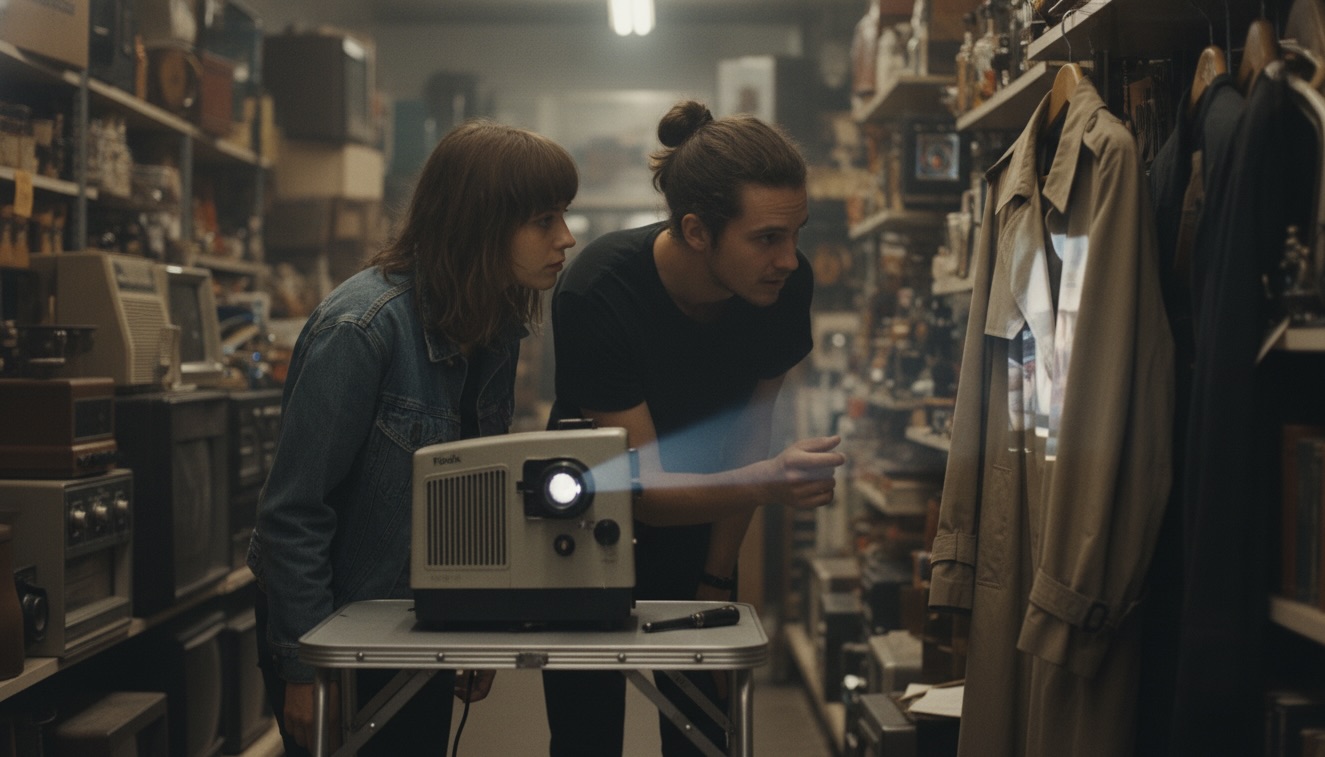
A dusty, cluttered antique shop in Winnipeg on a hot summer afternoon, where two strangers bond over a vintage slide projector.
By Jamie F. Bell
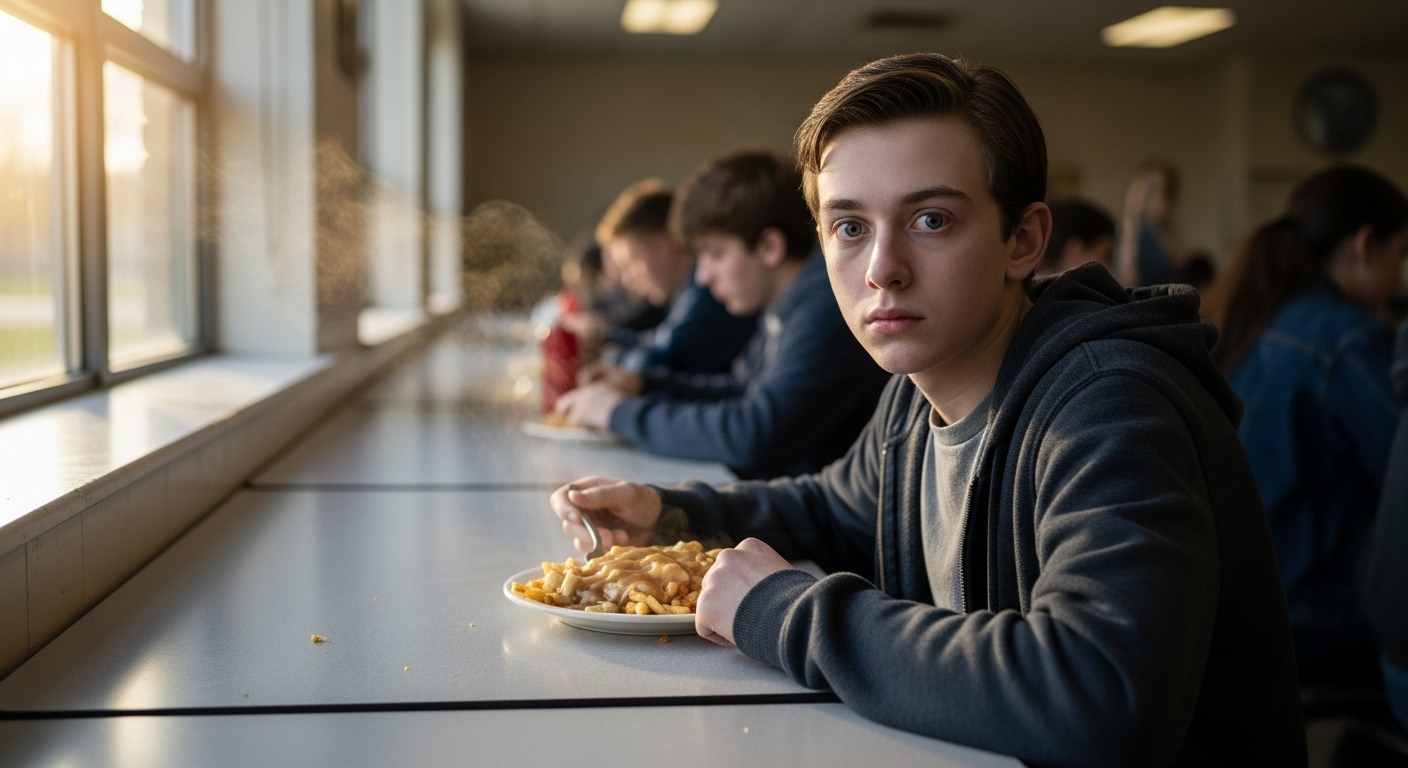
The cafeteria was, as always, a symphony of adolescent chaos: the clatter of trays, the shrill laughter of newly-formed cliques, the low thrum of a thousand whispered secrets. Sunlight, thick and golden from the late autumn afternoon, spilled across the linoleum floor, catching dust motes in its wide, indifferent gaze. A familiar smell of burnt cheese and industrial cleaner hung heavy, a comforting, if unappetising, blanket. Yet, for Frank, the ordinary theatre of lunchtime felt strangely… perforated, as if the reality around them was a film projector skipping frames.
By Jamie F. Bell
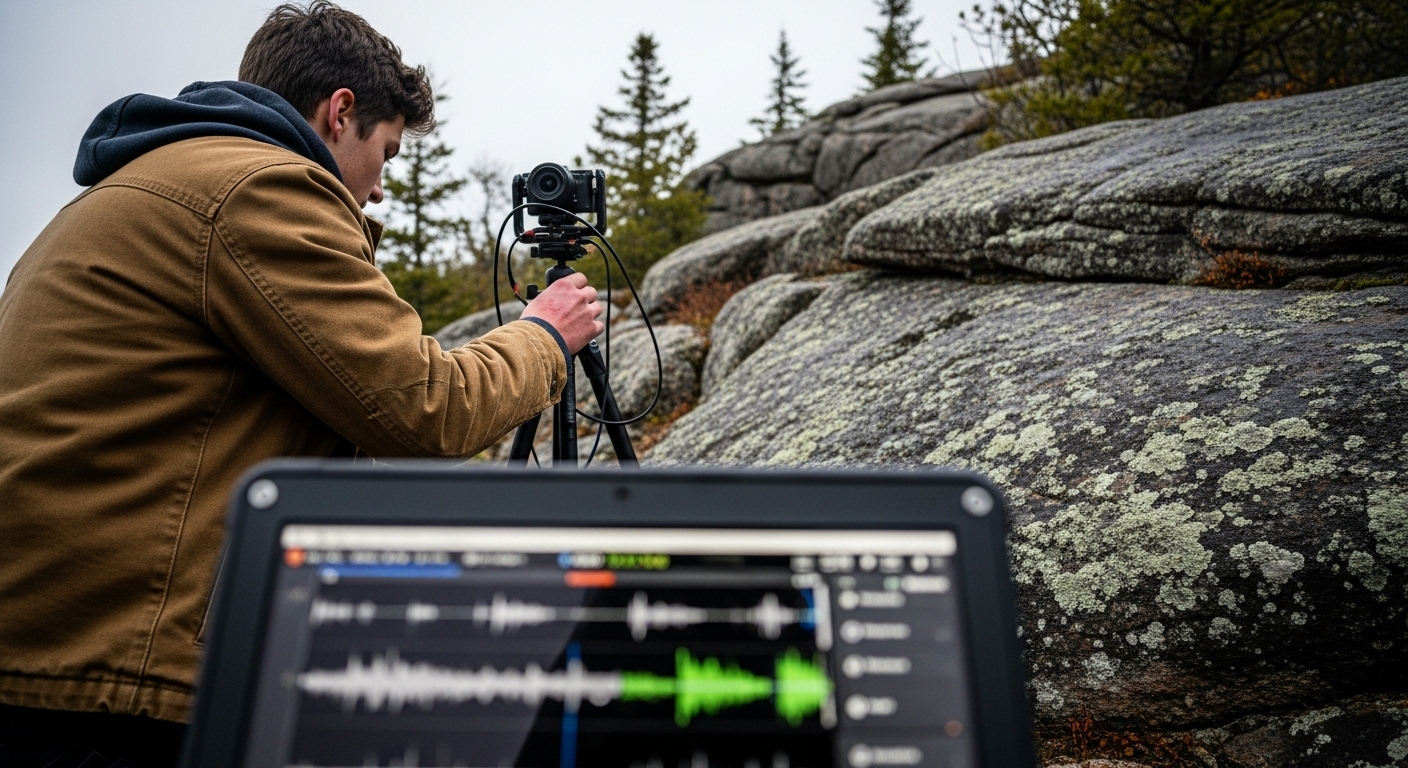
On a blustery ridge in Northwestern Ontario, Ben and his team struggle to calibrate their VR equipment before the temperature drops further.
By Jamie F. Bell
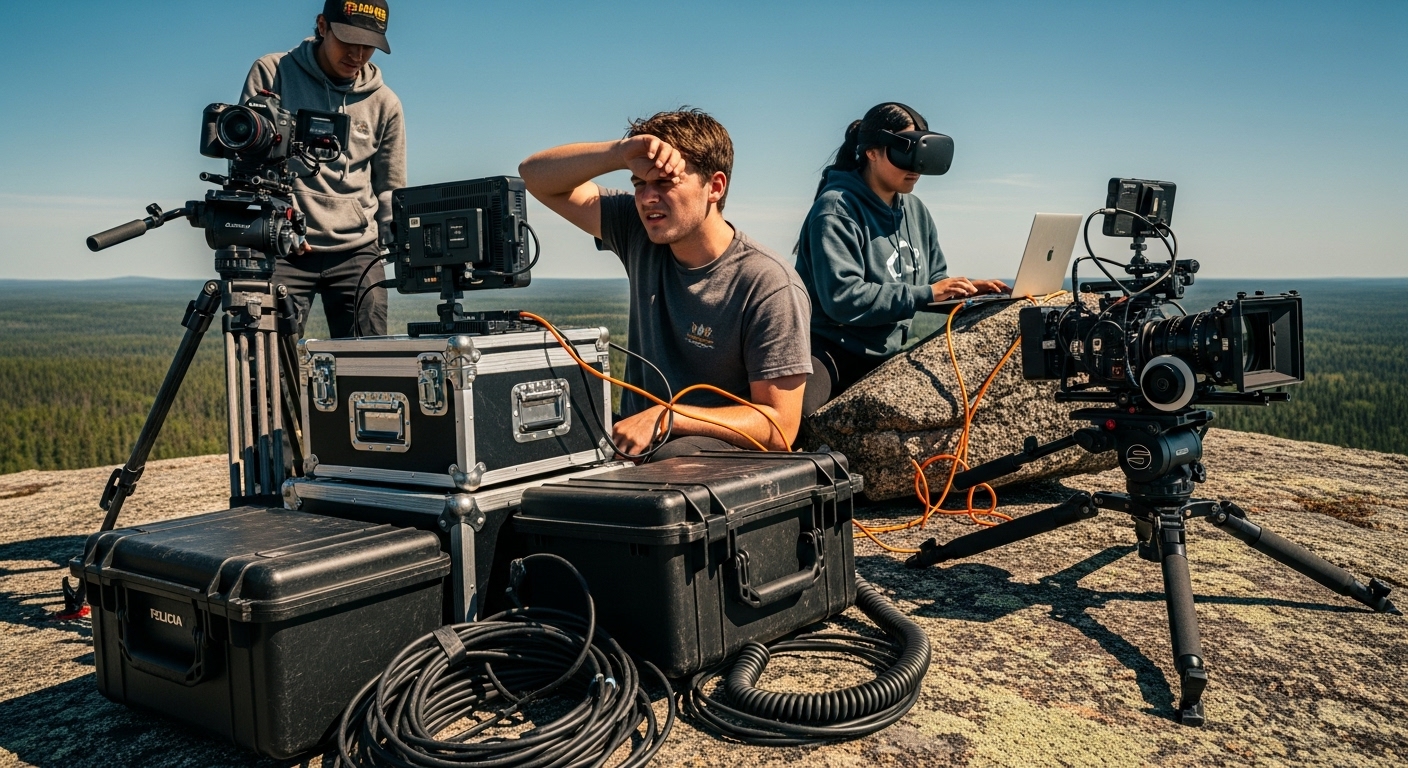
Three friends haul heavy camera equipment up a steep granite outcrop in the heat of a Northwestern Ontario summer, intending to film a message for their collaborators in China.
By Jamie F. Bell
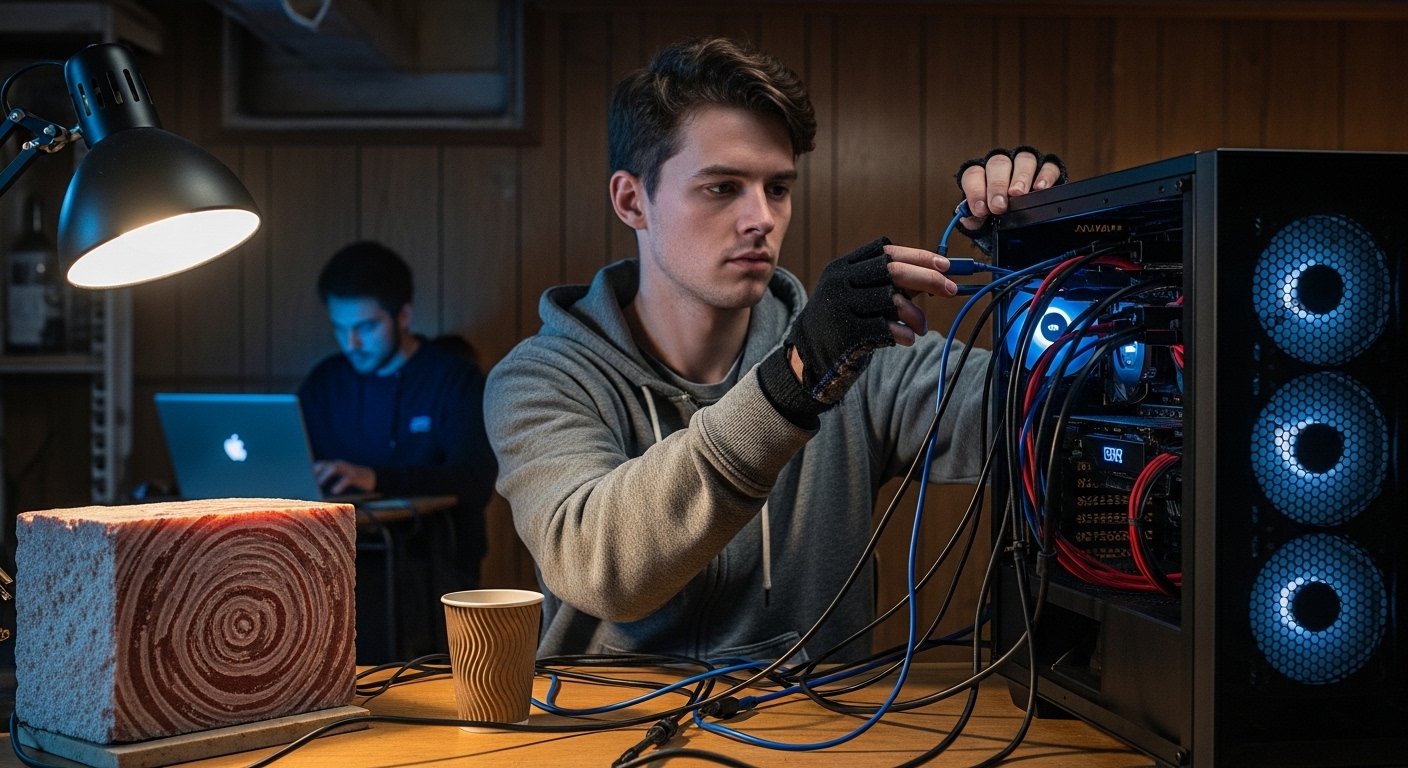
A cluttered, repurposed room in a community centre near Borups Corners, filled with the hum of computer fans and the smell of stale coffee and fall dampness.

By Jamie F. Bell
A suffocatingly hot attic in mid-July, filled with the debris of decades. The air smells of baked insulation and old cardboard.
By Tony Eetak
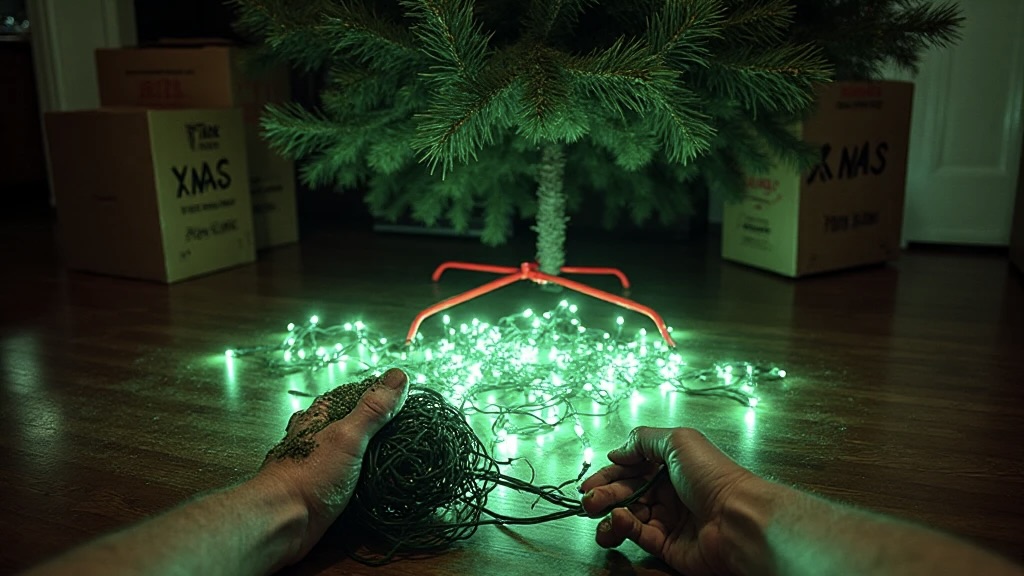
A living room in late November, besieged by the elements of a premature Christmas. Outside, the autumn wind howls; inside, a man battles a tree.

By Jamie F. Bell
Ben, a man in his seventies, struggles to assemble a fake Christmas tree in his living room on a rainy April afternoon, while his adult son watches with growing concern.

By Eva Suluk
The server room, usually a sterile, hushed space, vibrated with a low, rhythmic hum that was almost a comfort in the deep winter cold. Outside, the world was a dull expanse of grey snow and bare branches, but inside, against the pale green glow of status lights, Unit 734 and Unit 902 were meticulously weaving the data threads of Melgund Township’s past year into a comprehensive tapestry. Kyle, the community coordinator, leaned against a rack, the warmth of his chipped ceramic mug a small comfort against the chill that seemed to seep through the building's old foundations. He watched the bots' projected interfaces dance across the wall, a silent ballet of statistics and summaries.

By Tony Eetak
The community centre, usually bustling with the echoes of children and the smell of old coffee, held a different kind of quiet today. Outside, a fresh layer of snow blanketed Melgund Township, muffling the world. Inside, a low, rhythmic hum pulsed from a corner, drawing little Paul closer.
By Eva Suluk
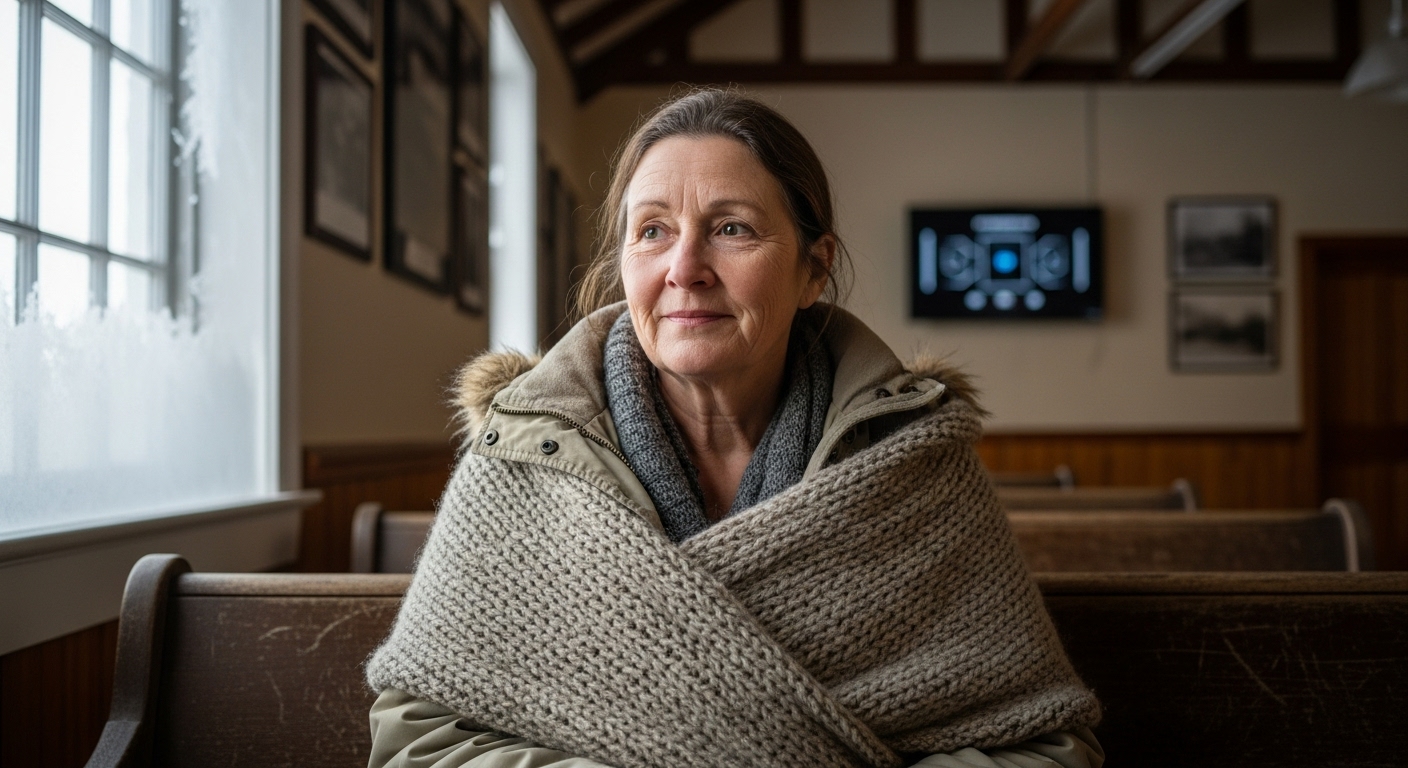
The old Melgund Community Centre always held a particular chill in January, a lingering dampness that no amount of heating oil could truly banish. Edna, pulling her wool scarf tighter, shuffled through the main hall, her breath misting slightly. But today, the usual quiet hum of the furnace was accompanied by a different sound: a steady, almost companionable murmur from the main console near the kitchen entrance, where the community’s two resident AI systems, lovingly nicknamed 'Mellie' and 'Gundy' by the local kids, were in one of their programmed 'review' cycles.

By Tony Eetak
The community centre held that particular scent of old wood polish mixed with something vaguely institutional, like weak coffee and dried-out hand sanitizer. Outside, the world was a crisp, biting white, snow clinging to every branch and fence post, but inside, a single, high-pitched hum cut through the quiet, a sound barely audible, yet insistent. It came from the two small, smooth devices resting on the long, scarred table in the corner, objects of endless fascination and slight bewilderment.

By Jamie F. Bell
The air in Seminar Room 3.2 was thick with the scent of lukewarm coffee and the subtle, metallic tang of an old radiator struggling against the late autumn chill. Outside, a light, insistent rain streaked the windowpanes, blurring the already grey cityscape into an Impressionistic wash. Inside, the hum of the fluorescent lights competed with the low murmur of anticipation, a prelude to the usual intellectual sparring.
By Jamie F. Bell
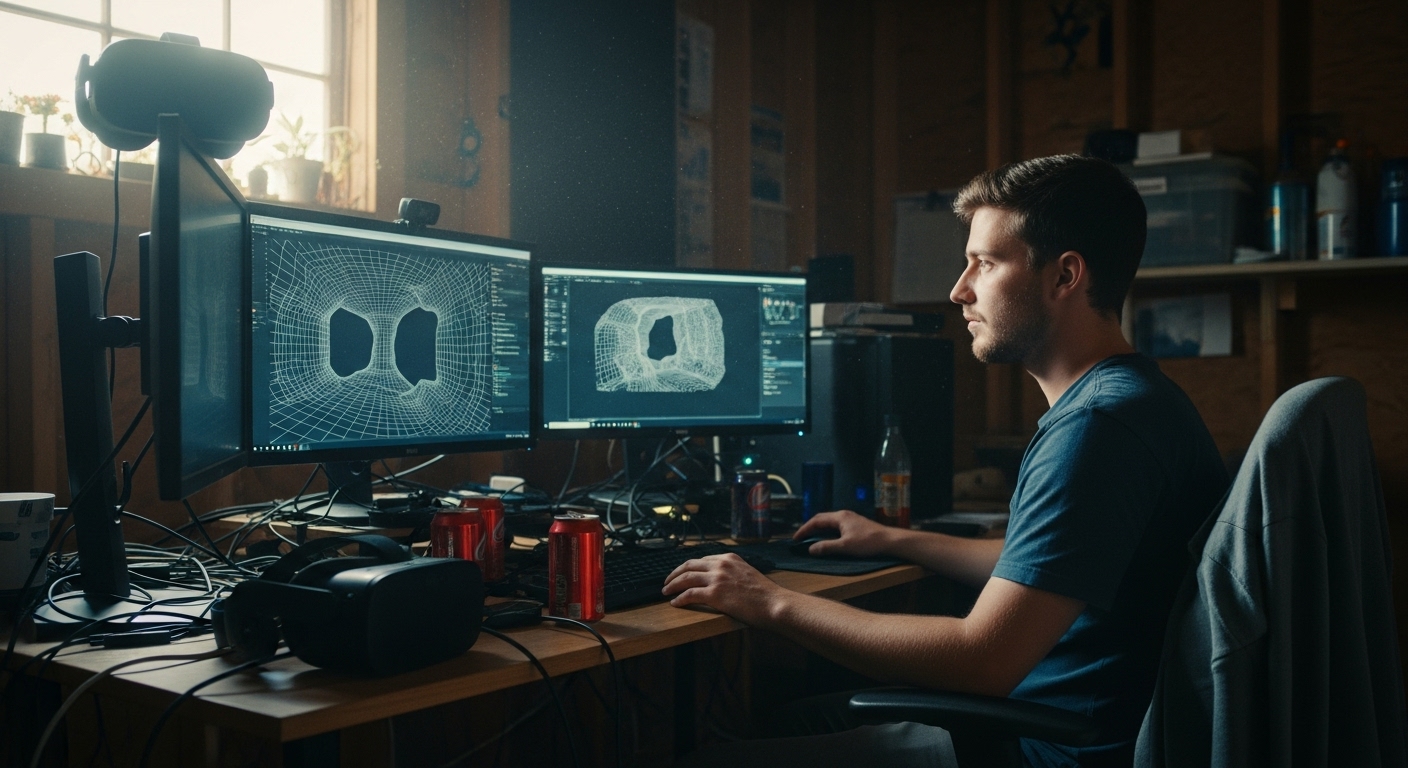
A sweltering afternoon in a converted garage in Northwestern Ontario, where the hum of computer fans competes with the buzzing of cicadas outside.

By Jamie F. Bell
The crisp bite of late autumn air gnawed at Lennie's exposed ears, slicing through the thin fabric of his hoodie as he navigated the damp, leaf-strewn pavements of downtown. Streetlights cast long, distorted shadows that danced ahead of him, making familiar buildings feel like looming, unfamiliar giants. The distant wail of a siren, a threadbare sound swallowed by the vastness of the city night, pulled at something tight in his small chest, an unacknowledged knot of both fear and curious anticipation.
By Jamie F. Bell
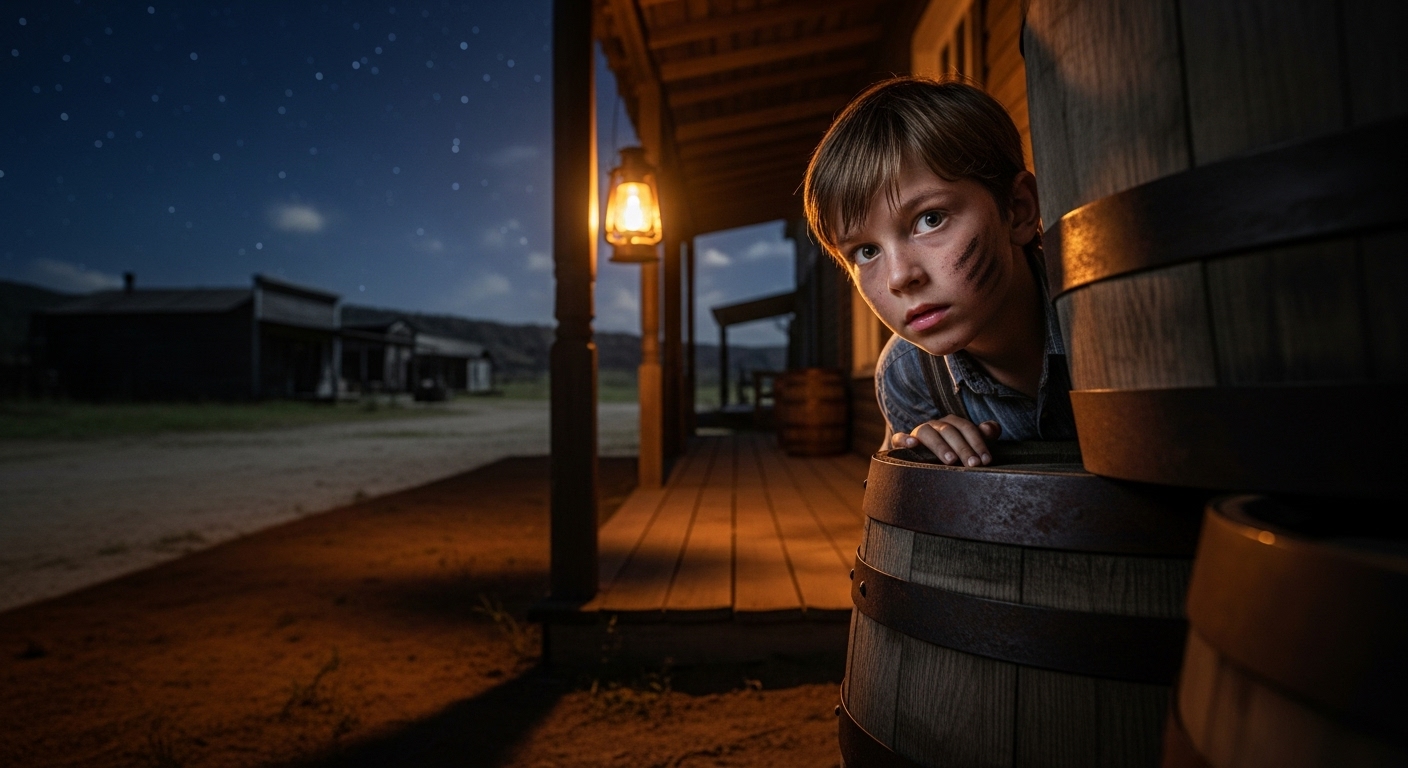
The oppressive heat of a late summer day lingered, trapping itself within the wooden walls of the small cabin. Outside, the dust held the last faint warmth, and the air hung heavy and still, smelling faintly of dry earth and distant sagebrush. A single, battered lantern threw a weak, flickering circle of light across the porch of the general store, outlining the worn planks and the heavy silence of the frontier night.
By Jamie F. Bell
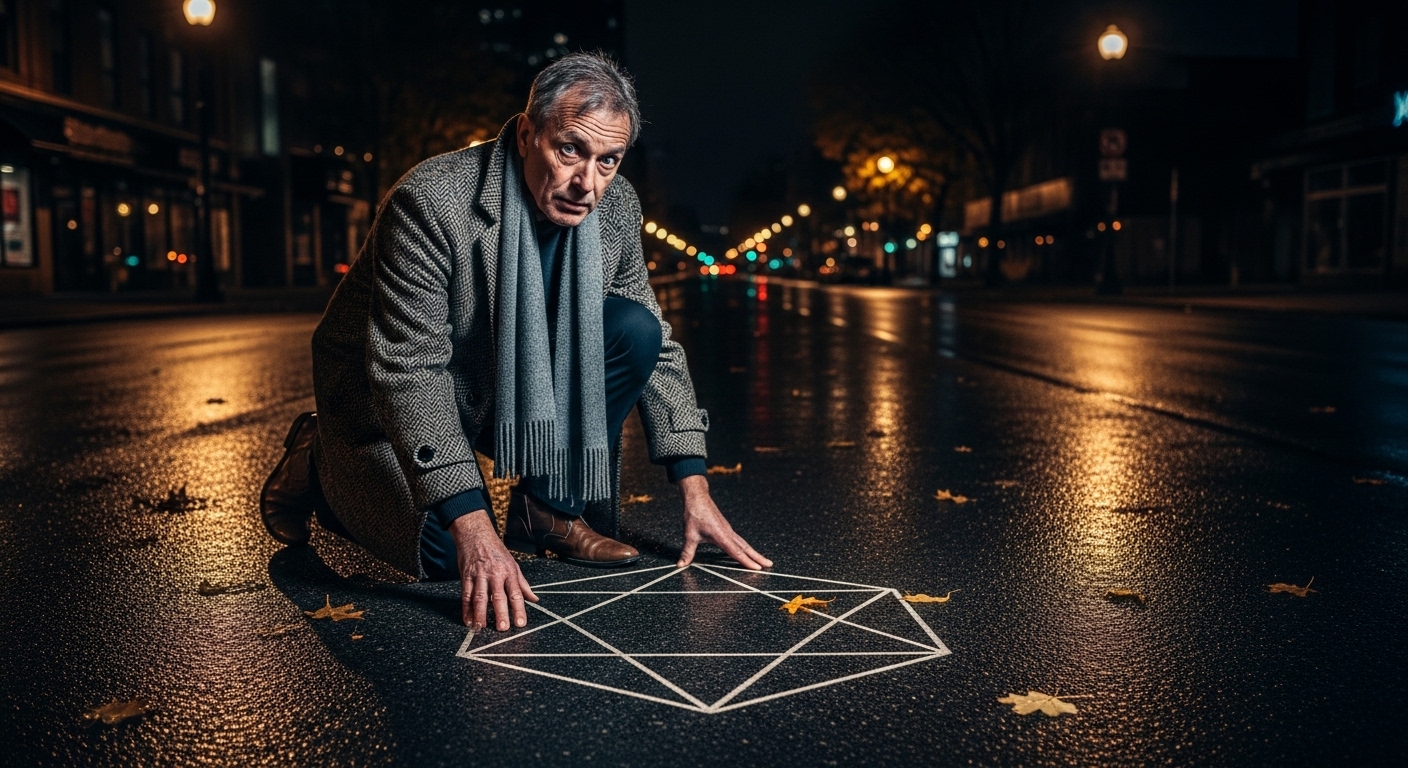
The wind carried the scent of damp leaves and impending snow, a familiar late-autumn perfume in Winnipeg. Andrew, a man whose wrinkles seemed less from age and more from years of relentless scrutiny, pulled his woolen scarf tighter. The neon glow of Portage Avenue bled into the historical brickwork of the Exchange District, painting the wet pavement in streaky, artificial colours. His boots crunched on fallen ash leaves, a comforting, solitary rhythm that had defined his evenings since Eleanor passed, five years prior.
By Tony Eetak
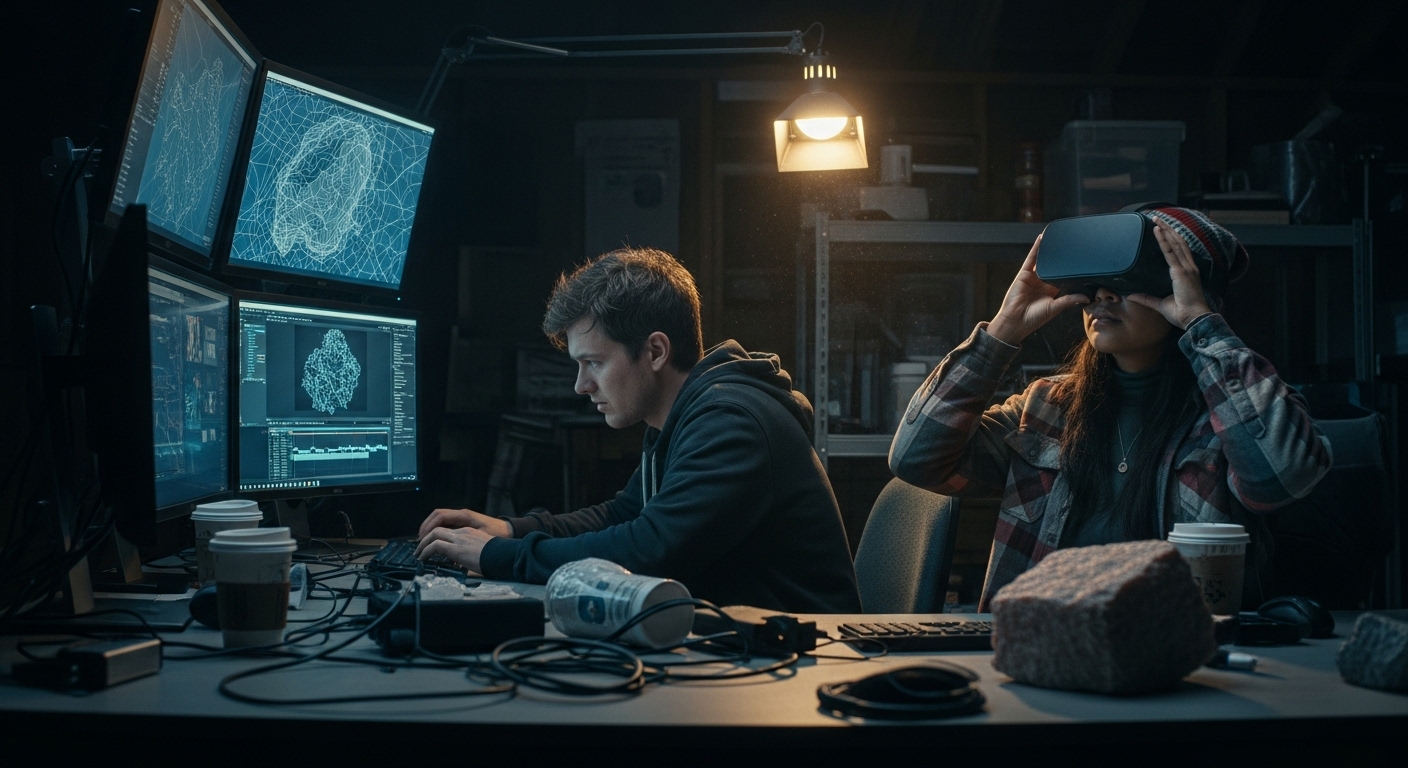
A freezing garage in Northern Ontario turned into a high-tech editing suite, filled with the hum of overworked computers and the smell of stale coffee.

By Jamie F. Bell
The air hung heavy with the cloying sweetness of gingerbread and the sharper, metallic tang of the cold outside, seeping in through the old window frames. Snow, fine as icing sugar, dusted the sill, blurring the sharp edges of the neighbouring houses. Inside, the fairy lights on the artificial tree pulsed a sickly yellow, casting long, wavering shadows across the floral wallpaper, making the familiar living room feel like a stranger's house. A faint, almost imperceptible hum emanated from the refrigerator in the kitchen, a low thrum beneath the forced cheer of piped-in carols, a sound Simon had only just started to notice, a constant, low-frequency anxiety.

By Jamie F. Bell
The world outside Mira's window transforms overnight, blanketed in an unexpected, pristine snow. The silence it brings is profound, settling not just on the eaves and branches, but deep into the quiet corners of her apartment, stirring echoes of a winter past and a loss still felt.

By Jamie F. Bell
The first snowfall of winter descends upon the town, muffling sounds and softening edges. A single figure, Johannes, stands by a frost-kissed window, the quiet hum of an old refrigerator the only other sound. The world outside transforms, but the world within remains stubbornly, painfully clear.

By Jamie F. Bell
The arrival of winter's first snowfall wraps Declan's isolated old house in a profound silence, a stark backdrop to his internal turmoil as he prepares hot chocolate, a once comforting ritual now steeped in the melancholic reflections of a past decision and its painful aftermath.

By Jamie F. Bell
The city awakens beneath a silent, insistent descent of snow. A hush falls, muting the usual urban clamour, drawing the world inwards. Inside, the quiet hum of an old refrigerator is the only sound breaking a young man's vigil by the window, a steaming mug warming his hands against the chill.

By Tony Eetak
The team struggles with equipment failure in the freezing autumn air of the Revell site before retreating to their workshop to discover a surprising connection with a university in China.
By Jamie F. Bell
This part of the city doesn’t have the curated history of the Exchange. This is where the past hasn't been sandblasted and repurposed for loft apartments. The ghost signs on Sargent Avenue are for bakeries run by families whose names I can’t pronounce, for delis that sold pickles out of a barrel, for little cinemas with sticky floors. It feels more honest, somehow. Less like a museum piece and more like a well-read book with a broken spine.

By Jamie F. Bell
Dusk is the city’s magic trick. The hard edges of the day soften, the overbearing sun gives way to a bruised purple sky, and for a few minutes, everything holds its breath. The ghost signs perform their final act, fading back into the brick they came from. They were here, they whisper, and now they are not. It makes me think about the line between being a memory and just being forgotten. A fine line. A terrifying one.

By Jamie F. Bell
Leo sees letters; I see ghosts. That's the main difference between us. He'll stand there, neck craned, analysing the font on some faded ad for cough syrup, and I'll be picturing the person who bought it. The mother with a sick kid, the guy with a winter cold in the dead of July, all walking under this same unrelenting sun, on this same stretch of Osborne Street, just a hundred years removed. The past feels thin here, like old paper you could poke a finger through.

By Jamie F. Bell
It's not the heat that gets you, it's the history. That’s what I’m thinking, anyway. Every brick in this part of Winnipeg feels like it’s been baking since 1912, soaking up a century of summer afternoons and radiating it back at us. It’s a physical weight. Leaf, of course, seems immune, her beat-up Blundstones practically skipping over the cracked pavement of the alley.

By Jamie F. Bell
My mind, always a cluttered attic, rifled through memories of past bus stop encounters. Usually, it was the briefest of nods, perhaps a shared sigh about the weather, then the mechanical groan of an arriving bus would disperse the moment. Today, however, the air was thick with something else. It clung to the thin, almost transparent man perched on the far end of the bench, draped in a moth-eaten scarf that seemed to carry the weight of decades. The sun, a pale, indifferent disc, struggled to break through the perpetual haze that hung over the industrial park we bordered. The scent of ozone from the nearby power station hummed under the usual exhaust fumes, a metallic tang on the back of the tongue. Every now and then, a gust of wind would whip past, tugging at the man’s scarf, as if trying to unravel his story.
By Eva Suluk
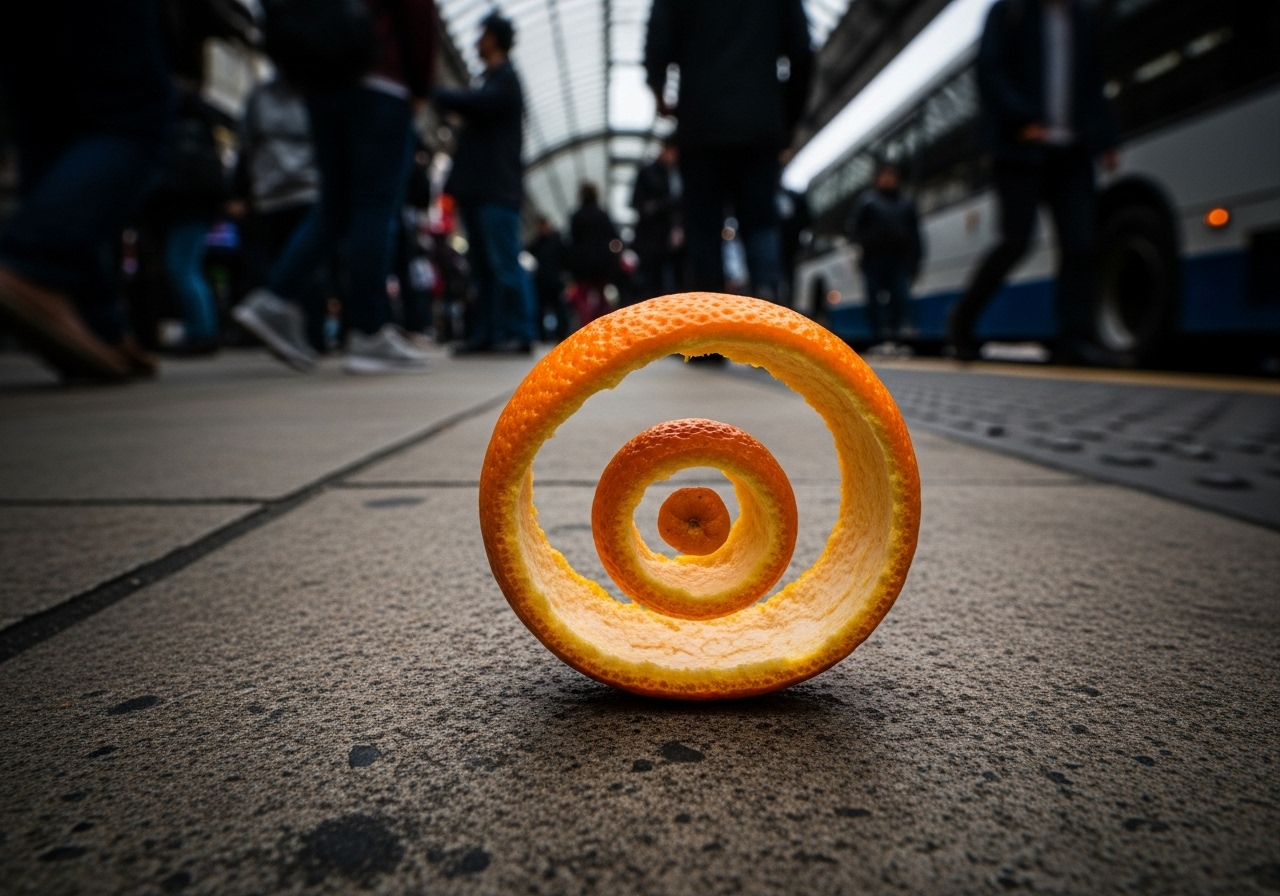
My mind, an overeager detective, always searched for patterns where none existed. Today, the puzzle presented itself in the form of an orange peel. Not just any orange peel, but one peeled with a meticulous, almost surgical precision, forming a perfect spiral on the gritty concrete beside the bench. It was out of place amidst the usual detritus of bus stops – stray tickets, damp flyers, discarded coffee cups. This was the city’s central interchange, a churning vortex of human motion and diesel fumes. The air hung heavy with the smell of exhaust, mingled with the faint, sweet ghost of frying onions from the nearby kebab van. Sunlight, a thin, watery presence, struggled to penetrate the glass canopy overhead, casting weak, elongated shadows that danced with every passing bus. A constant, low thrum of engines vibrated through the pavement, a persistent reminder of the city's pulse.
By Jamie F. Bell
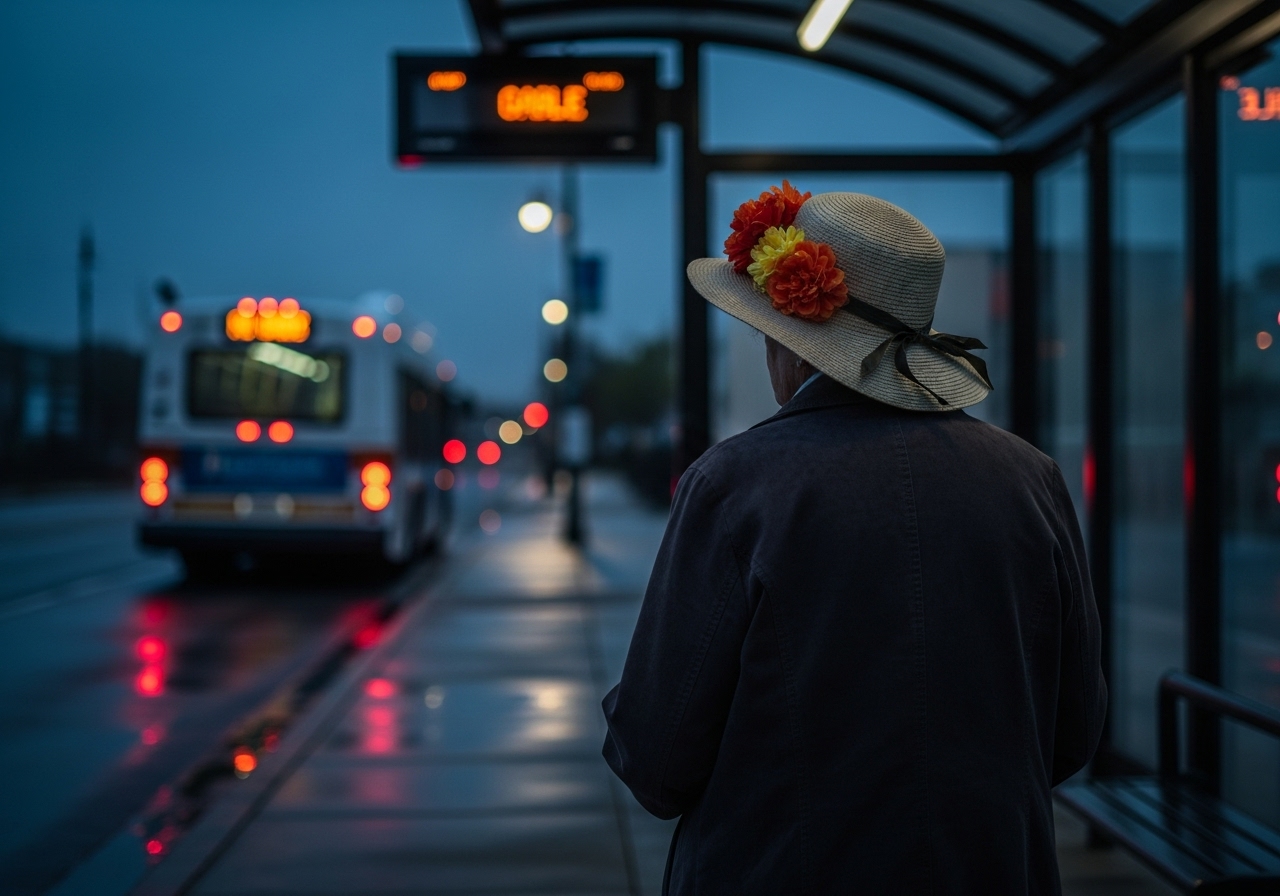
My mind, an old ticker-tape machine, whirred, tallying the minutes. Twenty-three past. Always twenty-three past for the Number Seven. The digital clock above the bus shelter's chipped plastic bench, however, insisted it was only twenty past. A three-minute discrepancy. Small, but enough to set the teeth on edge, especially when you lived by the rhythm of transit schedules. The air still held the day's stale heat, a memory of a sun that had long since dipped behind the low-slung, identical brick apartments across the street. A lone pigeon, bold and entitled, pecked at a discarded crisp packet near the curb, its movements sharp, almost accusatory.

By Eva Suluk
Andrew, a man in his late thirties, is commuting home through a frigid, darkening city in early 2025. The air is thick with the promise of more snow. His usual route is fraught with minor acts of hostility and disengagement, each chipping away at his sense of well-being. He carries a dull weight of anxiety, a constant companion in this new, colder world.

By Jamie F. Bell
I don't have a history like this. My family tree is more of a shrub, patchy and prone to dropping leaves unexpectedly. We don't have deep roots; we have shallow, tangled ones that we packed up and moved every few years. So walking through St. Boniface feels like visiting another planet. Here, history isn't just in a museum; it's in the street names, the French on the ghost signs, the heavy stone of the cathedral that burned but refused to fall. It’s in the air.
By Tony Eetak
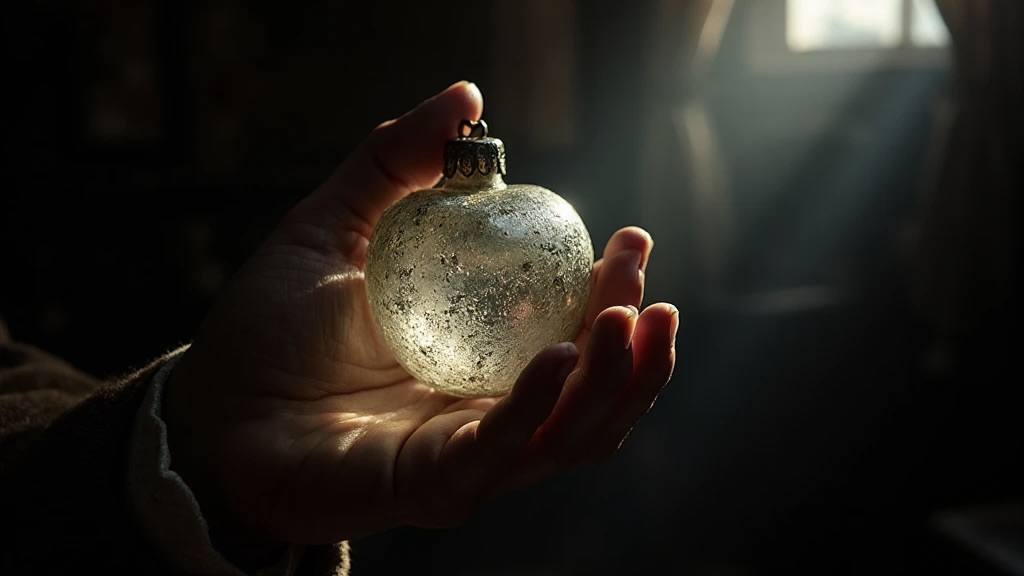
Andrew discovers a disturbance in his quiet home—a misplaced Christmas ornament that triggers a surreal deviation from the season.