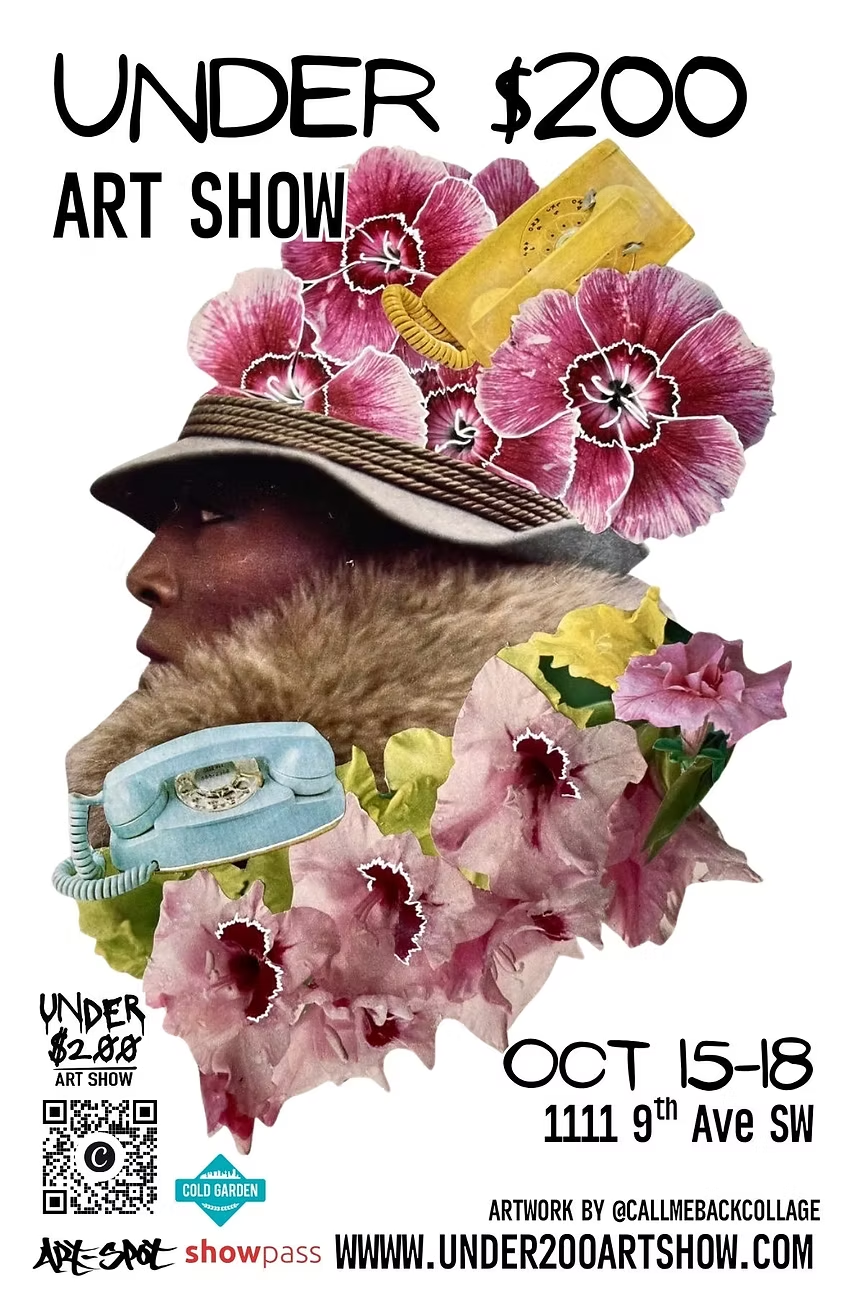
Cool new chapters from Spring Short Stories
We’re so happy to share these spring short stories from our ongoing creative arts, seasonal storytelling, and AI research initiative. This project was built to be experimental and playful, giving us a chance to focus on learning and curiosity while building our digital literacy through these narratives. It’s been a fun way to see how the change in weather can spark new ideas and help us grow as creators.
These stories really support our goals in storytelling, scriptwriting, and developing creative talent by focusing on how technology can help us capture the feeling of spring in urban environments. We paid special attention to the unique experiences of Northern cities as they wake up from winter, making sure to keep things exploratory and experimental. It’s all about trying out new ways to share the fleeting moments that define the season in the city.
Today’s Spring Short Stories
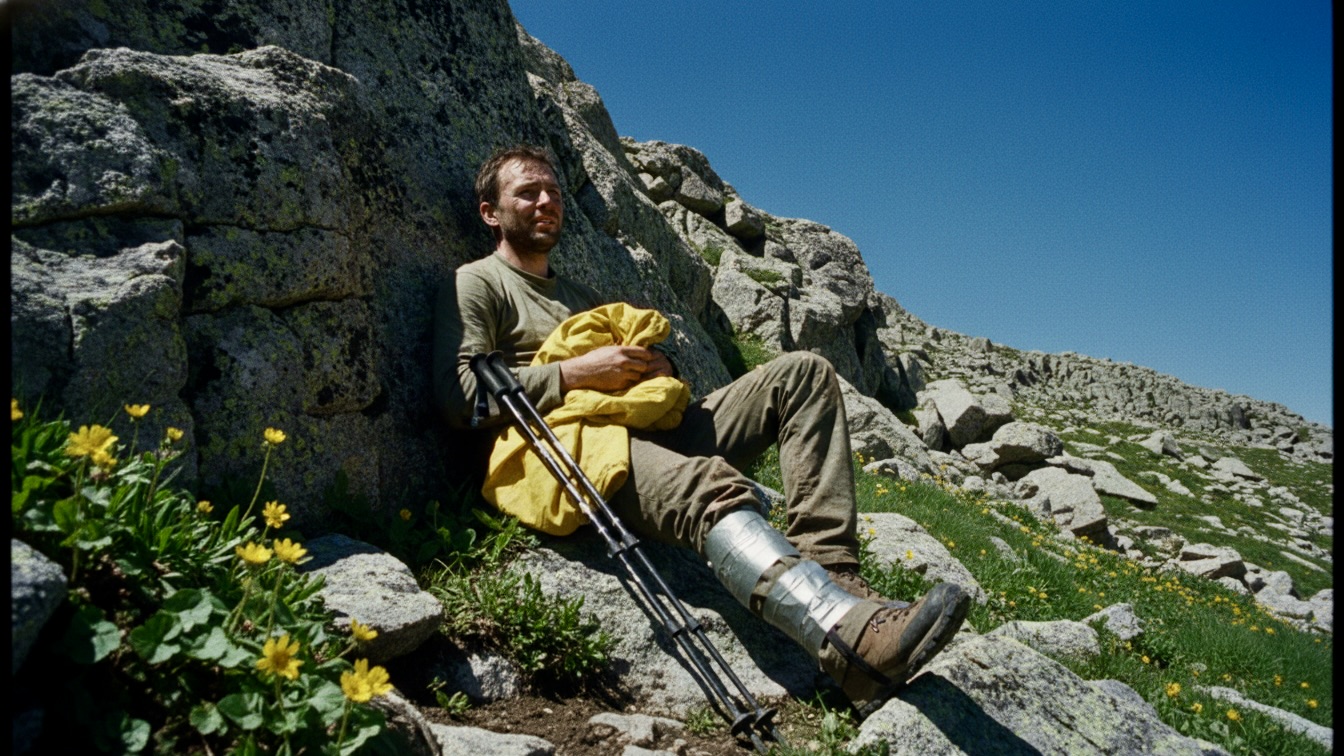
Fracture Ridge
Author: Jamie F. Bell | Category: Adventure | Genre: Psychological
A grieving developer survives a rockslide, splints his leg, and argues with his dead husband’s ghost.
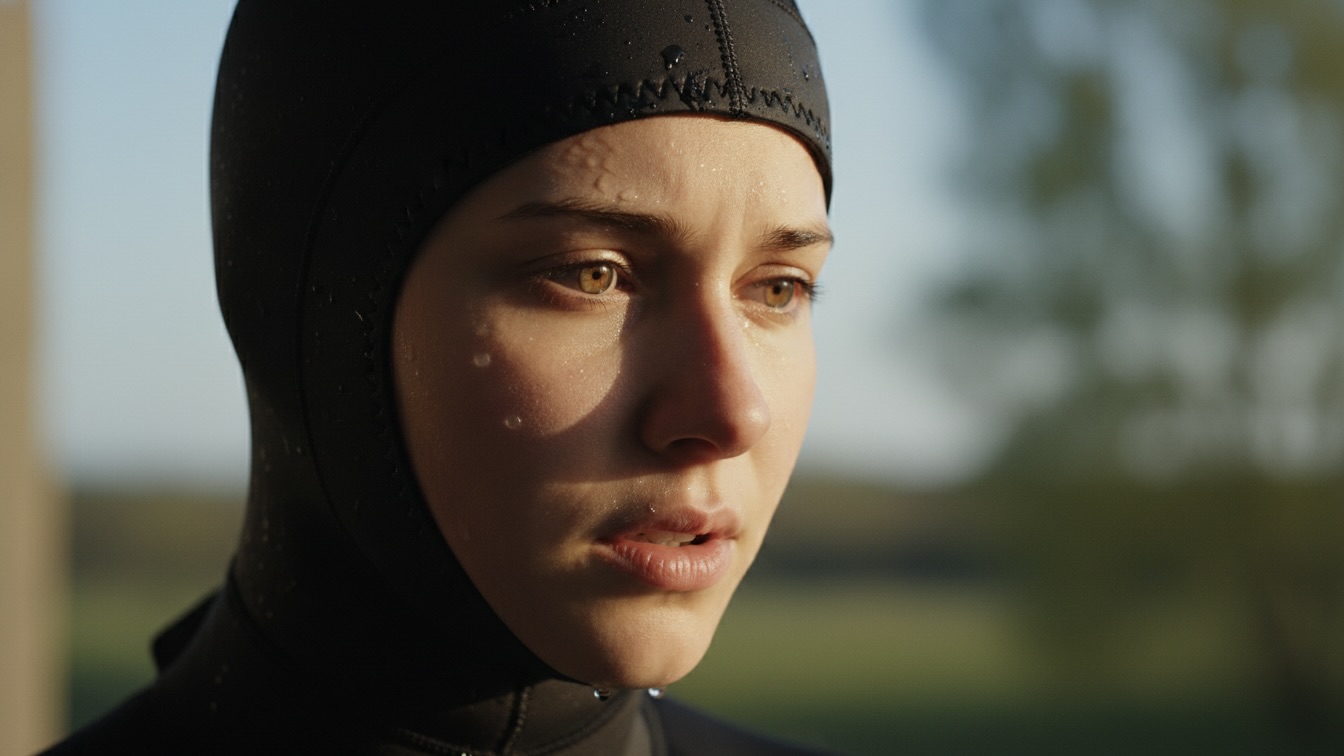
Yellow Pollen
Author: Eva Suluk | Category: Inspirational | Genre: Horror
A freediver hides her chronic flare-up to attempt a record descent, finding something hungry waiting in the dark.
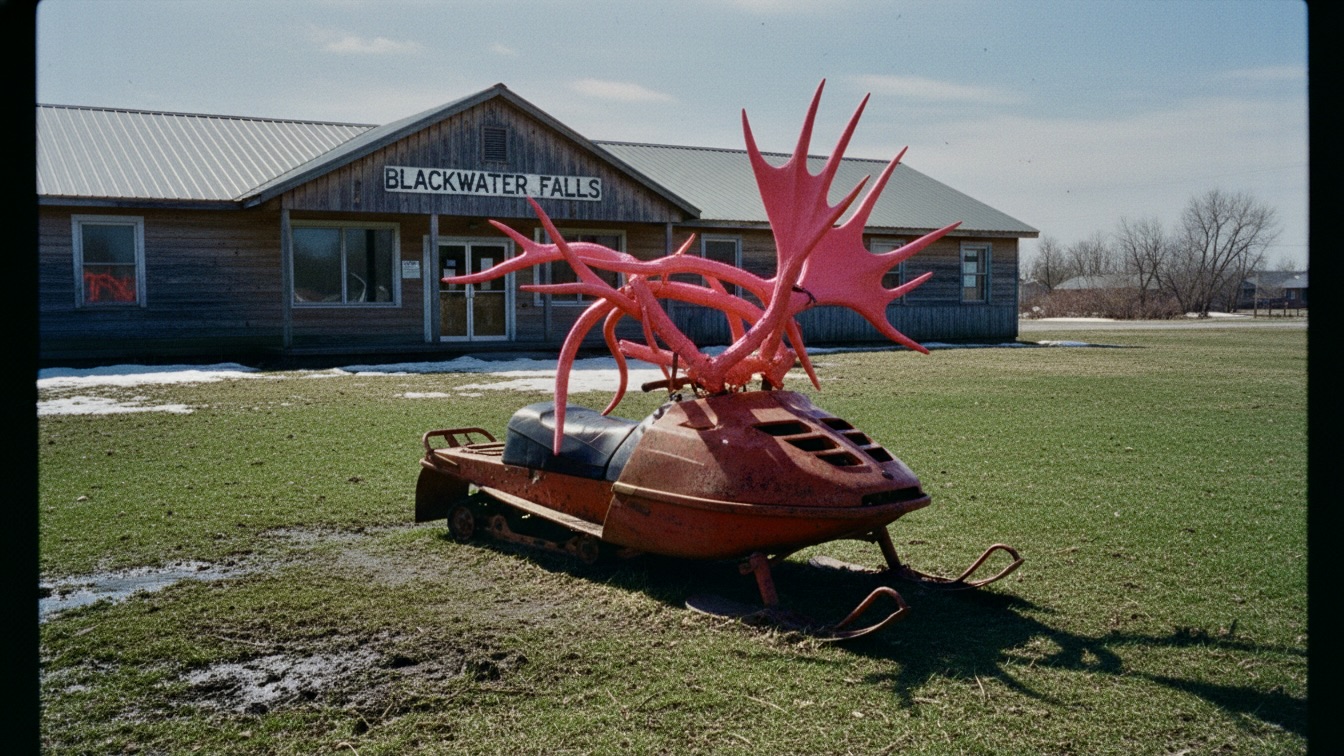
Neon Pink Antlers
Author: Jamie F. Bell | Category: Mystery | Genre: Literary Fiction
Stacey and Steve try to organize an art show, but a phantom welder steals the spotlight.

Black Mold-Suburbia
Author: Eva Suluk | Category: Literary Fiction | Genre: Horror
The unspoken grief of a young couple manifests as a toxic black fungus that consumes their automated house.
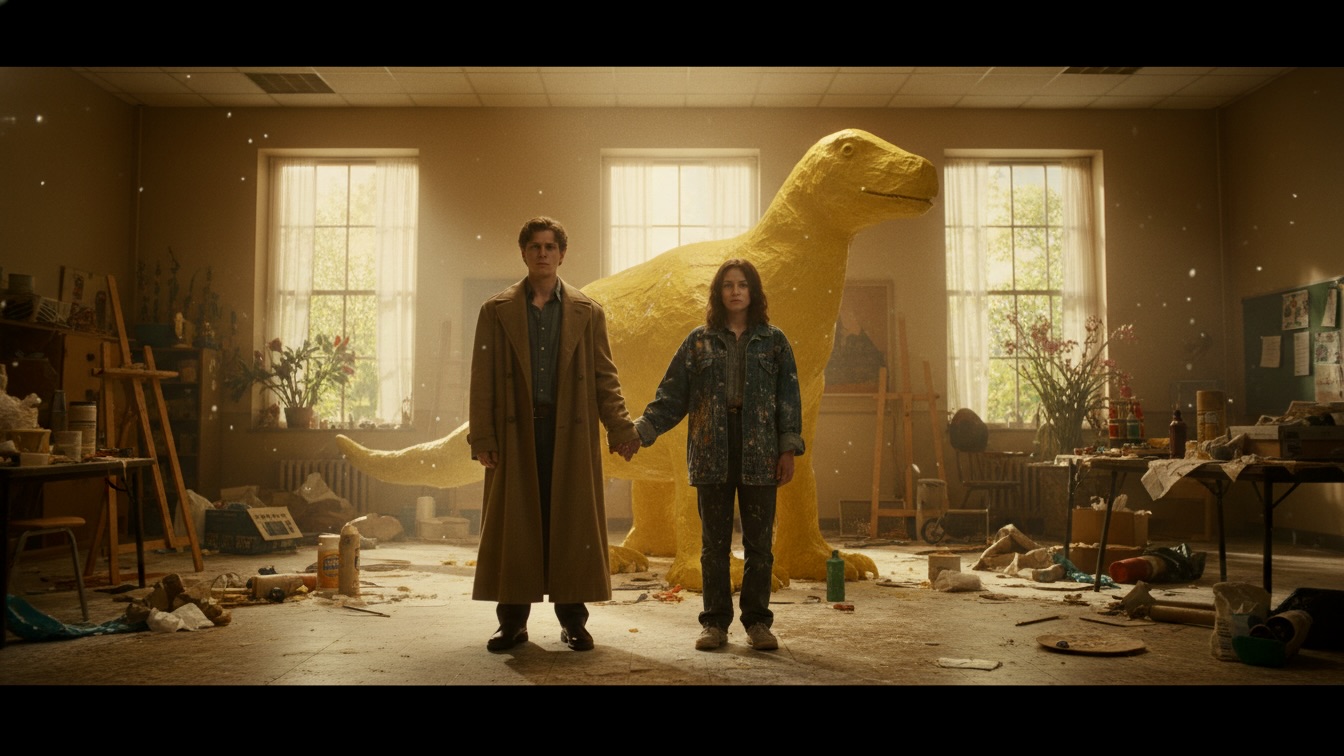
The Sunday Comics
Author: Tony Eetak | Category: Romance | Genre: Literary Fiction
To scam a city grant, a pretentious artist and a cynical teen fake a heavily documented public romance.
Design Notes and Applied Research
This daily collection integrates complex genres like psychological horror and literary fiction with diverse subjects ranging from adventure to romance. By navigating these varied narrative frameworks, we have effectively explored the intersection of creative storytelling and digital literacy for the arts. Managing such a broad spectrum of information allowed us to refine our technical workflows and enhance our professional skill sets. This approach ensures that our creative output remains both versatile and aligned with modern digital standards.
This spring-themed initiative served as a rewarding interdisciplinary project that bridged the gap between traditional creative writing and modern information management. The collaborative process provided invaluable insights into how structured data can enhance the depth and reach of literary exploration. We found the experience both professionally enriching and personally engaging as we synthesized disparate themes into a cohesive daily volume. Ultimately, this project has strengthened our commitment to innovative communication and the continued evolution of our artistic practices.