Milkweed to Market
From wild plant to community value—ecology, learning, and livelihood in Northwestern Ontario.
Project Overview
Milkweed to Market is a community-driven recreation program that fuses community garden, park, and greenspace development with active living. Inspired by the urgent need to better understand the habitats of monarch butterflies, we are exploring the ecological and economic potential of the native milkweed plant in Melgund Township, Northwestern Ontario.
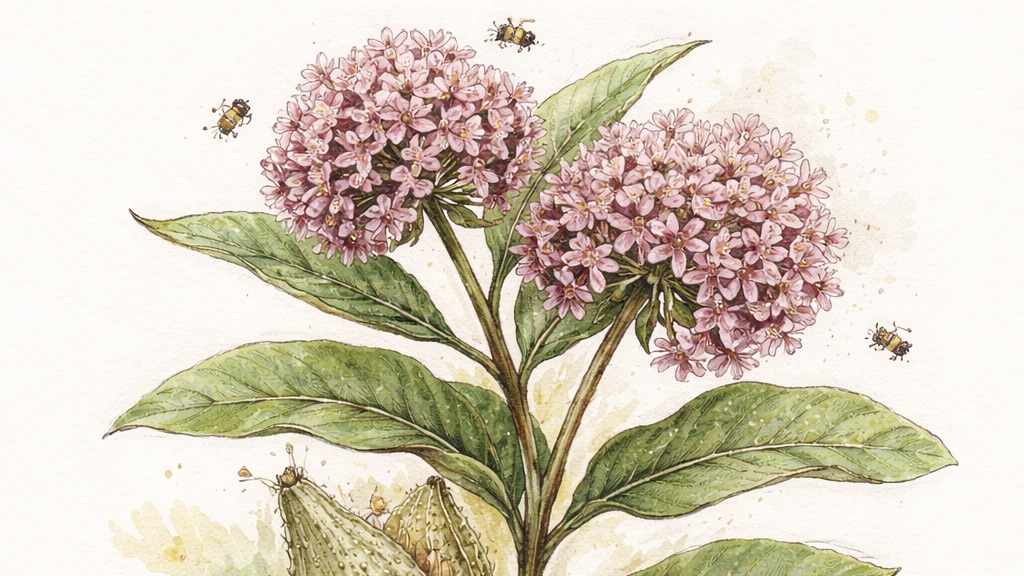
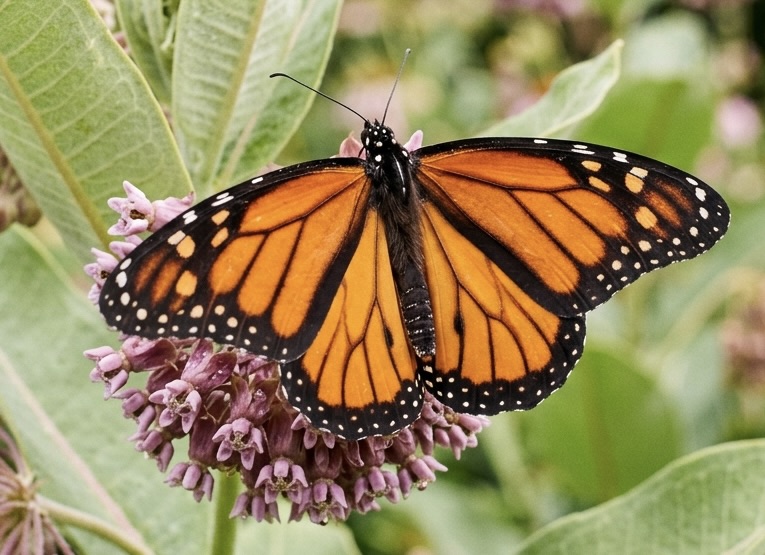
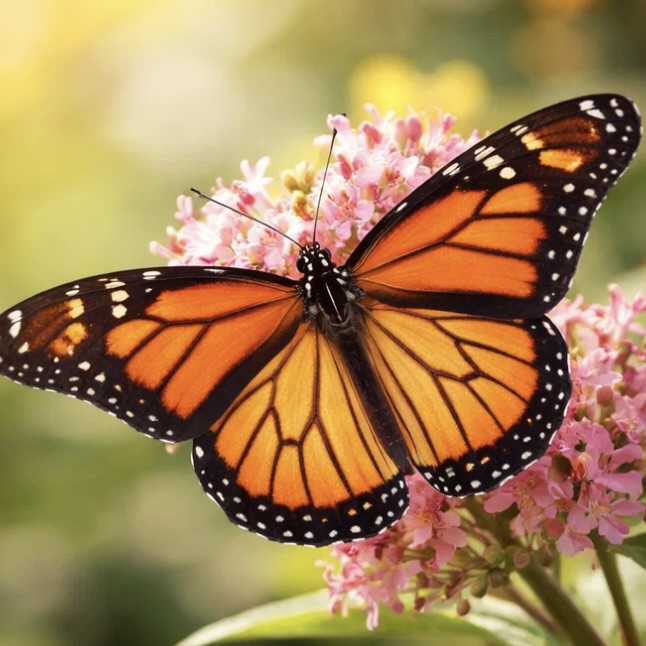
Milkweed is essential. It is the sole host plant for the Monarch butterfly, meaning it is essential for their life cycle. Without it, monarch reproduction cannot occur. By fostering a deeper understanding of milkweed, we aim to encourage its growth and protect these fragile ecosystems.
Instead of treating ecology, art, and community development as separate areas, this project brings them together through a simple, seasonal cycle: planting milkweed, harvesting it, turning it into paper, and creating products for local sale.

Why Milkweed Matters
- Supports pollinators, especially monarch butterflies
- Native plant that strengthens local ecosystems
- Grows resiliently in disturbed or marginal land
- Helps restore biodiversity in urban and rural areas
- Connects people to land-based knowledge and seasons
Fascinating Milkweed Facts
Stronger Than Cotton
Milkweed floss is incredibly buoyant and warm. During WWII, it was used to stuff life jackets when kapok was unavailable. Its bast fibres (from the stem) can be spun into strong yarn or woven into fabric.
Artisanal Papermaking
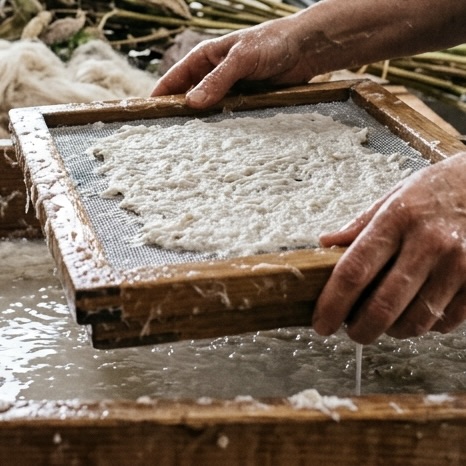
The inner bark and fibres of the milkweed stalk make excellent, high-quality paper. The process involves boiling, beating, and pulling the fibres into sheets, creating a beautiful, textured material.
Chemical Defense
Milkweed contains toxic compounds called cardenolides. Monarch caterpillars eat the leaves and store these toxins, making themselves (and the adult butterflies they become) poisonous to most predators.
The Seasonal Cycle 🌾
Connecting habitat restoration, hands-on learning, and small-scale creative entrepreneurship.
Phase 1: Milkweed Patches
Spring–Summer
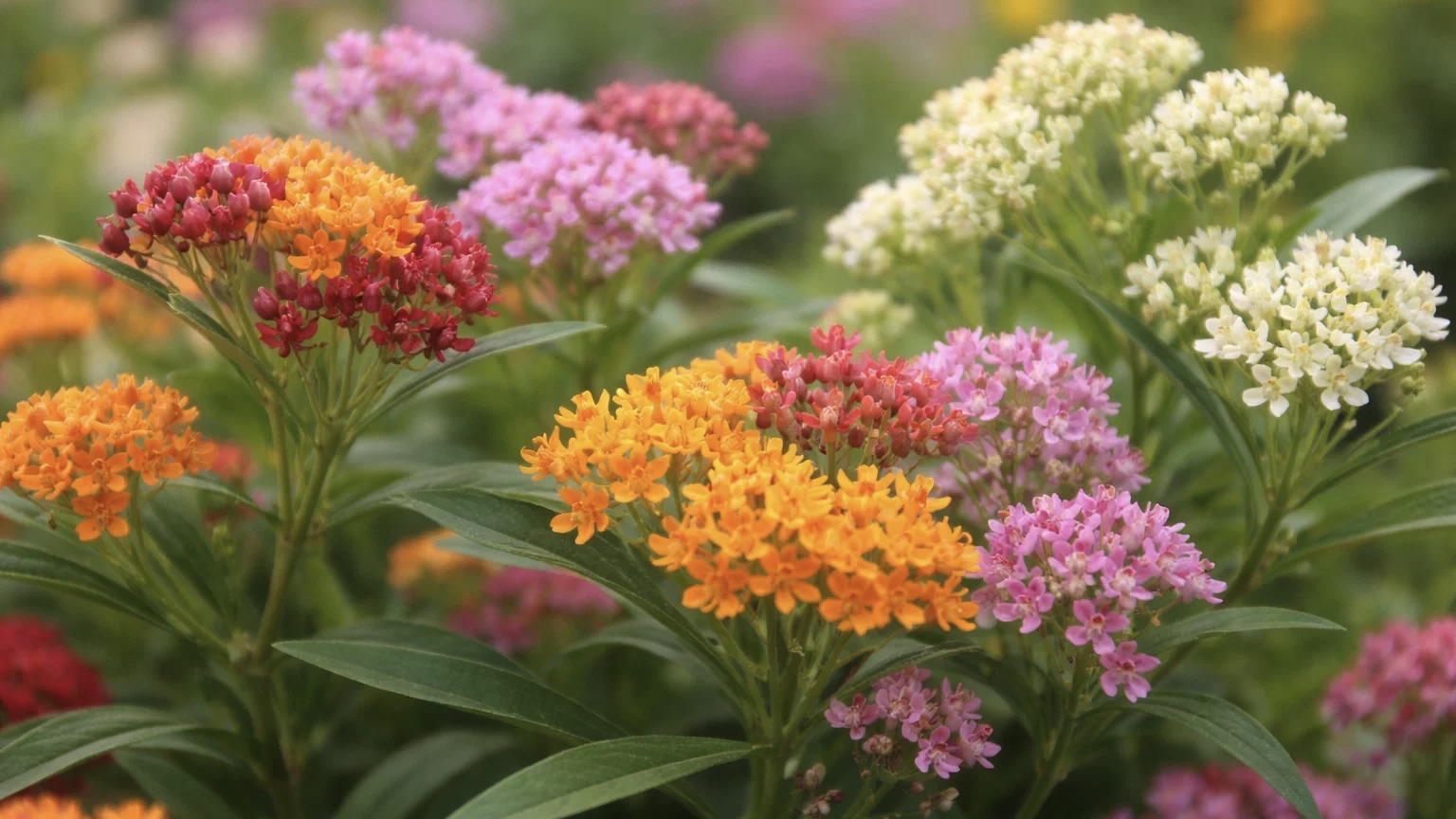
Planting milkweed along park edges and flower beds. These patches function as essential monarch habitat and informal learning spaces.
Phase 2: Papermaking
Fall
Harvesting milkweed for a community workshop. Participants learn to process plant fibres and produce handmade paper, connecting stewardship with art.
Phase 3: Enterprise
Fall–Winter
Using the handmade paper to create small products like cards for local sale, introducing basic concepts of creative entrepreneurship.
"We are transforming public spaces into living laboratories—where climate action meets arts entrepreneurship, and recreation fuels environmental sustainability."
Arts, Creative & Climate Entrepreneurship
We believe that addressing climate change requires more than just scientific data—it requires imagination, creativity, and new economic models. By blending arts and climate entrepreneurship, we empower our community to create value from sustainable practices.
- Creative Placemaking: Using art and design to transform public greenspaces into vibrant community hubs.
- Sustainable Products: Developing and marketing eco-friendly goods, like milkweed paper, to support local artisans.
- Green Economy Skills: Equipping participants with the entrepreneurial skills needed to thrive in a climate-conscious future.
Program Timeline
A three-year journey mirroring the natural growth cycle of milkweed.
Roots and Foundations
In the first year, the focus is entirely on establishment and underground growth. While the plant may only appear as a small cluster of leaves above the surface, it is busy developing a deep, resilient taproot or rhizome system. This phase is about survival and anchoring; the plant is "sleeping" above ground so it can build the energy reserves necessary to survive the winter and support future growth. We will start small, harvesting from existing local patches while our new plantings take root.
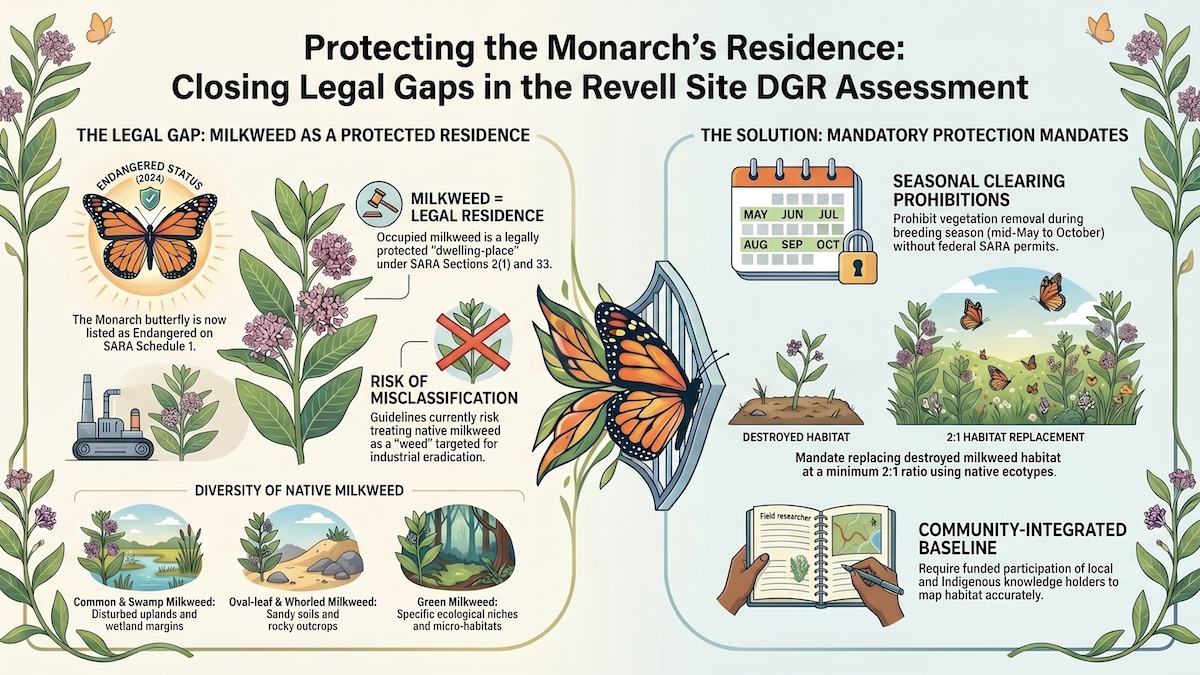
Integration of Monarch Butterfly Residence Protections into Vegetation, Wetland, and Community Collaboration Mandates
Read our formal submission to the Impact Assessment Agency of Canada (IAAC) regarding the proposed Deep Geological Repository (DGR). This document details the legal, ecological, and community-driven requirements necessary to protect Monarch Butterfly habitats. It addresses regulatory conflicts surrounding "weed" classifications, emphasizes the reliance of milkweed on wetland hydrology, and mandates that community observations be integrated into formal baseline studies and Species at Risk Act (SARA) mitigation efforts.
Read the Full SubmissionUnderstanding Impact Assessments
By grounding our work in Community-Based Participatory Research, this project transcends everyday arts, recreation and food security programming, to become a vital site of land-based learning. It dynamically equips community members with the frontline experience and environmental literacy required to critically understand, evaluate, and actively engage in complex federal impact assessment processes, empowering them to effectively map and advocate for the habitats defining our region.
Community Learning
This project serves as a living classroom, blending environmental education with land-based recreation. By participating in the seasonal cycle, community members gain practical experience in sustainable practices and arts-based creative entrepreneurship, while also building the literacy needed to understand complex environmental impact assessments.
- Environmental Education & Land-Based Recreation: Engaging youth and adults in outdoor, hands-on ecological stewardship.
- Arts-Based Creative Entrepreneurship: Transforming harvested milkweed into handmade paper and marketable artisanal products.
- Understanding Impact Assessments: Demystifying the processes behind environmental monitoring and baseline data collection.
- Sustainable Practices: Learning how local actions can support broader ecological health and biodiversity.
- Placemaking for Recreation: Supporting community park and greenspace activation through active living and placemaking by enhancing the community garden and greenspace.
Baseline Studies & Impact Assessment
This project creates an opportunity to contribute to early, community-led baseline observations related to pollinators. Current assessment work has identified significant gaps in data for terrestrial invertebrates, including monarch butterflies.
Addressing Baseline Gaps for the Revell Site DGRMelgund Township and its small communities are the closest to the proposed Deep Geological Repository (DGR). While the NWMO acknowledges the potential presence of monarchs, no dedicated field surveys have been conducted to confirm their presence or identify critical habitat.
By establishing milkweed patches in known, accessible locations, our project creates consistent sites for observation. This community-based monitoring provides grounded, site-specific data that can complement formal baseline efforts and help identify patterns that may otherwise be missed.
- Tracking plant density over time
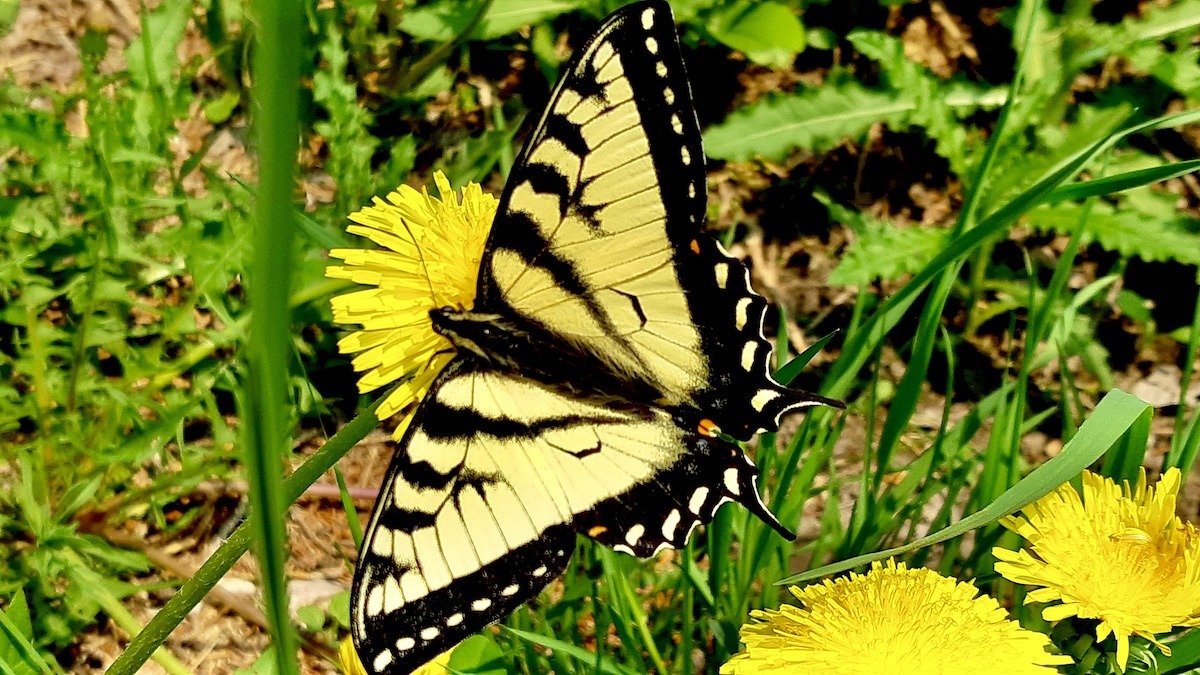
- Pollinator activity observations
- Mapping local growth areas
- Simple photo documentation of changes
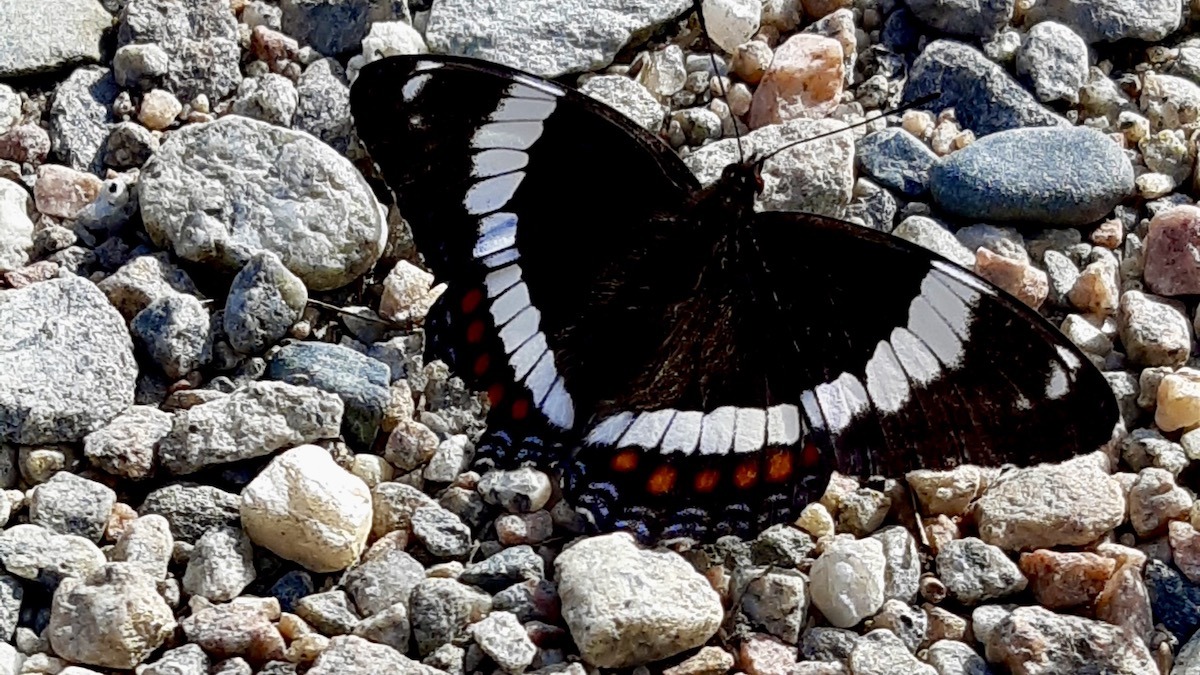
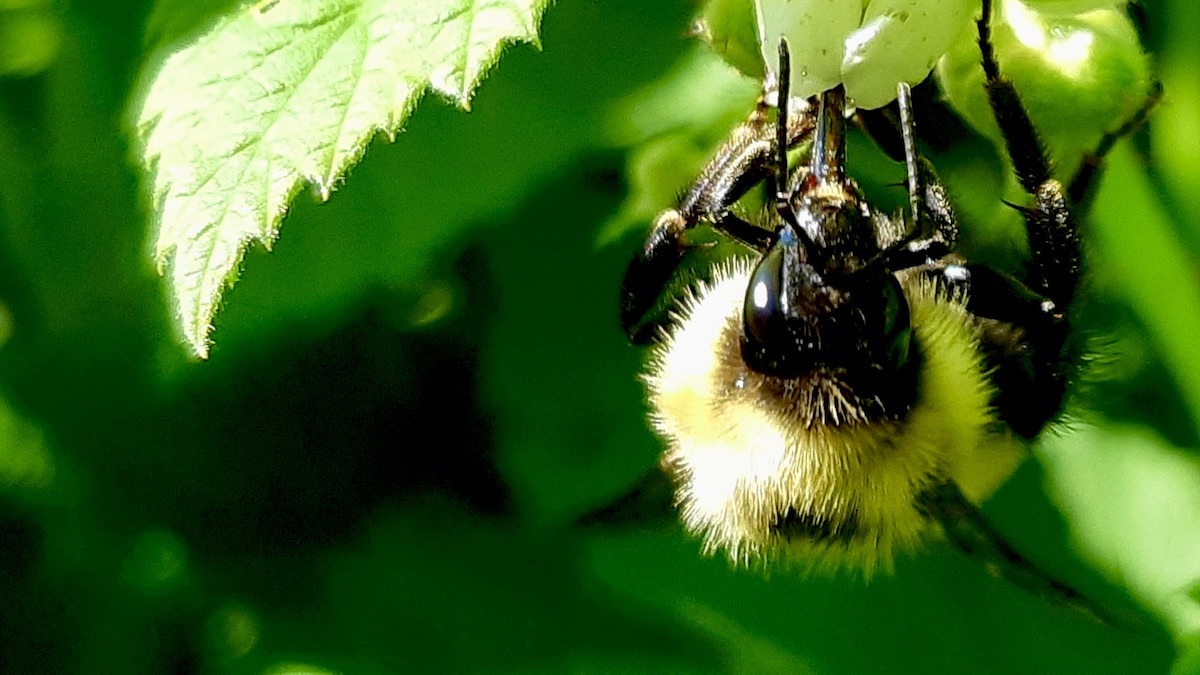
Program Activities and Events
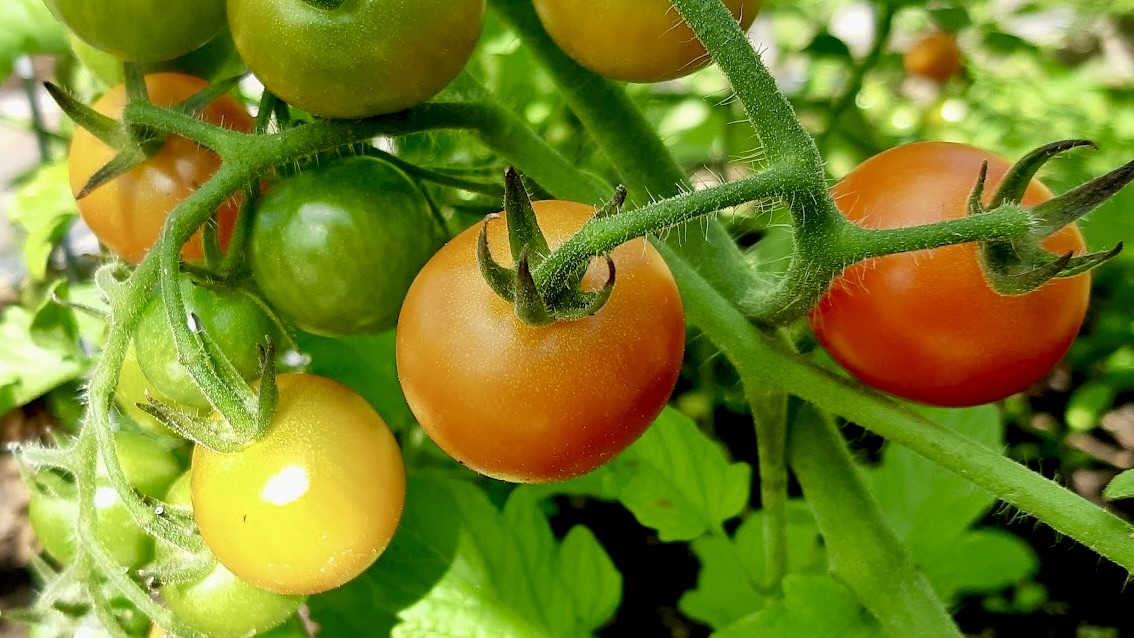
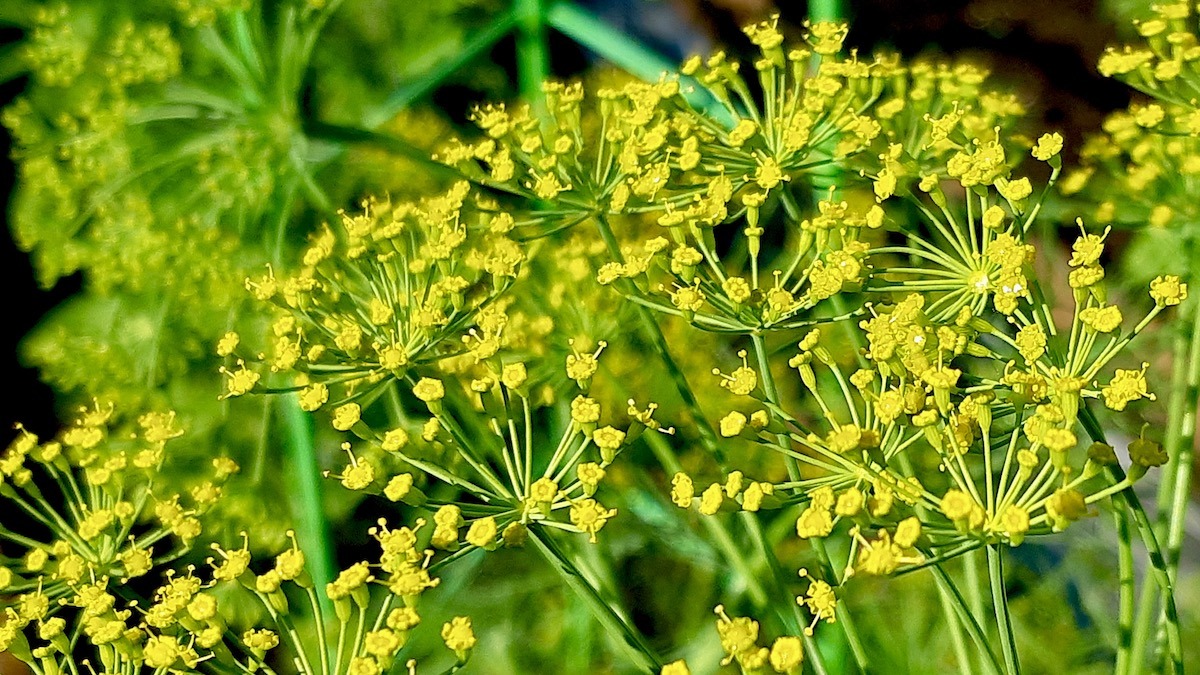
Melgund Township Community Garden
With Art Borups Corners and Melgund Recreation, Arts and Culture, we are supporting a community garden and integrating milkweed colonies into the surrounding park and greenspace.
Fall Arts Exhibition
This exciting exhibition will showcase the photography and artwork created through our spring and summer program. Join us for presentations, guest speakers, and beautiful art showing the progress of the year.
Experience the wildlife, insects, pollinators, plants, and flowers documented through our arts incubator land lab and recreational community garden programming.
Fall Farmer's Market
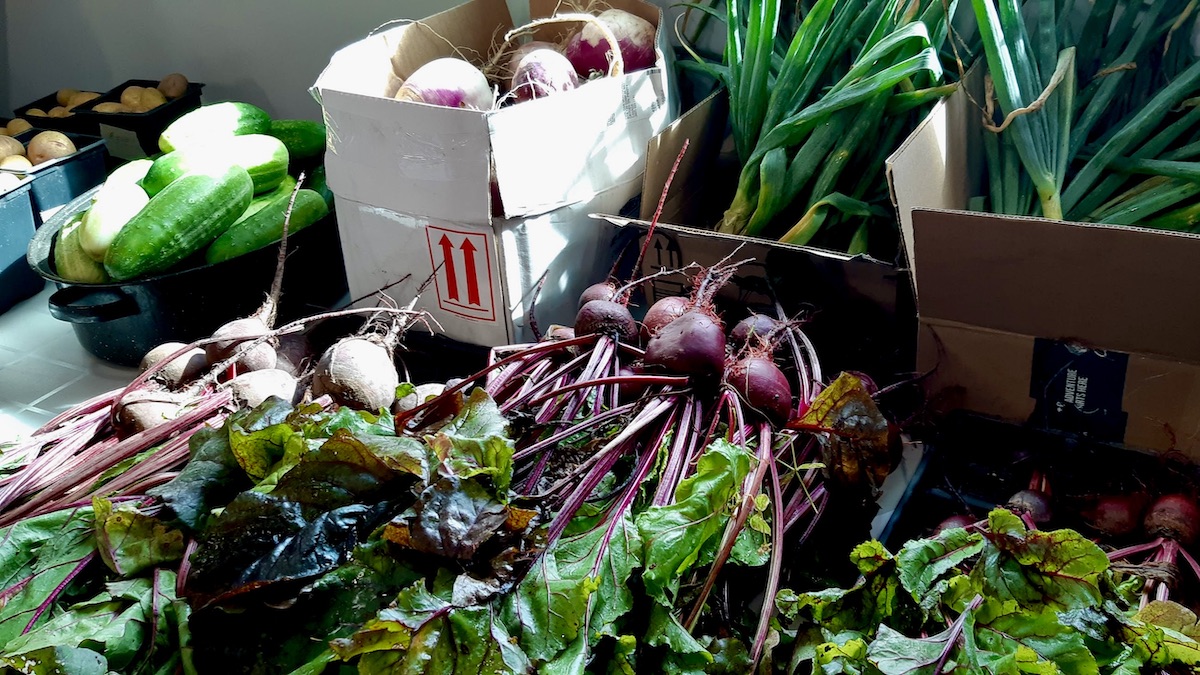
Melgund Township will host its annual fall Farmer's Market in the first week of September. Come join the community to celebrate the end of the summer season, support local growers, and see what our community gardens have produced!
Gallery
Coming Soon
Check back later for photos of our milkweed patches, papermaking workshops, and community events.
What We're Building
Partners & Support
Global Goals, Local Action
Our work in Melgund Township aligns directly with the United Nations Sustainable Development Goals.
Protect, restore and promote sustainable use of terrestrial ecosystems. By cultivating milkweed and studying monarch habitats, we actively work to halt biodiversity loss and restore degraded land in our community.
Take urgent action to combat climate change and its impacts. Our baseline environmental studies and greenspace development build local resilience and improve education and awareness on climate change mitigation.
Get Involved
Whether you want to learn, support, or collaborate, there's a place for you in the Milkweed to Market project.
Join us
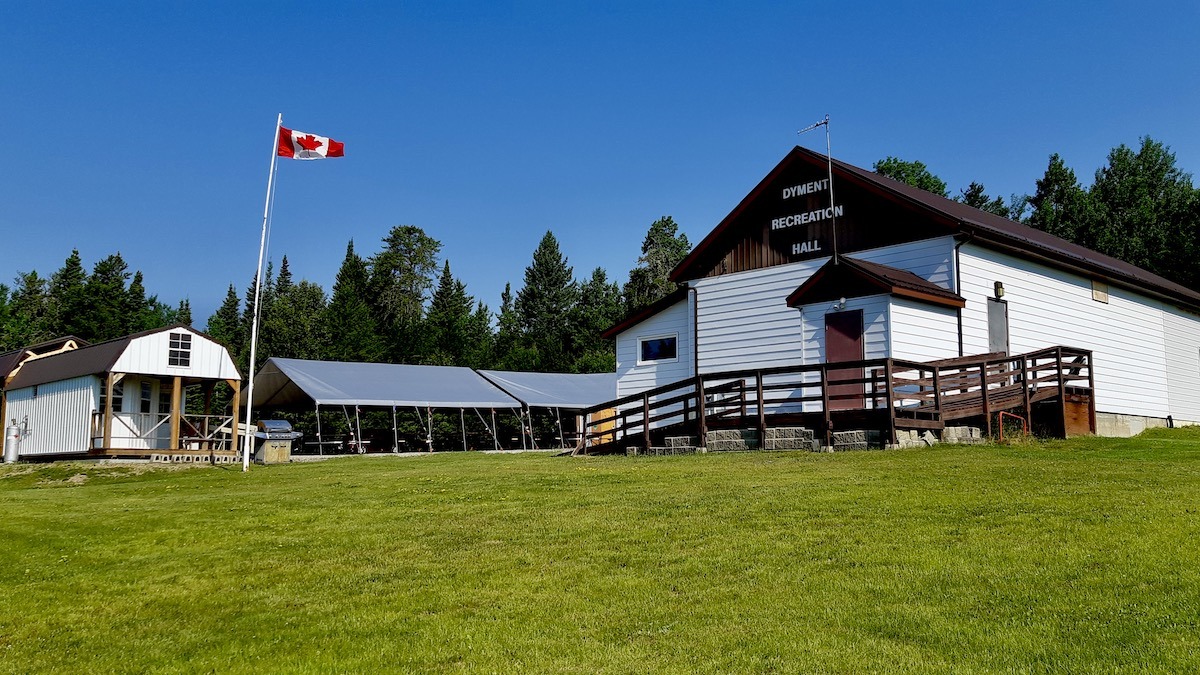
We will be working from the Art Borups Corners Land Lab and Dyment Recreation Hall community complex garden. Whether you're a seasoned gardener, an aspiring artist, or simply curious about local ecology, there's a place for you here. Contact us for our seasonal schedule and discover how you can take part! We're always looking for enthusiastic participants and volunteers to join our growing community.
Support the project
The Local Services Board of Melgund is a qualified donee and can provide charitable tax receipts for donations made to our community arts and recreation programs. Your financial support directly funds our workshops, environmental research, and the ongoing maintenance of our public greenspaces, helping us sustain this vital work for years to come.
Collaborate
We are actively seeking researchers, artists, and entrepreneurs across Northwestern Ontario to collaborate on this unique initiative. Whether you are based in Kenora, Dryden, Thunder Bay, or the surrounding rural communities, your expertise can help us expand our environmental research, develop new arts-based products, and strengthen the local green economy.