From muddy roadside samples to pottery traditions, a creative introduction to the surprising world of clay.
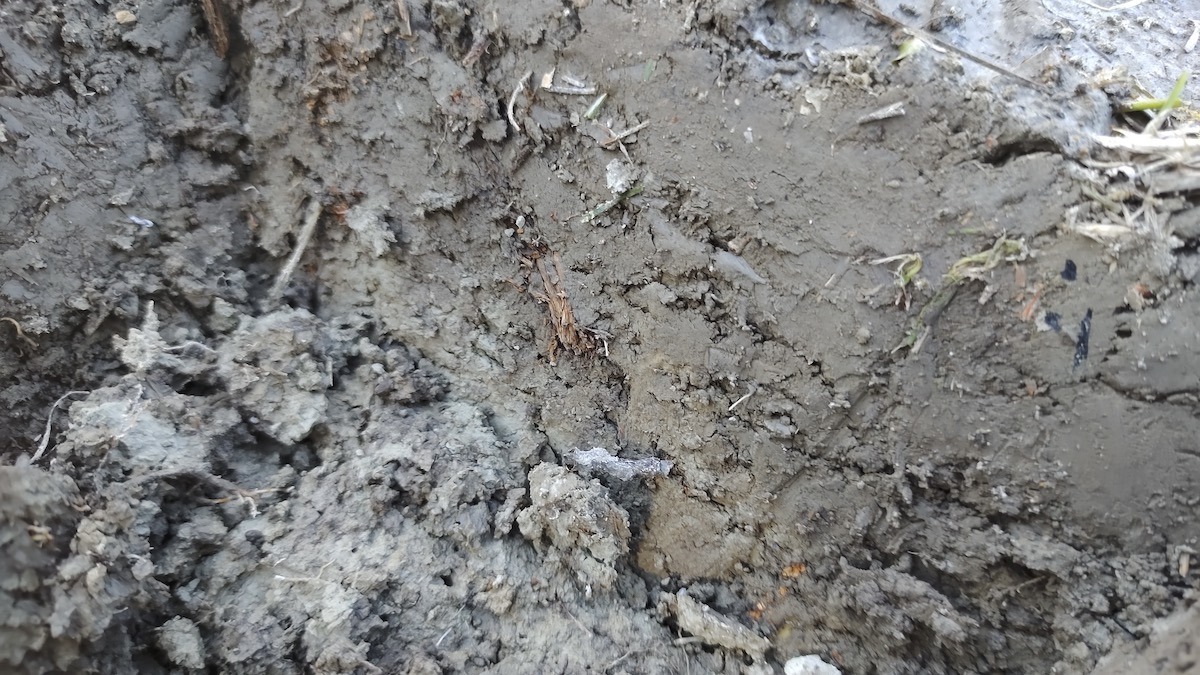
This month, we’ve been learning about clay — not from textbooks or museums, but directly from the ground itself. Around the Melgund and Revell Township areas, team members have been collecting local clay samples, testing textures, mixing materials, and slowly learning how this ordinary-looking earth has shaped art, culture, and human history for thousands of years.
One of the first things we discovered was something called slip clay, usually shortened to simply “slip.” Slip is clay mixed with enough water to turn it into a smooth liquid. Depending on how much water is added, it can look like cream, paint, or even muddy chocolate milk. It sounds simple, but slip is one of the most important materials in ceramics and pottery.
Artists use slip in all kinds of ways. It can act like glue for attaching pieces of clay together. It can be brushed onto pottery as decoration. Some ceramic artists pour slip into plaster molds to create cups, bowls, or sculptures. Thick slip can even be used to create raised textures and patterns across the surface of pottery.
What makes clay interesting is that it changes constantly depending on water, pressure, and heat. Dry clay can be crushed into powder, mixed into slip, reshaped into solid forms, and eventually fired into ceramics that can survive thousands of years underground. Archaeologists often study ancient pottery fragments because clay preserves human stories so well. A broken clay pot can reveal how people cooked, traded, travelled, or created art centuries ago.
That connection to time is part of what inspired this project. We’ve been thinking about clay not only as an art material, but as part of a much bigger “deep time” story — one connected to geology, landscape, memory, and human creativity. The clay beneath roads, forests, and wetlands around Northwestern Ontario has existed for far longer than any community living here today. Digging it up and working with it creates a strange but meaningful connection between the present and the distant past.
The process itself has also been surprisingly fun. Some clay samples turn smooth immediately. Others stay sandy or grainy. Some become thick and sticky while others dissolve almost like paint. Every bucket feels like an experiment. There’s something satisfying about watching dry earth slowly transform into usable material through nothing more than water, patience, and curiosity.
For young artists especially, clay offers a refreshing kind of creativity. It’s physical, messy, inexpensive, and impossible to fully control. Unlike digital work, clay pushes back. It cracks, bends, shrinks, and changes shape unexpectedly. Sometimes that unpredictability becomes part of the artwork itself.
As this project continues, we’ll keep exploring the history of ceramics, pottery traditions, local geology, and experimental art-making techniques using regional clay. Right now, we’re still very much beginners — learning as we go, asking questions, making mistakes, and discovering how much creative potential can exist inside something as ordinary as mud.
And honestly, that may be the best part of all.