Planning a Community Mural: More Than Just Painting a Wall
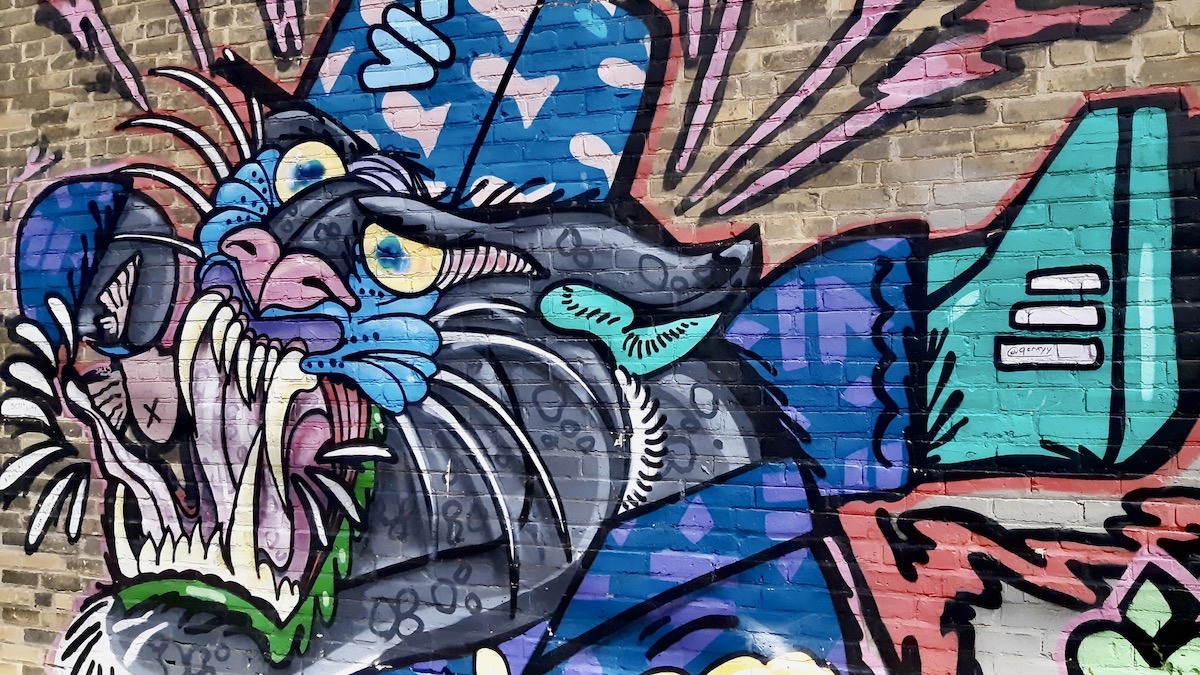
This mural at Sutherland Avenue and King Street in Winnipeg’s North End is one of those pieces of public art that makes you slow down for a moment. Every time we are walking through the area, it catches our attention. The colours, the scale, and the way it changes an otherwise ordinary street corner make it feel like the neighbourhood is telling its own story.
This summer, we have been having conversations about supporting a couple of community mural projects, which sent us exploring Winnipeg to look at some of our favourites. Walking around the city is one of the best ways to understand what makes a mural work. Some pieces are technically impressive, but the ones that stay with you are usually the ones that feel connected to the people and place around them.
A community mural starts with an idea, but it really begins with a conversation. Before anyone starts sketching designs, there needs to be time spent understanding what the community wants to share. What stories are important? What histories should be remembered? What images feel meaningful to the people who live there?
The planning process is where much of the work happens. Artists, residents, organizations, and community partners all bring different perspectives. A good mural is not just an artist creating something beautiful on a blank wall — it is a process of building something together.
There are also many practical details that people do not always see. Finding the right location, getting permissions, preparing the surface, choosing materials that can handle Manitoba weather, organizing workshops, and creating a timeline all shape the final piece. A mural might look spontaneous when it is finished, but there is usually a lot of care behind it.
The murals we return to are the ones that feel like they belong where they are. They become meeting points, landmarks, and reminders of the creativity that already exists in a community.
Looking around Winnipeg, especially in neighbourhoods with strong local identities, it is clear that murals can do more than brighten a wall. They create a sense of place. They give people something to recognize, something to share with visitors, and something that reflects the stories already happening around them.