From nuclear waste disposal in Northwestern Ontario to environmental protection and water systems extending into Manitoba, major nuclear decisions raise questions that communities across the region need to understand.
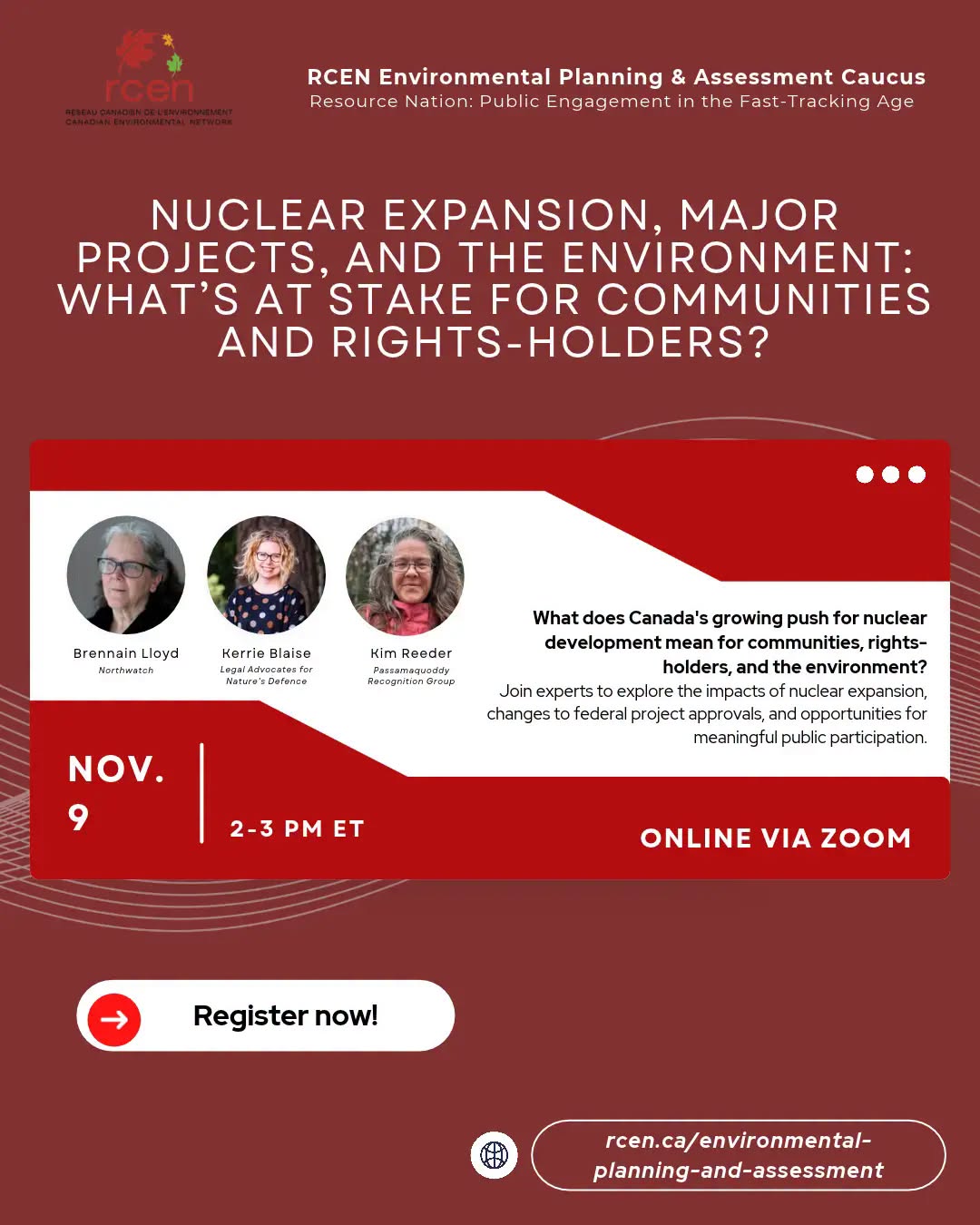
Click here to register for the Webinar on Monday, November 9, 2026 | 2:00 p.m. Eastern Time
Canada is entering a new period of nuclear development. Governments and industry are looking to expand nuclear power generation, advance major infrastructure projects and establish new approaches to managing radioactive waste. These developments are bringing significant questions about environmental protection, Indigenous rights, public participation and the long-term responsibilities associated with nuclear development.
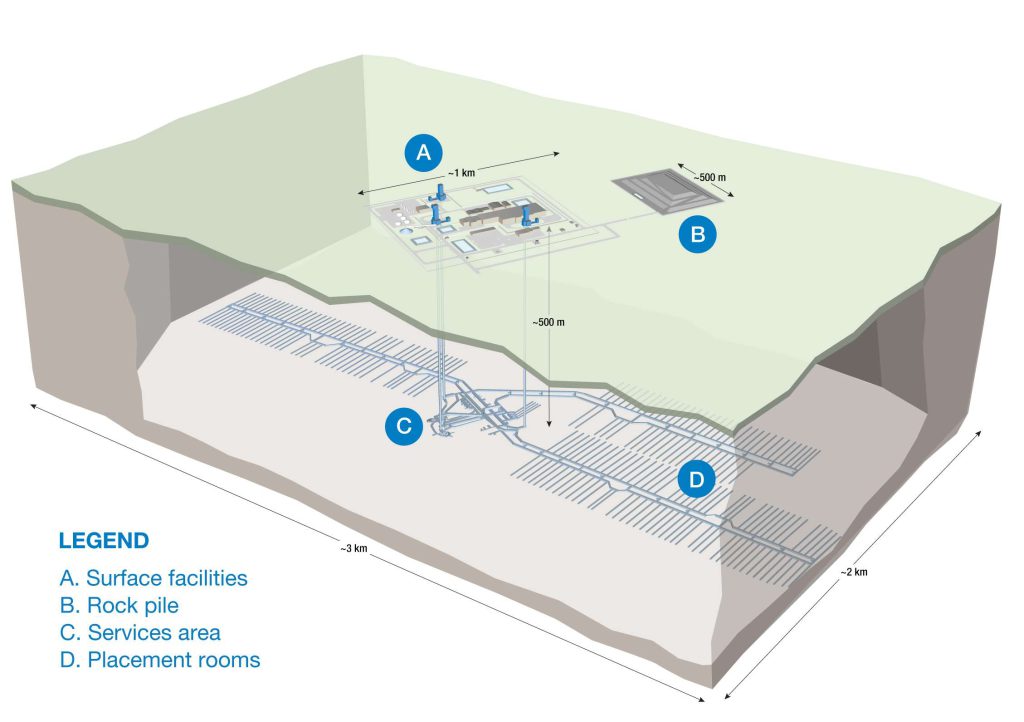
One of the most consequential proposals in Northwestern Ontario is the Nuclear Waste Management Organization’s (NWMO) proposed Deep Geological Repository for nuclear waste (DGR), planned for the Revell Batholith. The project has attracted growing attention following its referral to the federal Major Projects Office for consideration as a potential Project of National Interest (PONI). This development introduces another important dimension to the federal decision-making process surrounding the highly controversial nuclear waste programme.
The implications extend well beyond the proposed repository site. Northwestern Ontario’s interconnected watersheds, waterways, forests and ecosystems are part of a much larger regional environment. Questions about the potential effects of the DGR on water, environmental monitoring and long-term protection are relevant not only to communities near the proposed development but also to people throughout the surrounding region, including Manitoba, where connected waters and downstream environments are important considerations.
These are not simply technical questions about underground engineering. They concern the protection of water and land, the rights and interests of Indigenous peoples, the future of local communities and the ability of the public to participate in decisions with consequences extending across generations.
A changing federal landscape for nuclear development
On Monday, November 9, the Environmental Planning & Assessment Caucus of the Canadian Environmental Network is hosting a webinar examining Canada’s renewed interest in nuclear energy and what it means for communities, Indigenous rights-holders and the environment.
The discussion will examine different types of nuclear projects and their potential impacts, opportunities for meaningful community and rights-holder participation, and changes to the federal legislative and regulatory environment.
Particular attention will be given to Bill C-39, the Building Canada Act and the Nuclear Safety and Control Act. These legislative developments raise important questions about environmental assessment, regulatory oversight and the opportunities available to the public to participate in major project decisions.
The webinar will feature Brennain Lloyd of Northwatch, Kerrie Blaise of Legal Advocates for Nature’s Defence, and Kim Reeder of the Passamaquoddy Recognition Group. Their experience in community organizing, environmental law and Indigenous rights will bring important perspectives to the discussion.
For people following the NWMO DGR proposal, the Major Projects Office referral and the changing federal approach to major infrastructure, this is an opportunity to better understand the broader policy and regulatory environment in which these decisions are being made.
Why Northwestern Ontario and Manitoba should be paying attention
The proposed NWMO repository is a major regional development with environmental considerations that extend beyond municipal and provincial boundaries. Water systems do not follow administrative boundaries, and environmental questions associated with a project of this scale deserve consideration across the wider watershed and connected ecosystems.
For Northwestern Ontario, this includes the communities closest to the proposed development, surrounding municipalities and unorganized territories, Indigenous communities and people who depend on the region’s land and water. For Manitoba, the relationship between regional watersheds and downstream environments makes it important to understand the questions being raised about the project’s potential environmental implications.
There are also broader concerns about how nuclear waste decisions are made, how long-term environmental responsibilities are addressed, how independent oversight is maintained and whether affected communities have meaningful opportunities to participate.
The Major Projects Office referral makes these discussions particularly timely. Understanding the implications of a potential Project of National Interest designation, the applicable federal legislation and the potential erosion of democratic and public participation processes is important for anyone concerned about the future of nuclear development in Canada.
Join the conversation and make your voice heard
Public participation matters. Decisions about nuclear energy and radioactive waste should involve informed discussions about environmental consequences, community interests, Indigenous rights and long-term responsibilities. This webinar is an opportunity to hear directly from community organizers and environmental and Indigenous law experts, understand the issues being raised across Canada and consider how communities can make their voices heard.
You do not need to be an expert in nuclear energy or environmental legislation to participate. Whether you are interested in the proposed NWMO DGR, water protection, Indigenous rights, environmental assessment or the future of nuclear development, there is a place for you in this conversation.
From Northwestern Ontario to Manitoba and communities across Canada, these decisions deserve public attention. Tune in, take part and learn more about what is at stake.
Event details
Event: Nuclear Energy Expansion, Communities and Environmental Oversight
Date: Monday, November 9, 2026
Time: 2:00 p.m. Eastern
Format: Online webinar
Registration: Click here to register
Hosted by the Environmental Planning & Assessment Caucus of the Canadian Environmental Network.