Cool new chapters from Spring Short Stories
Welcome to our daily update for the Spring Short Stories project, a fun experiment where we explore seasonal storytelling and creative arts. This collection is part of our research into how AI can help us learn, play, and build digital literacy through the magic of spring narratives. We are focusing on curiosity and the joy of creating, using this project as a playground for new ideas and artistic growth during the thaw.
These stories are designed to help us grow new talent in scriptwriting and technology while looking closely at life in Northern cities. We want to see how the unique mix of urban environments and spring weather changes the way we tell our stories. This work is purely exploratory and experimental, helping us notice the small, fleeting moments that make city life so interesting when the snow finally melts.
Today’s Spring Short Stories

Plastic Gas Can
Author: Tony Eetak | Category: Literary Fiction | Genre: Coming-of-Age
A delusional influencer strands his cousin in a blizzard after refusing to stop at gas stations with bad lighting.
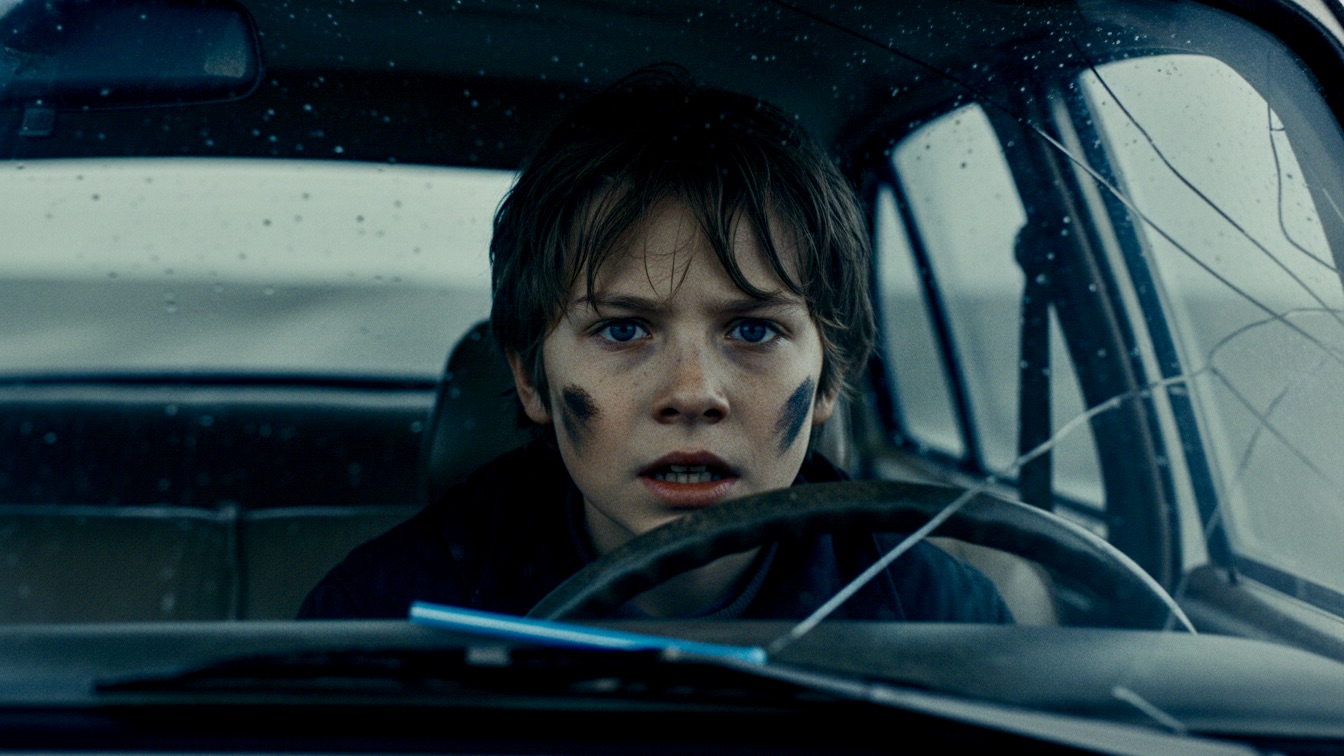
Broken Wiper Blades
Author: Jamie F. Bell | Category: Literary Fiction | Genre: Coming-of-Age
Gerry endures a grueling road trip with a manipulative mentor, eventually choosing his own path on the prairie.
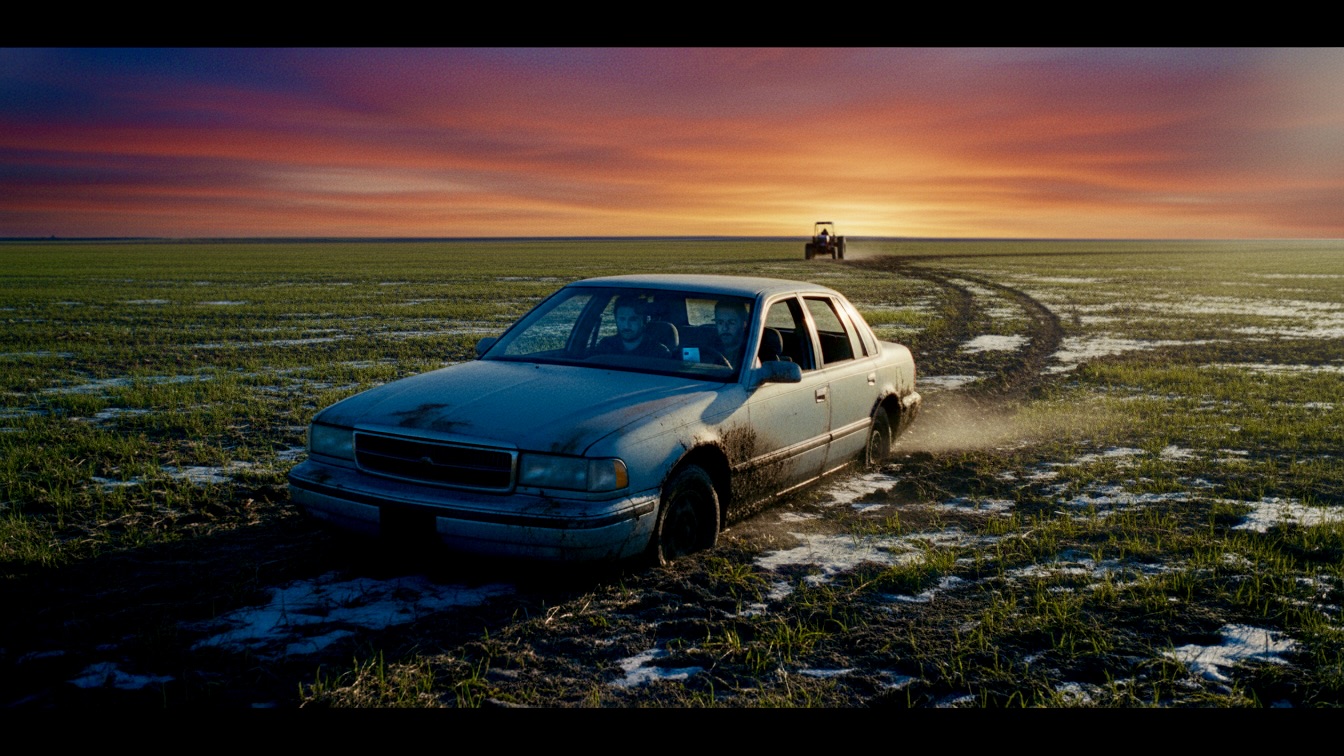
Salt and Dead Grass
Author: Tony Eetak | Category: Literary Fiction | Genre: Dystopian
Two men trapped in a rusted sedan debate the reality of their situation as their mental health craters.

The Thaw Pit
Author: Jamie F. Bell | Category: Literary Fiction | Genre: Horror
Three friends find a body in the slush and debate its viral potential while the spring thaw reveals details.
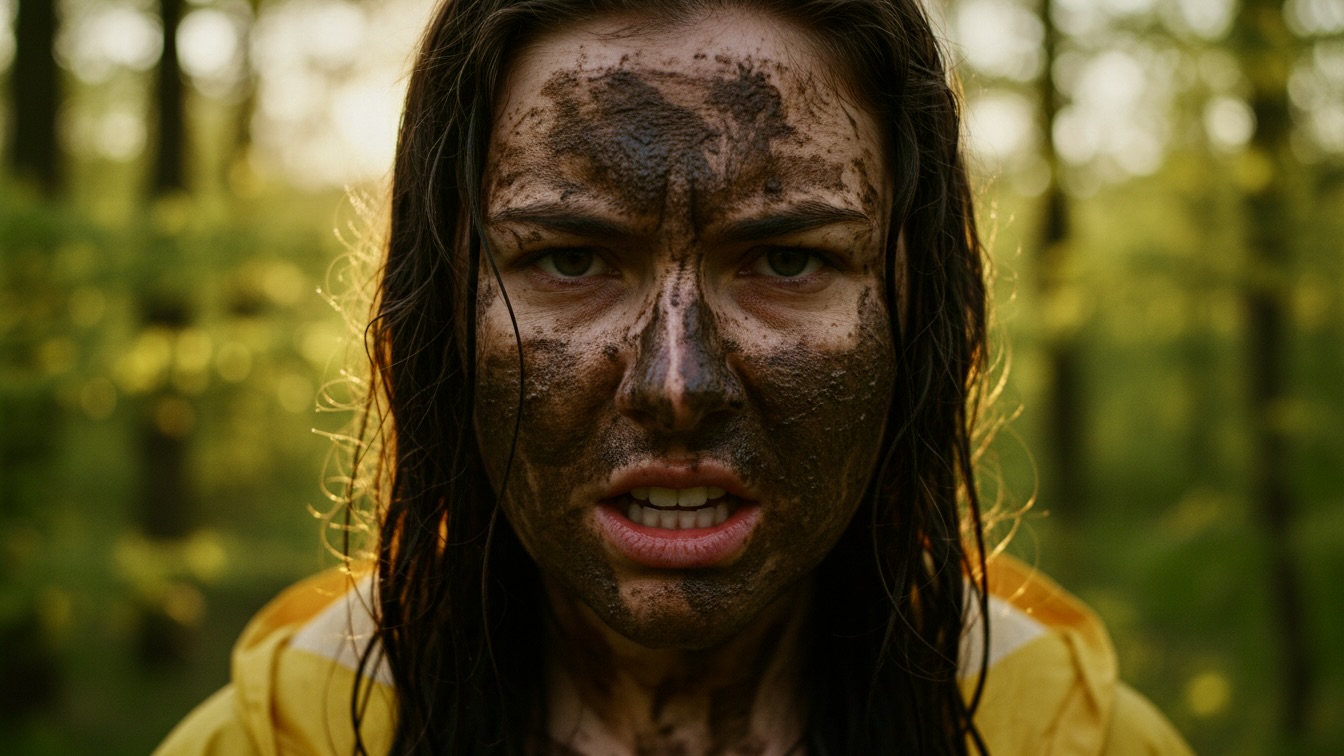
The Wet Tent
Author: Eva Suluk | Category: Literary Fiction | Genre: Literary Fiction
Three friends struggle against the spring rain and a single power bank while their camping trip falls apart completely.
Design Notes and Applied Research
This collection spans diverse genres, including coming-of-age, dystopian, and horror themes, all anchored within the framework of literary fiction. By navigating these varied narrative structures, we successfully explored the intersection of traditional storytelling and modern digital literacy for the arts. This process required robust information management to ensure each piece contributed to our broader goal of technical skill development. The resulting work demonstrates how creative versatility serves as a foundation for navigating today’s complex digital landscape.
This interdisciplinary initiative proved to be an exciting venture that bridged the gap between creative expression and systemic project organization. Our team gained valuable experience by integrating artistic vision with the practical requirements of digital content curation. The project provided a unique platform to refine our communication strategies while experimenting with different literary modes. We conclude this spring-themed series with a deeper understanding of how interdisciplinary collaboration enhances the impact of contemporary storytelling.