The Economic Reality of Generative AI Flooding Modern Streaming Networks
The economic viability of Canada’s creative arts sector faces a critical threat from generative artificial intelligence platforms, which are systematically scraping the intellectual property of local creators to flood commercial marketplaces with synthetic cultural products.
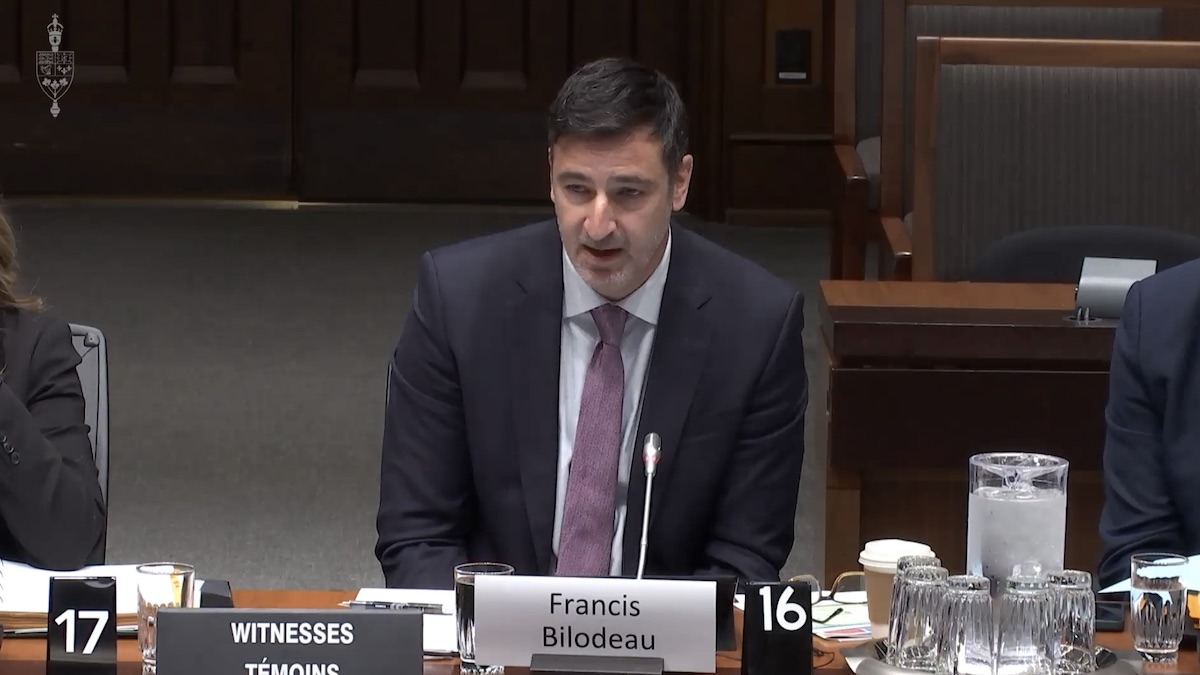
Testimony delivered before the House of Commons Standing Committee on Canadian Heritage on May 5, 2026, reveals that automated content now accounts for more than one-third of streaming service inventories, throwing national intellectual property laws into administrative chaos.
The rapid proliferation of machine learning software into creative humanities sparked direct questioning from committee members regarding federal enforcement strategies. Liberal MP David Myles raised alarms over the severe volume of automated content filling modern entertainment networks, pressing departmental officials to outline protective guardrails for the creative workforce.
“We had a really robust study on artificial intelligence and its effect on the creative industry,” Myles told the committee, emphasizing the severe economic anxiety rippling through local creative communities. “We heard a lot of concerns, particularly around the protection of intellectual property and the importance of copyright. I think we can all agree that there is more and more content on our streaming services that is AI-generated. Now they’re saying that it’s up to 30% or 35%.”
Responding to the inquiry, Francis Bilodeau, Deputy Minister for the Department of Canadian Heritage, conceded that global regulators are struggling to keep pace with algorithmic tools that ingest copyrighted materials to generate synthetic content. Bilodeau, drawing on his extensive administrative background, acknowledged that governments worldwide are grappling with the realities of automation, noting that while artificial intelligence creates corporate opportunities, it presents severe structural threats to cultural livelihoods.
“With regard to AI in the cultural industries, as I believe you know, we’ve started more robust engagement with AI and the potential impact on the industries, including this: What does that mean with regard to regimes around copyright?” Bilodeau testified. He explained that federal policy architects are analyzing “how AI systems can ingest copyrighted or copyrightable materials and how they might be used in production,” pointing to an emergency multi-industry summit recently convened in Banff to confront the crisis.
The core issue remains the absolute lack of financial transparency, which leaves independent Canadian creators completely vulnerable to corporate exploitation. Bilodeau validated the committee’s focus, admitting that the ongoing shift jeopardizes the financial stability of independent artists, who are routinely denied recognition, transparency and licensing revenue when their original works are used in the training and subsequent creation of commercial product by AI.
“In many ways, artists shape our identity and create pieces that are public,” Bilodeau stated on the parliamentary record. “As you flagged, the challenges there are around issues of copyright, licensing, and whether or not there’s recognition and transparency when something that’s been created by an artist is used in the training and then the subsequent creation of product by AI.”
The lack of strict technical transparency mandates has forced federal policy architects to re-evaluate what constitutes human authorship under domestic law. As technology conglomerates monetize automated text, music and visual graphics derived from human labor, the federal government is reviewing legal frameworks to build rigid distinctions between human creation and machine replication.
Bilodeau confirmed that the department is currently examining multi-layered protection mechanisms, outlining several core areas under review. “Topics that are under consideration are things like clear identification of what’s been done by AI versus an individual, clear issues around how you build and advance licensing rights, conversations about copyright and the recognition of what is or is not copyrightable,” Bilodeau reported.
“There are active debates. Those are exactly the issues we’re engaging in, with the artists and cultural industries, to try to think how we can build out a regime that supports creation within culture and arts in Canada; maintains that capacity; and is reflective of the changing potential economic dynamics that are brought about, not just by AI specifically but digital as well.”
Compounding the problem is the fragmented economic structure of the arts community itself. Bilodeau warned that a blanket, one-size-fits-all legislative model is completely unviable because automation disrupts different creative fields in entirely unique ways, requiring localized, industry-specific copyright protections.
“There is an analogy between what’s happening in the AI space and digital, where the structures and economics of sectors… and they’re not all the same,” Bilodeau explained. “The music sector will not be the same as the visual arts sector, which will not be the same as the performing arts sector, as examples. How each of these is being impacted by digital and AI is, I think, core to what we are currently engaging in and discussing, and Parliament will be engaging in and discussing.”
While the federal government previously attempted to curb big tech dominance through statutes like the Online News Act and the Online Streaming Act, officials admitted that these legislative tools are fundamentally unequipped to handle generative software. Those prior regulatory frameworks targeted web traffic and distribution revenue, whereas generative artificial intelligence algorithms actively threaten to replace the human artist entirely.
“In a way, online news and online streaming, both pieces of legislation, were an initial step forward in creating a regulatory environment that attempts to deal with the digital realities facing some of our sectors that are being transformed by digital technologies,” Bilodeau said. “However, the dialogue, the engagement and thinking through the policy are things we’ll welcome from this committee, but they are also things the department is advancing.”
As commercial platforms systematically hollow out local creative markets with automated content, pressure is building on Parliament to execute immediate transparency enforcement. Without compulsory licensing models and strict legal guardrails to defend human creation, federal analysts warn that the domestic creative economy faces structural financial obsolescence.