A Living Apple Orchard Growing in Borups Corners, Northwestern Ontario
The Art Borups Corners Land Lab is known for creative placemaking, but its work stretches far beyond art alone. Food systems, sustainability, and community resilience sit at the heart of many of its projects. One of the most meaningful examples of this has been a small but growing apple orchard planted in Borups Corners.
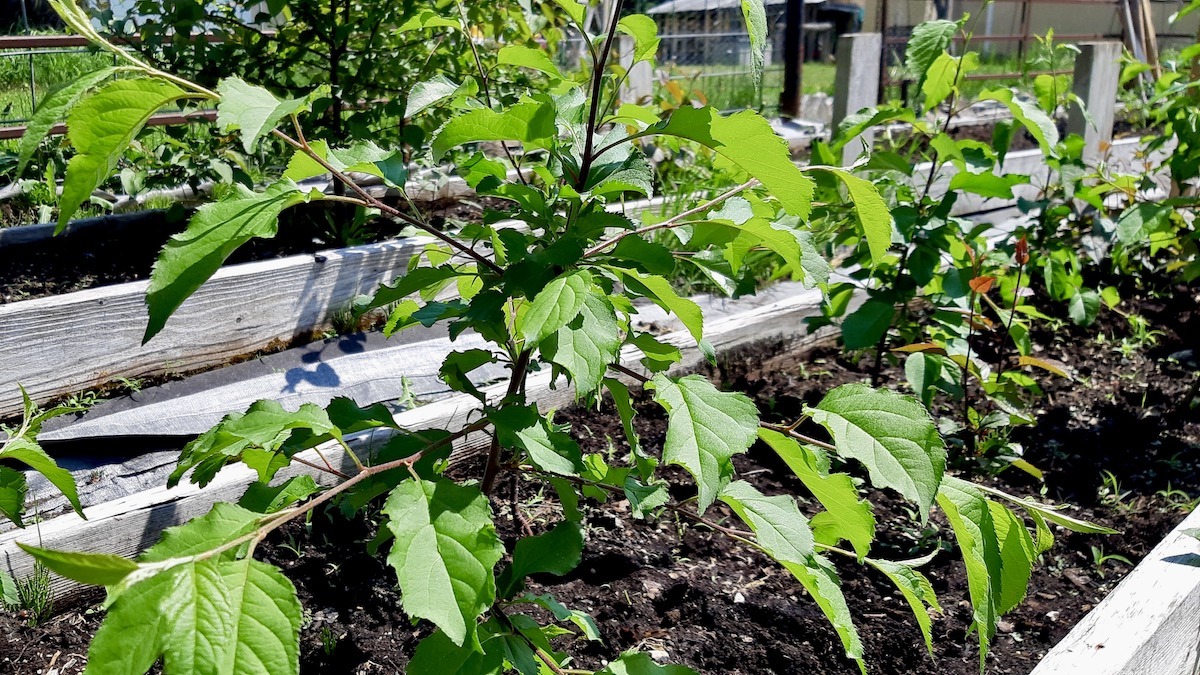
Now entering its second year, more than twenty young apple trees are thriving in northern soil. What began as an experiment in food security and land stewardship has become a living classroom for how communities can grow, care for, and learn from perennial food systems in Northwestern Ontario.
Apple trees take patience, especially in northern climates, but they also reward care with resilience and abundance. The orchard has become a reminder that growing food is as much about attention and relationship as it is about technique.
Food Systems, Climate Entrepreneurship, and Community Resilience
Across Canada, communities are exploring new approaches to food security, climate adaptation, and local economic development. Community orchards have become one way to address several challenges at the same time.
Apple trees are a long-term investment in both food production and environmental resilience. Once established, orchards can provide harvests for decades while supporting pollinators, improving biodiversity, storing carbon, and strengthening local food systems.
The Borups Corners orchard also reflects growing interest in climate entrepreneurship. Projects that improve environmental outcomes while creating educational, social, and economic benefits are becoming increasingly important in rural communities. The orchard demonstrates how small-scale land stewardship projects can contribute to sustainability goals while building local knowledge and community capacity.
Community resilience often grows from small, practical actions. Planting trees, caring for soil, producing food locally, and sharing knowledge all help create stronger communities that are better prepared for future challenges.
Understanding Apple Trees in a Northern Climate
Apple trees in colder regions like Northwestern Ontario face unique challenges. Shorter growing seasons, late frosts, and fluctuating temperatures all shape how trees establish themselves. Young trees especially need consistent care in their early years as they develop strong root systems and structural balance.
The orchard in Borups Corners shows that with the right attention, apple trees can adapt and thrive even in demanding conditions. The key is not forcing growth, but supporting it gradually over time.
Soil, Sun, and the Foundation of Healthy Growth
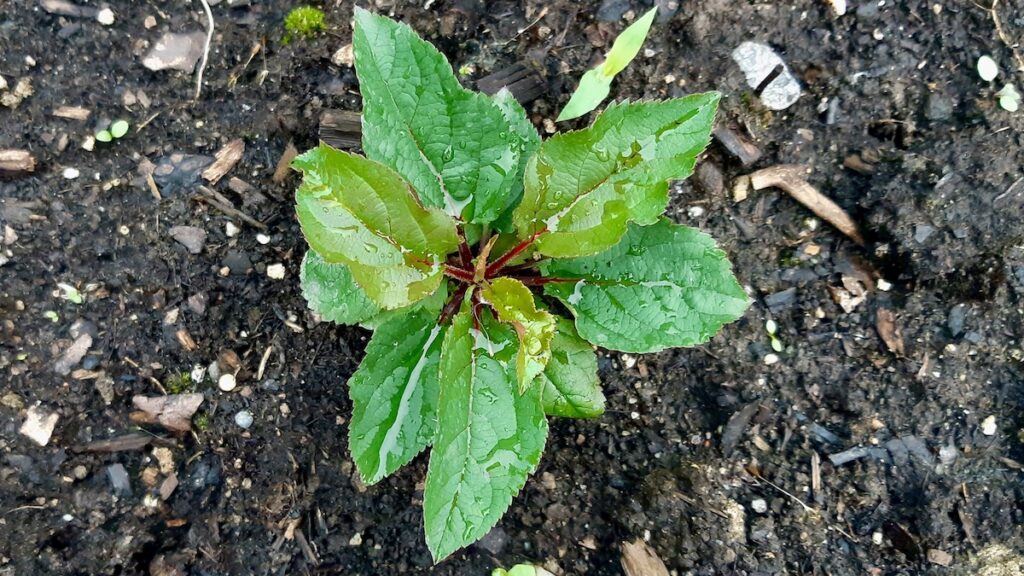
Healthy apple trees begin long before fruit appears. Their success is rooted quite literally in what happens below the surface. Understanding apple tree soil requirements is one of the most important steps in establishing trees that will grow steadily and remain resilient over time, particularly in community orchard and urban planting contexts.
Soil quality determines how effectively a young tree can establish itself. Apple trees grow best in well-draining soil that still holds enough moisture to support consistent root development. When soil becomes waterlogged, roots struggle to access oxygen, which can slow growth and increase the risk of disease. At the same time, overly dry or sandy conditions can prevent the tree from taking up the nutrients it needs to thrive. The ideal environment is a balanced, living soil with organic matter that supports both drainage and moisture retention. Over time, improving soil structure with compost and natural amendments strengthens microbial activity, which in turn supports healthier root systems and more stable long-term growth.
Sunlight is equally essential. Apple trees require full sun, typically at least six to eight hours per day, to develop strong structure and reliable fruit production. Light exposure influences everything from flowering to fruit ripening, and insufficient sunlight can lead to weak branching, reduced yields, and greater vulnerability to pests and disease. In shared or community orchard environments, sunlight becomes a design consideration as much as a biological need. The way trees are spaced and positioned determines whether each canopy receives enough light to develop evenly throughout the season.
Spacing and airflow are closely tied to sunlight. When trees are planted too closely together, their canopies compete for light and restrict air movement, creating conditions where moisture lingers and disease can spread more easily. Proper spacing allows air to circulate through the orchard, reducing pressure from fungal issues while also ensuring that sunlight reaches deeper into each tree’s structure. This balance supports not only healthier trees but also easier long-term care, pruning, and harvesting.
When soil health, sunlight exposure, and spatial design come together, apple trees are far more likely to establish strong root systems and productive canopies. In community orchard settings, these foundational conditions are what allow trees to mature into long-lived, resilient parts of the landscape rather than short-term plantings.
Watering, Mulching, and Early Care
Caring for newly planted apple trees starts with understanding how to water young apple trees properly during their early establishment phase. In the first few years, consistent but moderate watering is essential for building strong, deep root systems. Rather than frequent shallow watering, young apple trees benefit from deep watering sessions that allow moisture to reach further into the soil. This encourages roots to grow downward instead of remaining near the surface, which helps the tree become more stable and drought-resistant as it matures.
At the same time, it is important to avoid overwatering. One of the most common issues in early apple tree care is soil that remains too wet for too long. Waterlogged conditions reduce oxygen availability in the soil, which can slow growth and increase the risk of root stress or disease. A balanced watering schedule for young apple trees should respond to rainfall, soil type, and seasonal conditions, rather than following a fixed routine. The goal is steady establishment, not constant saturation.
Mulching apple trees is another key practice in early orchard care. Applying mulch around the base of newly planted trees helps retain soil moisture, which reduces the need for frequent watering and supports more stable root development. Mulch also regulates soil temperature, keeping roots cooler during warm periods and more insulated during colder weather. In colder or northern climates, this temperature buffering effect is especially important because it helps reduce stress caused by seasonal swings and freeze–thaw cycles.
In addition to moisture and temperature control, mulch for apple trees plays a major role in reducing competition from grass and weeds. Without this competition, young trees can direct more energy into root growth and canopy development. As organic mulch breaks down over time, it also improves soil structure and adds nutrients back into the soil, gradually strengthening the growing environment around the tree.
In cold climate orchard settings and community orchard environments, these early care practices are foundational to long-term success. Proper watering of young apple trees, combined with consistent mulching, creates stable soil conditions that support healthy establishment, stronger root systems, and more resilient trees over time.
Pruning for Structure and Long-Term Health
Pruning apple trees is one of the most important long-term care practices in any orchard, especially during the early stages of growth. Proper apple tree pruning helps shape the structure of the tree, guiding it toward a strong central framework that can support healthy fruit production later in its life. For those learning how to prune young apple trees, the focus is less on immediate yield and more on building a stable, well-balanced structure that will last for decades.
In the first few years, pruning is primarily about training the tree. Young apple trees respond strongly to careful shaping, and early cuts influence how branches develop over time. Establishing a strong central leader or well-spaced scaffold branches helps ensure that the tree can support fruit weight evenly as it matures. This structural foundation is essential for long-term orchard productivity and resilience.
In the Borups Corners orchard, pruning apple trees is approached in a slow, intentional way that prioritizes long-term health over rapid production. Rather than pushing trees to fruit early, the focus is on building strong, well-formed trees that can remain productive and structurally sound for many years. This approach reflects a broader philosophy of orchard care that values patience, observation, and steady development.
Removing damaged, weak, or crossing branches is a key part of this process. Strategic pruning improves airflow and increases sunlight penetration throughout the canopy, both of which are critical for reducing disease pressure in apple trees. Better air circulation helps leaves dry more quickly after rain, lowering the risk of fungal issues, while improved light exposure supports stronger overall growth and more even fruit development in later years.
In community orchard and cold climate settings, thoughtful pruning is especially important. It not only shapes the physical structure of the tree but also contributes to long-term orchard health by creating conditions that support consistent growth, reduced disease risk, and sustainable fruit production over time.

Community Orchard Care and Shared Stewardship
Community orchards are built on shared stewardship rather than individual ownership. Instead of being maintained by a single gardener or institution, the orchard functions as a collective space where community members actively participate in its care, learning, and long-term health. This model of community orchard care reflects how shared food systems can operate in urban and climate-focused environments.
In practice, community members contribute to the ongoing maintenance of the orchard by watering young apple trees, observing seasonal changes, and learning how trees respond to different environmental conditions over time. These hands-on activities are central to how community orchards work, turning everyday care into a form of ecological learning. Participants gradually develop an understanding of tree health, soil conditions, and seasonal growth patterns through direct engagement with the site.
This approach is closely aligned with shared stewardship gardening models, where responsibility for land care is distributed across many people rather than concentrated in one role. In community-led food growing projects, this kind of shared care improves resilience, since more people are available to notice changes, respond to issues, and support seasonal maintenance.
In cold climate and urban community orchard settings, shared stewardship also strengthens long-term sustainability. Regular participation from community members helps ensure that young trees receive consistent care during critical establishment years, improving survival rates and supporting healthier orchard development over time.
The Land Lab approach is grounded in this idea of community-based land learning and collective ecological stewardship. Community orchards become more than food-growing spaces—they function as living education sites where people build relationships with land, food systems, and each other. This reflects a broader shift toward regenerative, community-based food systems that prioritize shared knowledge, resilience, and long-term ecological care.
A Growing Future Rooted in Patience
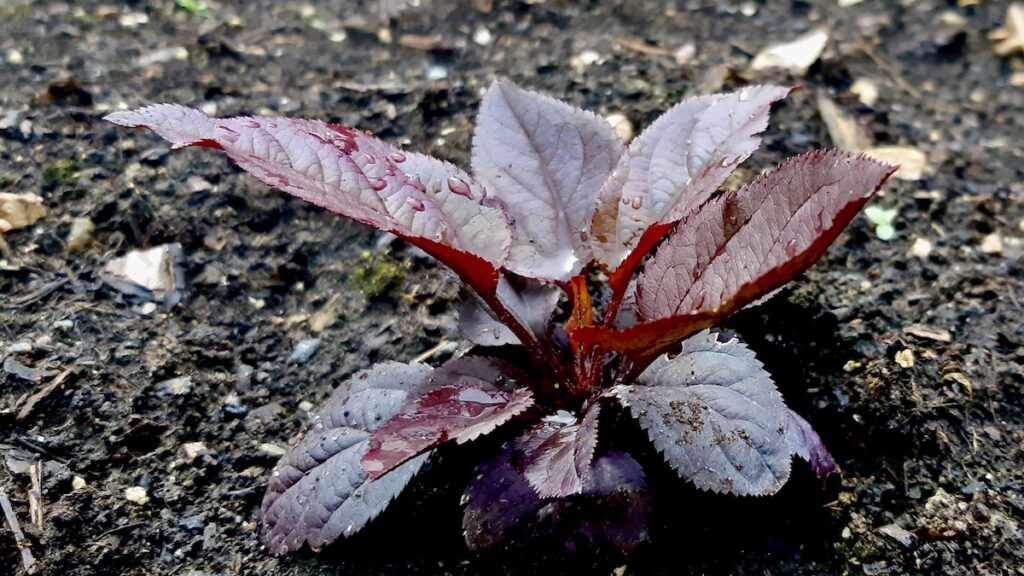
The orchard in Borups Corners is still young, but it already represents something larger than fruit production alone. It demonstrates how community-led food systems can contribute to food security, climate resilience, environmental stewardship, and rural economic development. As the trees mature, they will continue serving as a living example of how long-term investments in sustainable agriculture and community infrastructure can generate benefits for future generations.
Through the Art Borups Corners Land Lab, the orchard continues to support place-based learning, climate entrepreneurship, and creative approaches to community resilience in Northwestern Ontario. Each season brings new growth, new knowledge, and new opportunities to explore how food systems can help build stronger and more sustainable rural communities.