A playful look at how a gardening mishap turned into a storytelling tradition for our spring short story collection
During our Saturday storytelling club session last week, we were asked a simple but surprisingly important question: Why are there so many pink cherry trees in our spring short stories?
The answer is easy. It’s because we love them.
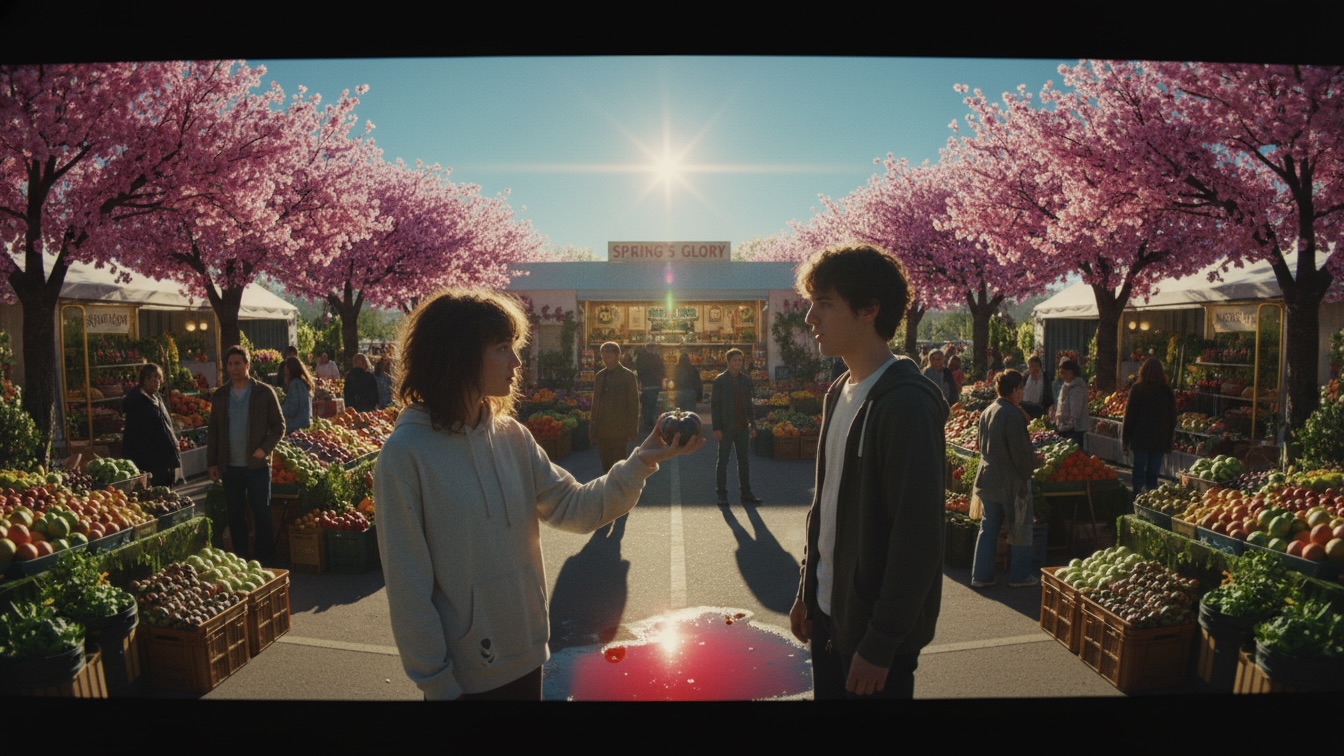
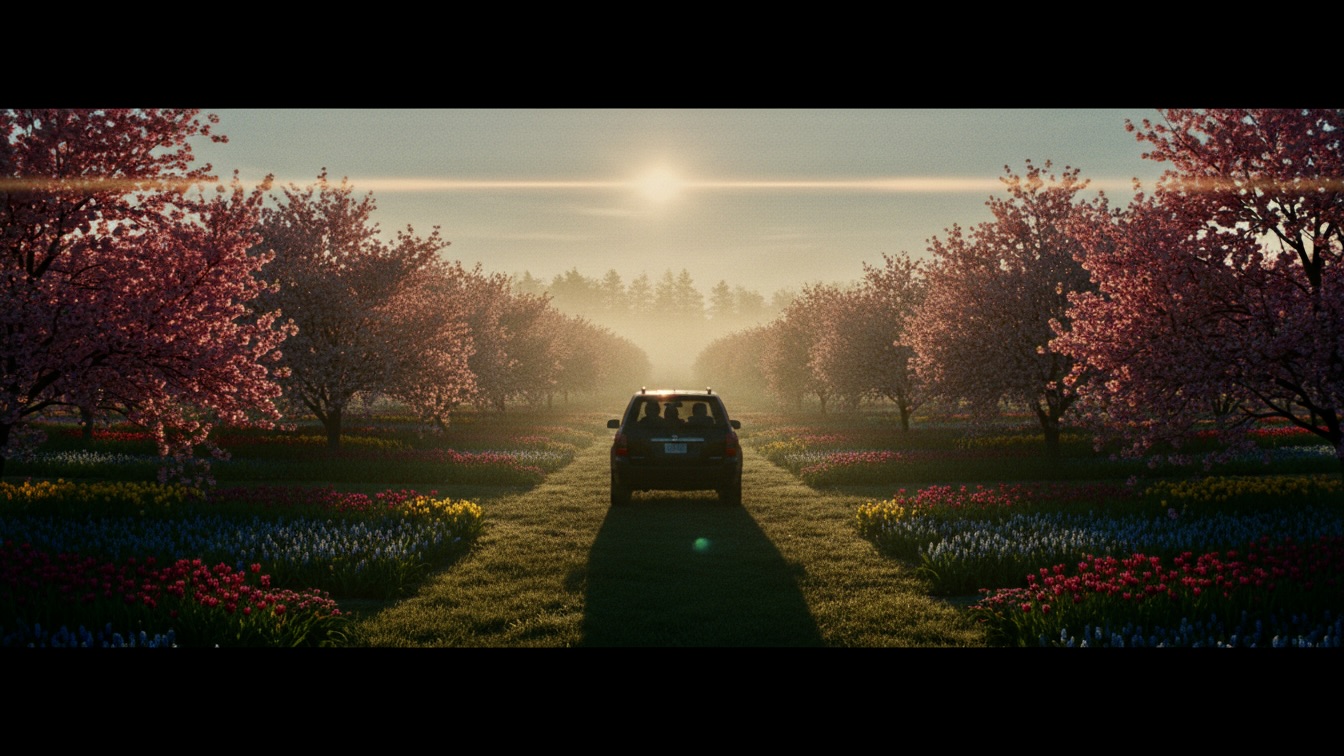
Cherry trees have become a kind of unofficial signature in our spring storytelling world this year. They show up in the background of quiet morning scenes, line the edges of imaginary walking paths, and often even become part of the story itself. It wasn’t random. It was intentional.
As many regular visitors to our site know, we’ve been working on our annual community garden and land lab program alongside our storytelling projects with Art Borups Corners. One of the big ideas has been planting cherry trees alongside the apple trees we started growing last year. So when we began shaping our spring short stories collection, it just made sense to let those trees show up in the imagination too.
But there’s another reason as well—and it’s a bit more frustrating.
We recently lost a batch of cherry seeds we had been carefully stratifying for months. They developed mold before they could be planted, and we had to throw them out. That was disappointing for everyone as we were very hopeful to grow them this spring. Gardening doesn’t always go the way we hope, especially when working with finicky seeds.
So while we figure out the next steps for planting real cherry trees this year, we decided to do something a little different: we started growing them in our stories instead.
Now, instead of waiting, we’re imagining them.
In a way, the stories became a kind of temporary garden—one where cherry blossoms still appear, still bloom, and still bring colour to our spring narratives even when the real planting schedule gets delayed.
So if you’ve noticed a lot of pink cherry trees in our daily spring short stories lately, that’s why.
They’re not just decoration. For us, they’re hope, memory, and a little bit of imagination filling in for what’s still growing in real life. We’ll plant real ones soon.