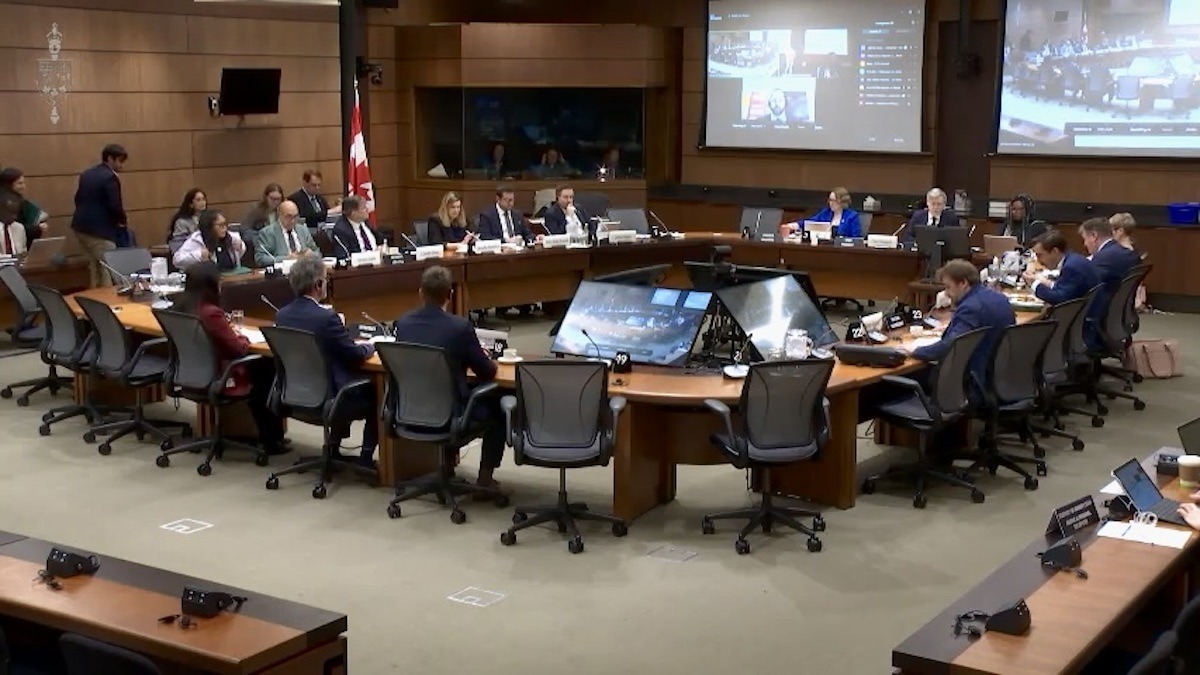
As Ottawa weighs sweeping fast-track zones under controversial Bill C-39, federal MPs approved a taxpayer-funded southern Ontario nuclear trip while leaving communities like Ignace, Dryden, and Melgund Township off the map.
OTTAWA — Federal lawmakers studying the future of Canada’s nuclear industry just approved $54,453.60 in taxpayer money to tour facilities across southern Ontario—while scheduling zero stops in the northwestern Ontario communities slated to bury the sector’s most toxic radioactive waste forever.
During routine business at the House of Commons Standing Committee on Natural Resources on November 16, 2026, MPs greenlit the travel budget for stops in Toronto, Kincardine, and Hamilton as part of their ongoing nuclear industry study.
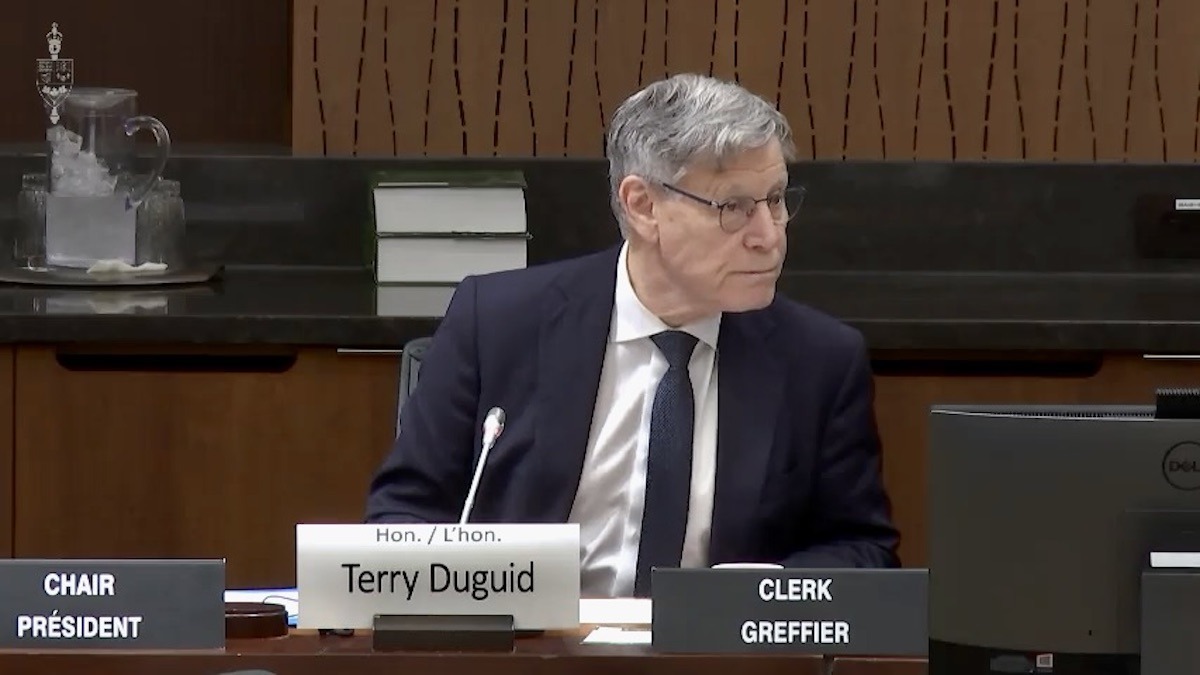
Minutes later in that very same committee room, MPs turned to Nuclear Waste Management Organization (NWMO) CEO Derek Wilson to examine the agency’s $26-billion plan to entomb roughly 5.9 million used nuclear fuel bundles at the Revell site beside Melgund Township, between Ignace and Dryden—and truck or rail that high-level waste an average of 1,700 kilometres north.
Southern Reactors, Northern Blind Spot
The approved travel route keeps MPs squarely inside southern Ontario’s nuclear power and corporate corridor—visiting Bruce Power in Kincardine, McMaster University’s nuclear reactor in Hamilton, and industry headquarters in Toronto.
Left entirely off the itinerary are the most impacted communities like Ignace, Dryden, and the directly adjacent unorganized Melgund Township communities of Dyment and Borups Corners—the most impacted places sitting beside the proposed burial site, the downstream English-Wabigoon watershed, and the undivided two-lane highway and rail lines expected to carry thousands of radioactive shipments.
To critics across northwestern Ontario, the one-sided travel vote underscores an old political reality: southern Ontario gets the electricity, the industrial jobs, and the face time with federal lawmakers, while northern communities are ignored and left to absorb permanent geological, socio-economic and transport risks out of sight.
Fast-Track Powers Without Setting Foot on the Ground
That northern blind spot carries steep consequences as Ottawa weighs sweeping regulatory shortcuts. The NWMO is actively seeking to have its northwestern Ontario dump designated a “Project of National Interest” under the federal Building Canada Act—a move regional communities and First Nations warn could squeeze environmental scrutiny into a rigid one-year clock.
Downstream municipalities including Dryden and Thunder Bay, the Northwestern Ontario Municipal Association (NOMA)—representing 37 northern councils—and major Indigenous organizations including Grand Council Treaty #3, Nishnawbe Aski Nation, the Anishinabek Nation, and the Chiefs of Ontario have all sounded the alarm over missing regional consent, economic impacts, unassessed transport hazards, and the absence of municipal emergency-response funding.
During his testimony, Wilson conceded that hauling radioactive waste across the province falls outside the NWMO’s direct mandate—leaving northern residents asking who will answer for highway and rail safety once shipments roll north.
That northern snub comes as Canadians across the country mobilize in protest against the sweeping powers proposed in Bill C-39—legislation critics, Indigenous peoples, and civil society groups warn erodes democratic oversight, sidelines community consent, and hands fast-track priority to corporate projects and the Major Projects Office over local rights and environmental safeguards.
Ottawa Eyes Fast-Track Powers While Ignoring ‘Regions of National Interest’
While Ottawa is fixated on designating the dump itself as a fast-tracked “Project of National Interest,” federal lawmakers are ignoring the far broader footprint introduced under Bill C-39: Regions of National Interest (RONIs)—geographic zones where Ottawa can pre-clear sweeping industrial and infrastructure corridors under compressed timelines. If the federal government is preparing to lock northwestern Ontario into a multi-generational radioactive burial and transport corridor, visiting the region is not optional—it should be mandatory.
Canada cannot legislate a Project or Region of National Interest from a boardroom in Toronto or a reactor tour in Kincardine. MPs must see firsthand the single-lane Trans-Canada Highway bottlenecks, the volunteer-staffed municipal recreation halls, the rural, unorganized townships like Melgund with no municipal council to speak for them, and the interconnected rivers of the English-Wabigoon watershed before handing cabinet permanent powers to fast-track nuclear waste across northern Ontario.