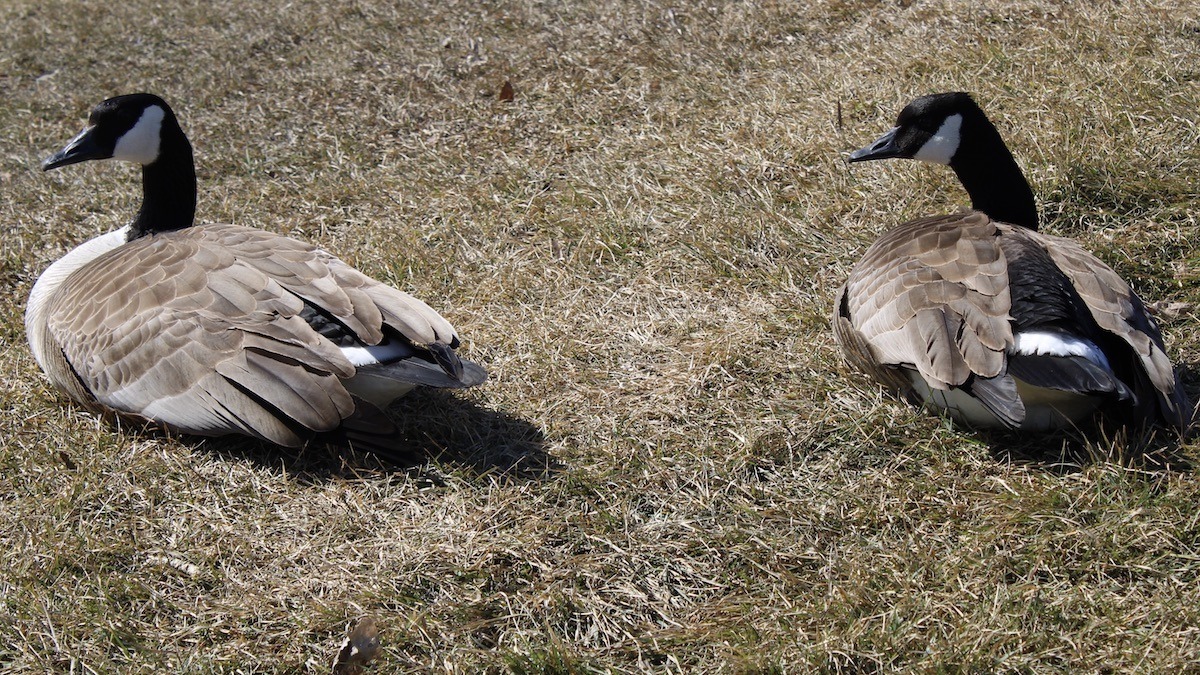
The Great Winnipeg Goose Return
If you’ve stepped outside lately, you’ve likely heard it before you saw it: that unmistakable, rhythmic honk echoing over the Red River. While a few hardy “urban” geese stick around all winter near open water, the real floodgates are opening right now.
It’s late spring now, and we are officially in the thick of the spring migration.
The “Giant” Arrival
Most of the geese we see lounging on the lawns of the University of Manitoba or blocking traffic on Broadway are Giant Canada Geese. This specific population has boomed in southern Manitoba over the last few decades. In fact, they are so successful that they often arrive weeks ahead of their cousins who head further north to the subarctic.
What’s Happening Now?
- The Big Move: Thousands of birds are currently pushing up from the northern U.S. (places like South Dakota and Nebraska), following the “thaw line” to find open water and leftover grain in the fields.
- Nesting Mode: We are entering a critical window. By late April and early May, these pairs—who often mate for life—begin scouting for the perfect real estate to lay their eggs.
- The “Cobra Chicken” Phase: Be careful where you walk! As nesting begins, the geese become famously protective. If you see one lowering its neck and hissing, it’s not just being grumpy—it’s defending a nearby nest.
Fun Fact
Winnipeg is a major hub on the Mississippi Flyway. While many geese stay here to raise their goslings, hundreds of thousands of others are just using our city as a “pit stop” to rest and refuel before finishing their journey to the shores of Hudson Bay.
So, as the grass finally starts to turn green, keep an eye on the skies (and your step on the sidewalks). The “snowbirds” are back, and they’ve brought plenty of attitude with them!
Avoid feeding the geese bread or crackers. It’s not great for their health and can actually discourage them from moving on to better foraging grounds. Seeing them graze naturally on the spring grass is much better for the flock!