Cool new chapters from Spring Short Stories
Welcome to our daily slice of the Spring Short Stories project, a fun experiment where we mix creative arts with seasonal storytelling and AI research. We’ve kept things playful and curious, using these tales to explore how we can build digital literacy while having a laugh with spring-themed stories. It’s all about learning through play and seeing what happens when we let the changing seasons guide our imagination.
These stories help us practice our craft in storytelling and scriptwriting, especially when looking at how spring hits our northern cities and urban spots. By focusing on the messy thaw and the way life restarts, we’re helping new creative talents grow and testing out how technology can help us notice small, fleeting moments. It’s a bit of an experiment, just checking things out, and mostly just a way to share the weird, wonderful feelings of a new season.
Today’s Spring Short Stories

Smashed Carbon Blocks
Author: Jamie F. Bell | Category: Gothic Horror | Genre: Dystopian
Edmund confronts the town elder in a flooded church basement, uncovering a deadly sabotage that demands a violent choice.
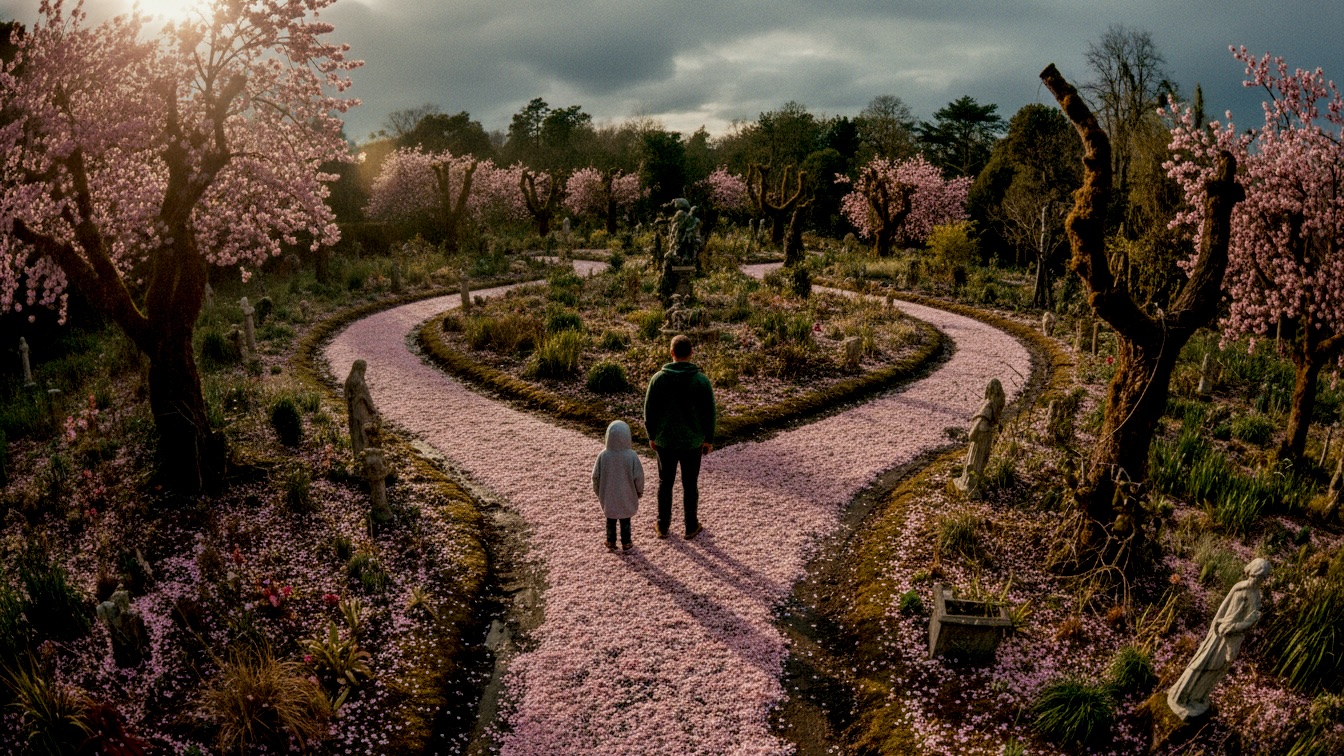
The Rusty Trowel
Author: Eva Suluk | Category: Literary Fiction | Genre: Horror
A man struggles with a simple choice in a garden that seems to be watching his every move.
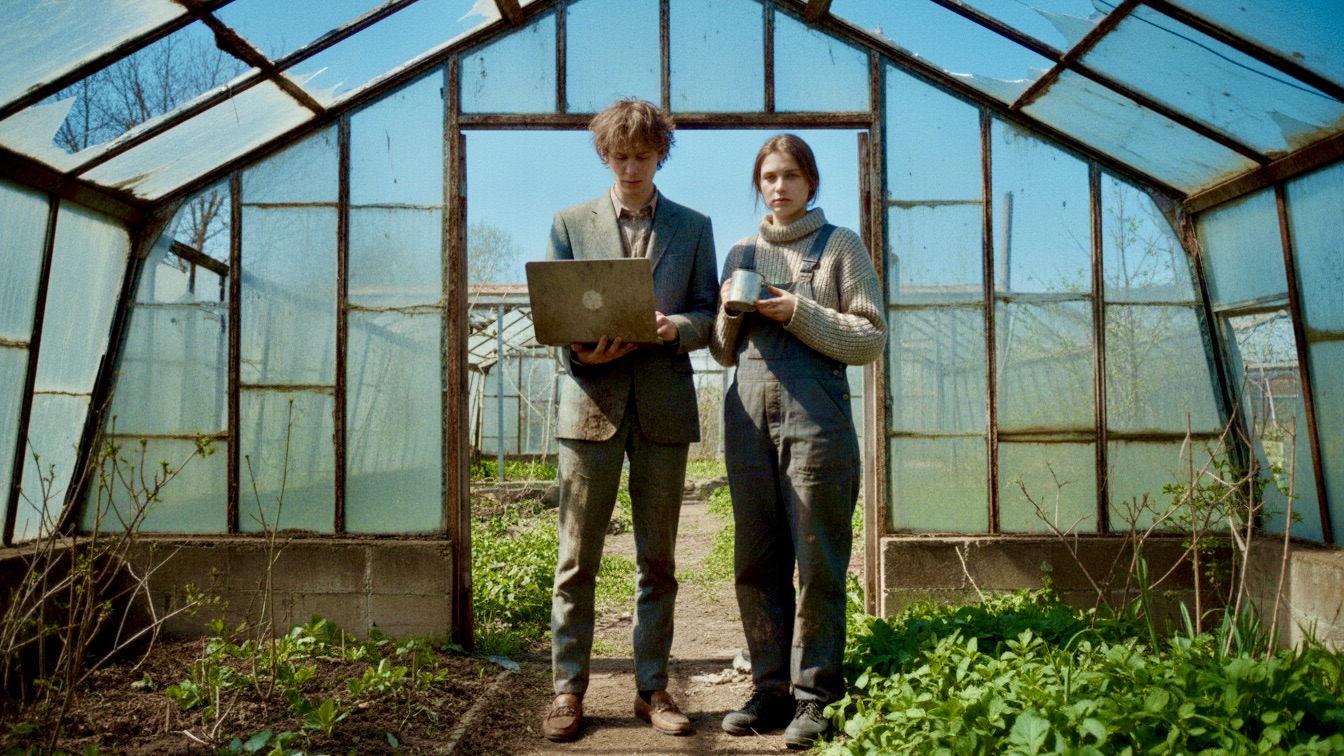
Ruined Leather Loafers
Author: Eva Suluk | Category: Romance | Genre: Motivational
Paul arrives to foreclose a rural property but gets locked inside a greenhouse by a desperate botanist.

Green Coolant
Author: Tony Eetak | Category: Adventure | Genre: Psychological
Ken’s truck gets stuck in the mud just as his unstable former friend arrives demanding a stolen stash.
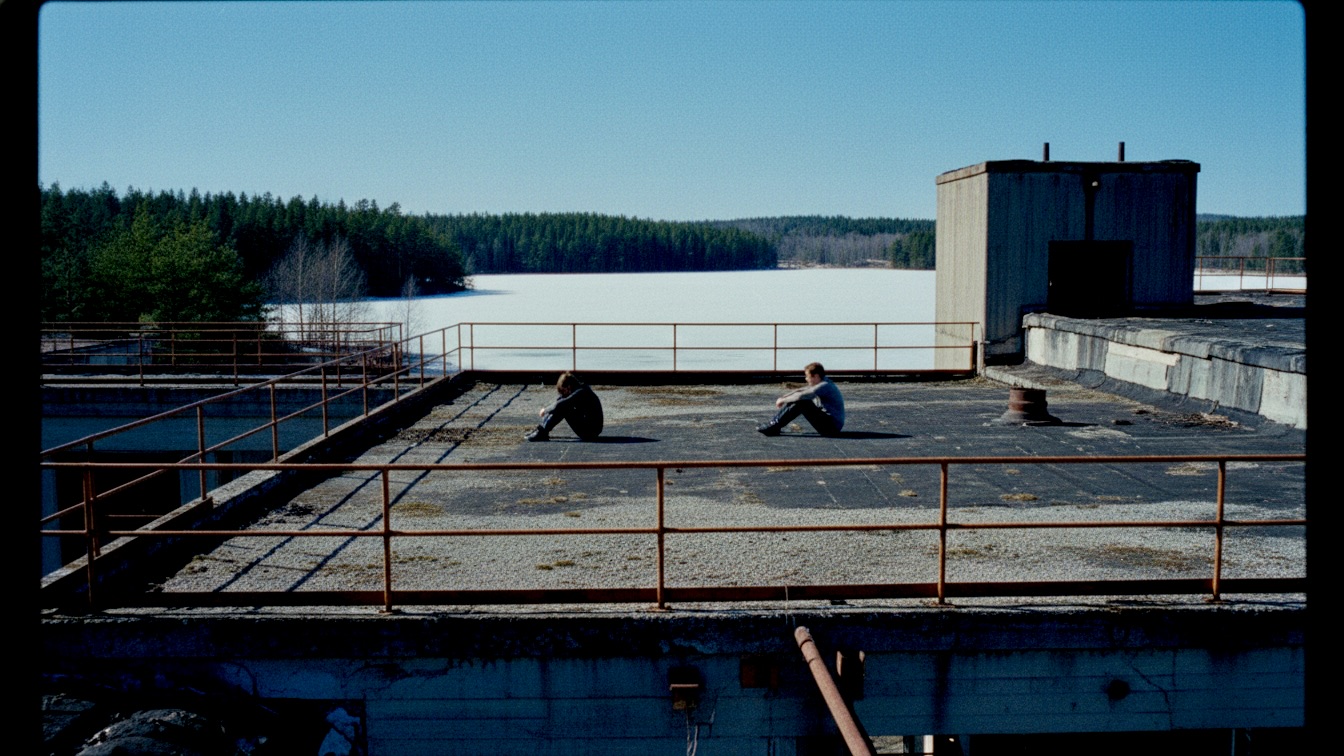
Candle Ice
Author: Leaf Richards | Category: Inspirational | Genre: Coming-of-Age
Sam reveals her university acceptance to Will, triggering a bitter fight about loyalty, guilt, and the dying town.
Design Notes and Applied Research
This daily collection utilizes a broad spectrum of genres—ranging from psychological thrillers to motivational literary fiction—to test the limits of our information management systems. By navigating the distinct structural requirements of Gothic horror and dystopian narratives, we have refined our ability to categorize and deploy complex creative data. These exercises serve as a practical foundation for advancing digital literacy within the arts, ensuring that storytelling remains both agile and technically sound.
This interdisciplinary project successfully bridged the gap between traditional narrative craftsmanship and modern digital workflows. It has been an incredibly rewarding experience to see how diverse subjects like romance and adventure can be integrated into a cohesive technical framework. We conclude this spring-themed series with a deeper understanding of how cross-disciplinary collaboration enhances the production of contemporary art. The lessons learned here regarding storytelling and data organization will inform all our future creative initiatives.