Standing Together Against Gender-Based Violence in Canada
Today, Thursday, May 14, 2026, is Moose Hide Campaign Day across Canada. It’s a national day of action led by Indigenous voices calling for an end to violence against women, children, and all people across the gender continuum. It’s a day that’s meant to feel grounded and real, not distant or symbolic. People across the country are showing up in different ways, but the shared focus is responsibility, reflection, and change.
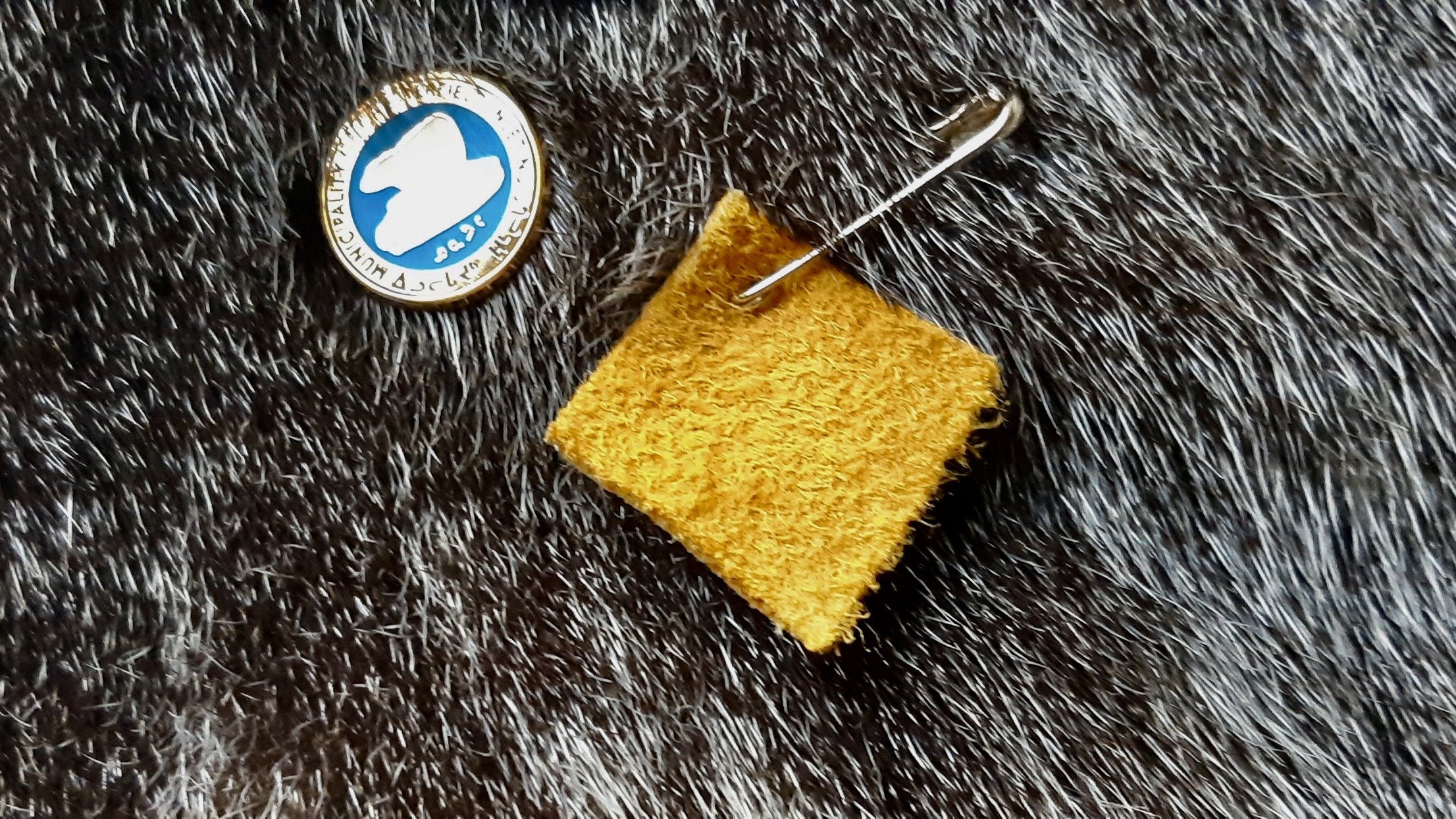
The Moose Hide Campaign began as a grassroots response to the urgent need to address gender-based violence and has since grown into a nationwide movement. At the centre of it is a simple but powerful idea: everyone has a role in ending violence. One of the most visible parts of the campaign is the small moose hide pin, worn by participants as a daily commitment to protect women and children, support healing, and take meaningful action in their own lives.
On Moose Hide Campaign Day itself, communities across Canada take part in ceremonies, fasting, and local walks. The fasting isn’t about hardship—it’s about slowing down, being intentional, and reflecting on how violence shows up in society and what it takes to stop it. In many places, schools, organizations, and community groups also host teachings and gatherings that centre Indigenous knowledge, prevention, and respectful relationships.
What makes today feel important is how collective it is. Even though people participate in different ways, there’s a shared sense of accountability—recognizing that violence isn’t inevitable, and that it can be prevented through everyday actions, conversations, and choices. It’s about listening more closely, showing up differently, and not looking away from harm when it happens.
As May 14 unfolds, Moose Hide Campaign Day is really about one question: what does it look like to actively stand against violence, not just in words, but in how we live and treat each other every day?