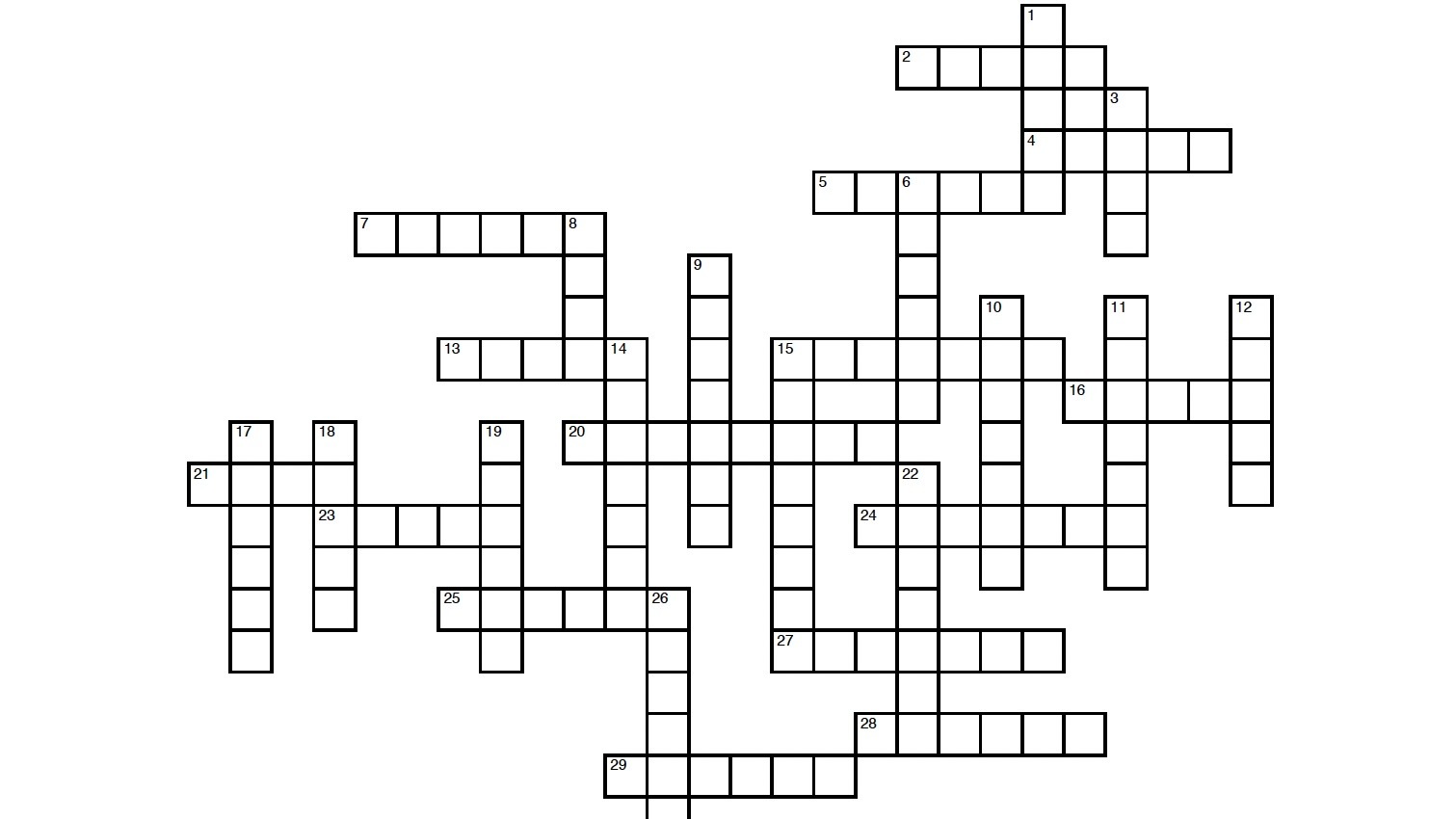
When Crossword Puzzles Became the Unexpected Highlight
It wasn’t planned, honestly. The last few months around the workshops and public sessions for the Deep Geological Repository (DGR) for Canada’s Used Nuclear Fuel Project have been packed with information, meetings, and more technical talk than most people would ever choose to hear in a week.
Somewhere in the middle of all that, we started leaving out a few simple crossword puzzles, mostly just as something quiet for people to do over coffee.
We figured it would be a one-off. A bit of filler. Something to keep hands busy while conversations happened around it.
Instead, it stuck.
Now people are asking for them like they’re part of the program. If there isn’t a fresh crossword printed and sitting on the table, someone will absolutely notice and ask when the next one is coming. It’s turned into its own small routine at the hall.
Why Crossword Puzzles Work So Well in a Community Space
There’s something about crossword puzzles that just fits here.
A lot of folks in the area have been doing newspaper puzzles for years—decades, even—so they don’t mess around when it comes to clues. What started as a simple activity quickly turned into group problem-solving, friendly arguments across tables, and a lot of laughing over whether a word is six letters or seven.
The interesting part is how naturally the puzzles started blending into the actual conversations around the DGR project. Instead of handing out technical sheets full of dense language, we noticed people talking through terms while solving clues together.
Words like bentonite clay or crystalline rock stopped feeling like abstract jargon. They became answers people worked out together, not definitions buried in a report.
It made everything feel more like a local conversation and less like something being presented at people.
Northwestern Ontario Crossword Challenge: Local-Themed Puzzles
The first puzzle we put together was all about place.
We wanted something that reflected where we actually live. Northwestern Ontario has no shortage of landmarks, stories, and everyday details that people recognize instantly—so it made sense to build a crossword around that.
This puzzle pulls in familiar references like the Sleeping Giant, Kakabeka Falls, the Boreal forest, local wildlife, and the kinds of things you only really appreciate when you’ve spent time driving these highways or living near the land itself.
It became less about “getting the answer right” and more about sharing knowledge. One clue turns into a memory. One answer turns into a story.
That’s the part that surprised us most.
Crossword puzzles as a way to talk about Nuclear Waste
The second puzzle goes deeper into the actual science behind the project. Nuclear topics can often feel distant or overly technical at first. Words like isotope, fission, or half-life don’t exactly roll off the tongue in everyday conversation. That’s part of the reason the crossword format works better than expected—it breaks the language down into something approachable.
Instead of reading long technical explanations, people are working through clues that naturally introduce terms like used fuel, shield, canister, and geologic host rock. But, bit by bit, the vocabulary starts to stick.
And once people are familiar with the language, the conversations around the DGR project change. They become more specific, more confident, and a lot more grounded.
It’s no longer “this big complicated thing.” It becomes something people feel they can actually talk about.
Why Printable Crossword Puzzles Keep People Engaged
One of the biggest surprises has been how much people wanted to take these home.
Printable crossword puzzles have become a simple way to keep the conversation going outside of the Rec Hall. People work on them at their kitchen table, bring them back in, compare answers, or challenge friends and family.
It’s low-pressure, but it keeps engagement going in a way that feels natural, not scheduled.
And in a small community setting, that matters. It’s simple, but it works. And sometimes that’s exactly what a community needs.