Post-Humanism Is Rewriting What It Means To Be Human
Humans have always acted like we are the main characters of the universe. Everything revolves around people — our intelligence, our culture, our technology, our systems. But post-humanism asks a pretty uncomfortable question:
What if humans are not actually the center of everything?
That idea sits at the core of post-humanism, a growing movement in art, philosophy and contemporary culture that challenges traditional ideas about humanity, identity and power. It sounds super academic at first, but honestly, post-humanism is already everywhere once you start noticing it.
Artificial intelligence creating artwork. Algorithms shaping relationships. Climate change reminding people humans are not magically separate from nature. Social media turning identity into something partially digital. Post-humanist thinking emerges from all those shifts.
At its simplest, post-humanism questions the idea that humans exist above everything else — above animals, ecosystems, machines or technology itself.
Humans, Technology and Blurred Boundaries
One reason post-humanism feels so relevant right now is because technology has completely changed how people experience everyday life. Phones basically function as extensions of memory. Algorithms influence what people watch, buy and believe. Artificial intelligence is beginning to create images, music and writing that once felt uniquely human.
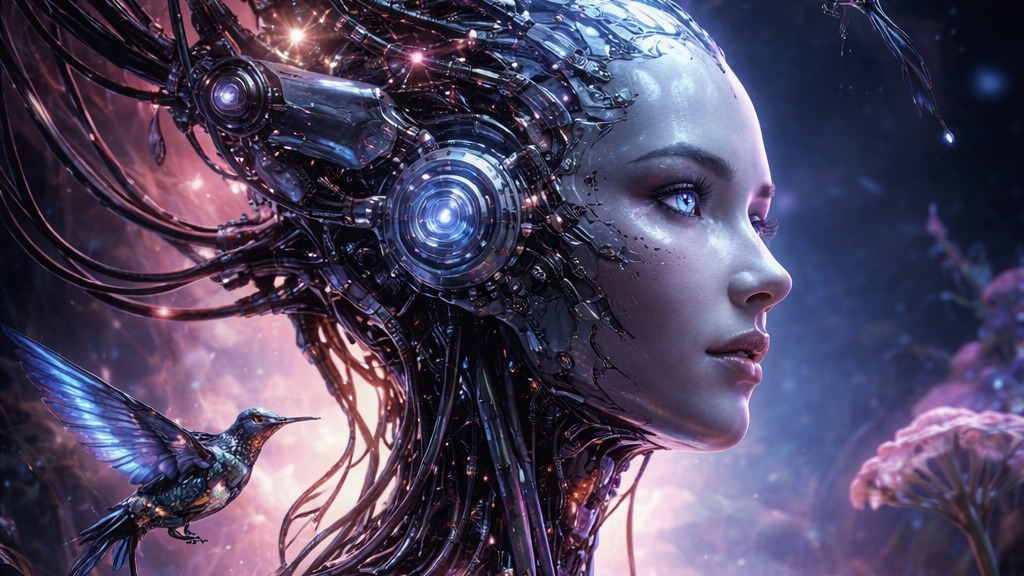
That blurring between human and machine is a huge part of post-humanist thinking.
Instead of viewing technology as just a tool humans control, post-humanism asks whether technology is actively reshaping humanity itself. Are people still fully independent thinkers when algorithms curate most information they consume? What happens to creativity when machines generate art instantly? Where does human identity even end once digital spaces become part of everyday existence?
These questions are why so many contemporary artists are drawn toward post-humanist themes. The ideas feel unsettling, fascinating and impossible to ignore.
Why Artists Are Obsessed With It
Post-humanism gives artists space to challenge assumptions about identity, intelligence and reality itself. Some artists create hybrid human-machine sculptures. Others use artificial intelligence as collaborators. Many explore climate anxiety and ecological collapse through installations that place humans within larger interconnected ecosystems instead of above them.
A lot of post-humanist artwork feels intentionally strange. You might see digital avatars replacing physical bodies, fictional future species adapting to environmental collapse or immersive exhibitions where human voices are blended with machine-generated sound.
The point is not simply looking futuristic. It is about questioning categories people normally take for granted.
What counts as intelligence? What separates humans from animals? Can technology possess creativity? Are humans actually as independent as society pretends?
Post-humanist art thrives inside those blurry uncertain spaces.
Climate Anxiety Changed Everything
Environmental crises have also pushed post-humanist ideas into mainstream culture. Climate change forced a pretty harsh realization that humans are not separate from ecosystems no matter how advanced technology becomes.
For centuries, industrial societies treated nature almost like an infinite resource existing solely for human use. Post-humanism challenges that mindset directly. It argues humans are part of interconnected systems rather than rulers standing above them.
That shift appears constantly in contemporary art right now. Artists increasingly focus on forests, oceans, extinction, pollution and environmental grief while questioning humanity’s relationship with the planet.
Instead of asking “How can humans control nature?” post-humanist thinking asks, “What happens when humans finally recognize they are inseparable from it?”
More Relevant Than Ever
Even if people have never heard the term post-humanism before, they are already living inside many of its questions.
Artificial intelligence is reshaping creative industries. Digital identities increasingly overlap with physical ones. Biotechnology continues evolving rapidly. Climate instability is forcing societies to rethink humanity’s relationship with the environment.
Post-humanism gives artists, writers and audiences a framework for thinking through those massive cultural changes.
And honestly, that is what makes it so interesting. It is not just theory hidden inside universities. It reflects real anxieties and realities shaping everyday life right now.
At its best, post-humanism does not try to provide perfect answers. Instead, it encourages people to rethink assumptions about humanity, technology and the future itself. It asks audiences to imagine what comes after old ideas about human exceptionalism — and whether entirely new ways of existing might already be beginning.