How arts, land-based programming, and community storytelling support wellbeing across Manitoba, Nunavut, and Northwestern Ontario
May is Mental Health Awareness Month in Canada. It’s a time to reflect on the importance of care, connection, and collective wellbeing across communities. It is also a reminder that mental health is not separate from culture, land, creativity, and relationships. It lives in how we gather, how we listen, and how we make meaning together.
For our arts incubator and land lab programming across Manitoba, Nunavut, and Northwestern Ontario, mental health has always been at the heart of our work. Our programs did not begin as “arts programs” in the narrow sense, but rather as responses to urgent community needs, particularly around mental health, suicide prevention, and healing through creative and participatory approaches.
For many of us, the arts became a pathway, not an add-on.
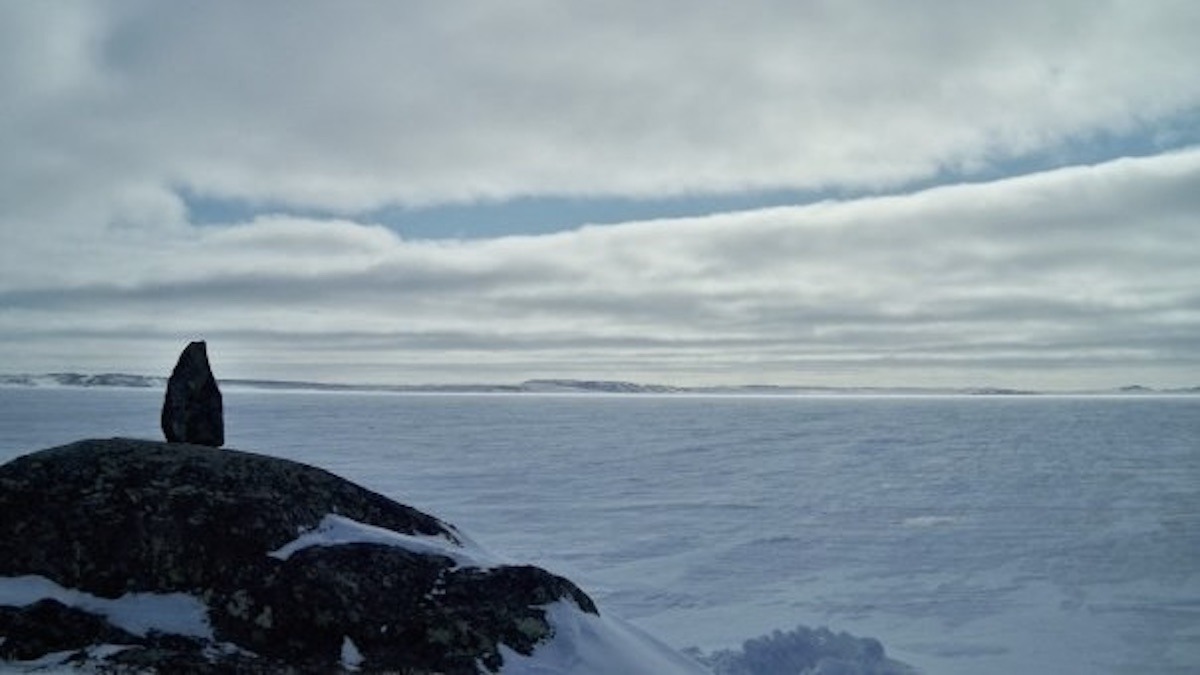
Over time, these programs have grown into spaces where storytelling, land-based learning, and creative practice come together in deeply human ways. Whether on the tundra, the forest, or in urban or rural regions, our focus has remained consistent: creating environments where people can reconnect with themselves, with each other, and with the land.
This kind of work is not abstract. It is grounded in lived experience, in community leadership, and in the understanding that wellbeing is shaped by culture, place, and opportunity. Participatory arts approaches allow people to speak in their own voices, to share stories that matter to them, and to engage in processes that are both expressive and healing.
Mental Health Awareness Month is an opportunity to acknowledge that this work is ongoing. It is also a moment to recognize the importance of supporting programs that centre dignity, cultural continuity, and creative expression as essential parts of mental health and community resilience.
And importantly, it is also a moment to say thank you.
Thank you to the facilitators, artists, Knowledge Keepers, youth workers, and community members who carry this work forward every day—often quietly, often without recognition, and often while holding space for others in moments of deep vulnerability. This is not easy work. It asks a lot of people: patience, presence, emotional strength, and a willingness to show up even when things are heavy.
We also celebrate those who continue to believe in the value of care-centred, land-connected, arts-based approaches to mental health. Those who make space for listening. Those who help others find words, or art, or silence when words are not enough. Those who remind us that healing is not linear, but it is possible—and it is always shared.
Your work matters. And so do you.