Why Community Understanding of Environmental and Weather Data Matters for Long-Term Projects Like Canada’s Nuclear Waste Fuel Repository
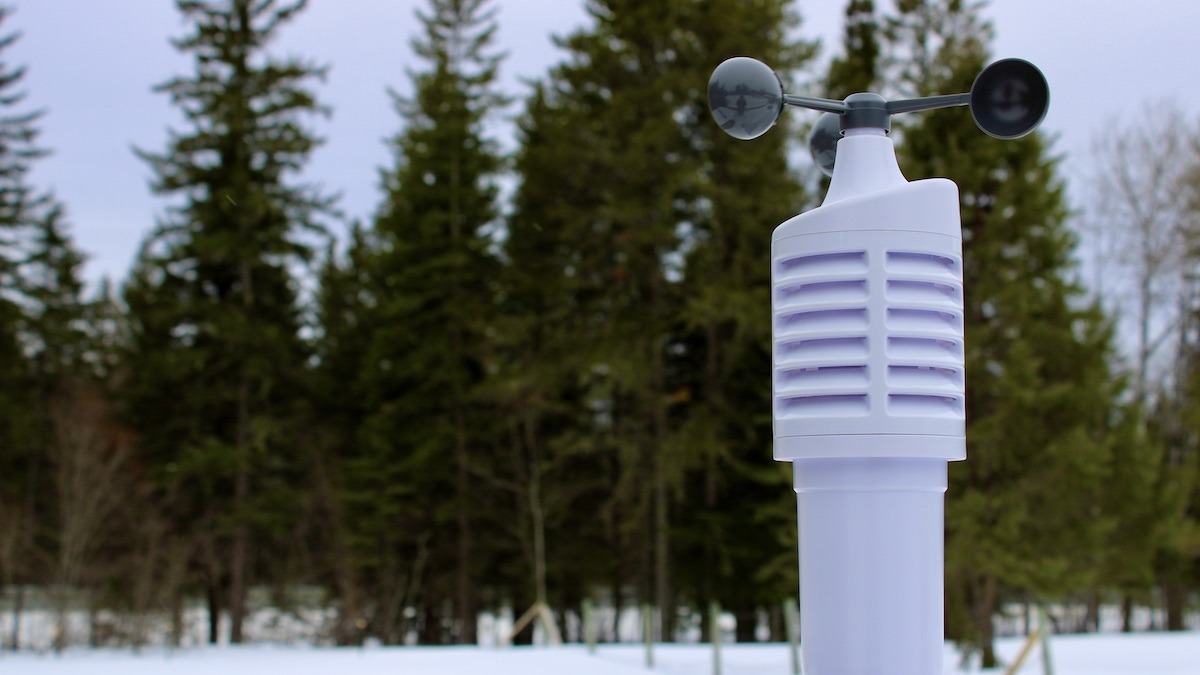
Collecting environmental and weather data means very little if communities can’t actually interpret and use it. A weather station like this can generate thousands of data points, but without access, context, and support, that information stays locked behind technical barriers. For projects like the Nuclear Waste Management Organization Deep Geological Repository, that creates a real imbalance—where decisions may rely on data that only a small group can fully understand.
Community access to environmental data changes that dynamic. When people can see how wind patterns shift, how precipitation trends evolve, or how seasonal temperatures fluctuate, they gain the ability to ask informed questions. They can compare lived experience with recorded data, identify anomalies, and participate more meaningfully in discussions about risk, safety, and long-term impacts.
But access alone isn’t enough. Data needs to be translated—into clear visuals, plain language explanations, and locally relevant insights. It also needs to be grounded in place-based knowledge, including Indigenous knowledge systems that understand environmental change over much longer timescales than most datasets capture.
When communities are equipped to understand and interpret environmental and meteorological data, they’re no longer just observers of a process—they become active participants. That strengthens accountability, improves decision-making, and builds a more credible and transparent foundation for projects that are meant to last for generations.