Canada's federal safety nets are fundamentally broken. Growers are actively fleeing government programs like AgriInsurance because the steep premiums routinely exceed their annual profits. For greenhouse operators, crop insurance protections are entirely nonexistent.
Debt ratios now exceed thirty percent for Canadian potato and greenhouse operations as inflation outpaces agricultural returns.
Canada’s homegrown food supply is under siege, trapped in a vice grip of exploding production costs and a devastating multi-billion-dollar foreign subsidy war. Devastating new data reveals that the profit margins of Canadian fruit and vegetable growers have flatlined or plunged deep into the red, sparking an existential crisis for the nation’s agricultural backbone.
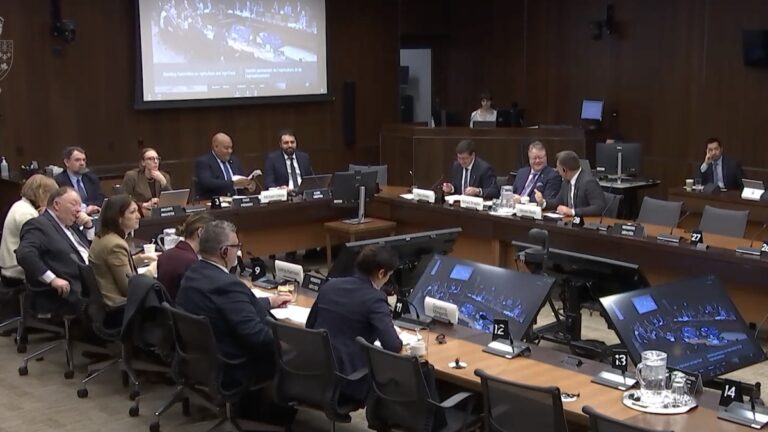
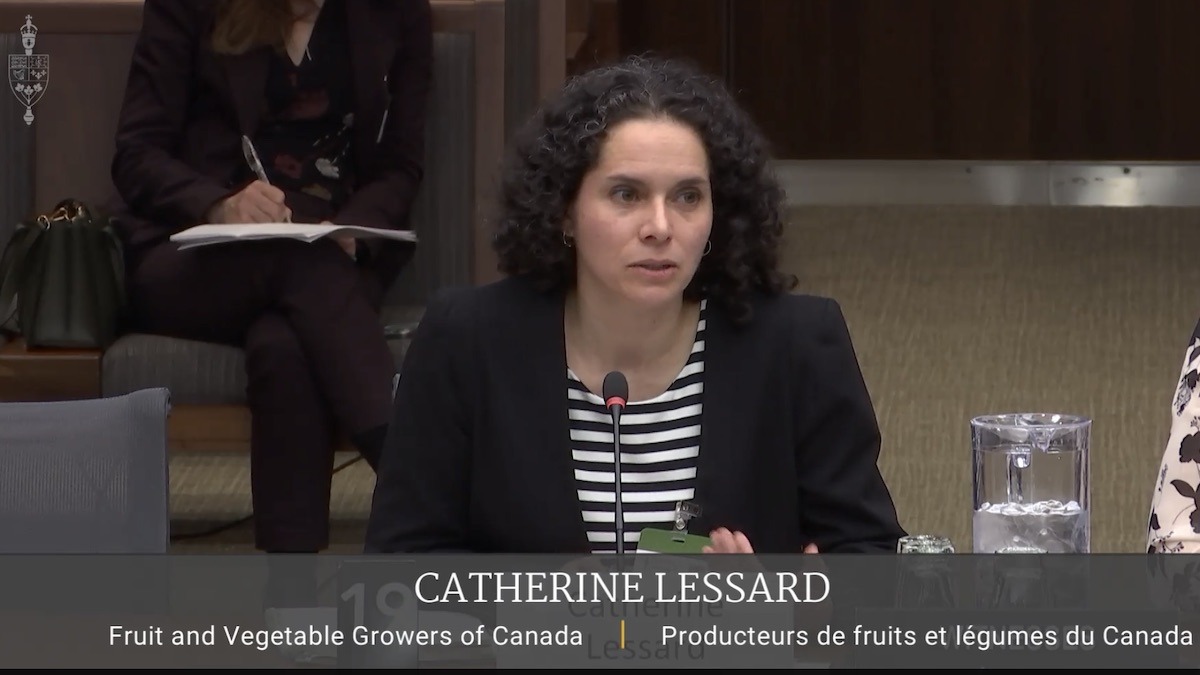
Testifying before the House of Commons Standing Committee on Agriculture and Agri-Food last month, Catherine Lessard, Chair of the Business Risk Management working group for the Fruit and Vegetable Growers of Canada, painted a harrowing picture of a sector on the brink of total collapse. Lessard warned members of parliament that since 2015, the profit margin for fruit and vegetable producers has shrunk considerably. She revealed that greenhouse operations have seen margins cut nearly in half, plummeting from 9% to 5%, while Canadian fruit growers have been forced to operate at an absolute loss for two consecutive years.
The root of the devastation lies just across the southern border. While Canadian growers scramble to pay for skyrocketing labor, fertilizer, and surging interest expenses, they are being aggressively undercut by foreign competitors. Lessard noted that the United States has weaponized its agricultural sector with a staggering $3.65 billion direct payment program specifically earmarked for American specialty crop and vegetable producers.
To put that in perspective, America’s targeted payout to its fruit and vegetable sector alone roughly equals the entire operating budget of Canada’s Department of Agriculture and Agri-Food. Lessard stated frankly that Canadian growers are simply unable to compete with their American counterparts, causing severe, permanent damage to domestic market share.
Unable to pass their ballooning costs down to powerful supermarket conglomerates, Canadian family-owned small businesses are drowning in liabilities. The committee heard confirmation from Catherine Lefebvre, President of the Association des producteurs maraîchers du Québec, that major corporate food retailers have engineered business models specifically designed to shift systemic financial risks and operational costs directly onto the backs of vulnerable vegetable growers.
Lefebvre testified that over the past decade, debt ratios have skyrocketed, breaching the critical 30% threshold for Canadian potato and greenhouse growers. In Quebec, the debt ratio for local vegetable growers climbed from 24% to 27% in just six years, with small businesses bearing the heaviest financial scars.
Worse still, Canada’s federal safety nets are fundamentally broken. Growers are actively fleeing government programs like AgriInsurance because the steep premiums routinely exceed their annual profits. For greenhouse operators, crop insurance protections are entirely nonexistent.
Meanwhile, federal programs like AgriStability have proven utterly useless against back-to-back climate disasters. Patrice Léger Bourgoin, General Manager of the Association des producteurs maraîchers du Québec, detailed how under current rules, if a farm suffers two disastrous years out of five, the baseline calculation zeroes them out, leaving desperate farmers waiting up to two full years to receive a single dime of government relief.
If the federal government fails to overhaul its agricultural policy framework, industry leaders warn the damage to Canada’s food independence will be permanent. Lessard concluded in a chilling final warning to Ottawa that without an immediate injection of funds, a lower AgriStability trigger threshold of 15%, and a permanent expansion of the advance payment program’s interest-free loan portion to $350,000, fields across the country will fall silent. Producers will be caught in a spiral of bad years, debt, bankruptcies, and the sale of land to real estate developers, which poses a real risk to our country’s food security.
About the Author