The spots that sit between home and work and why sociologists still care about them. And you should too.
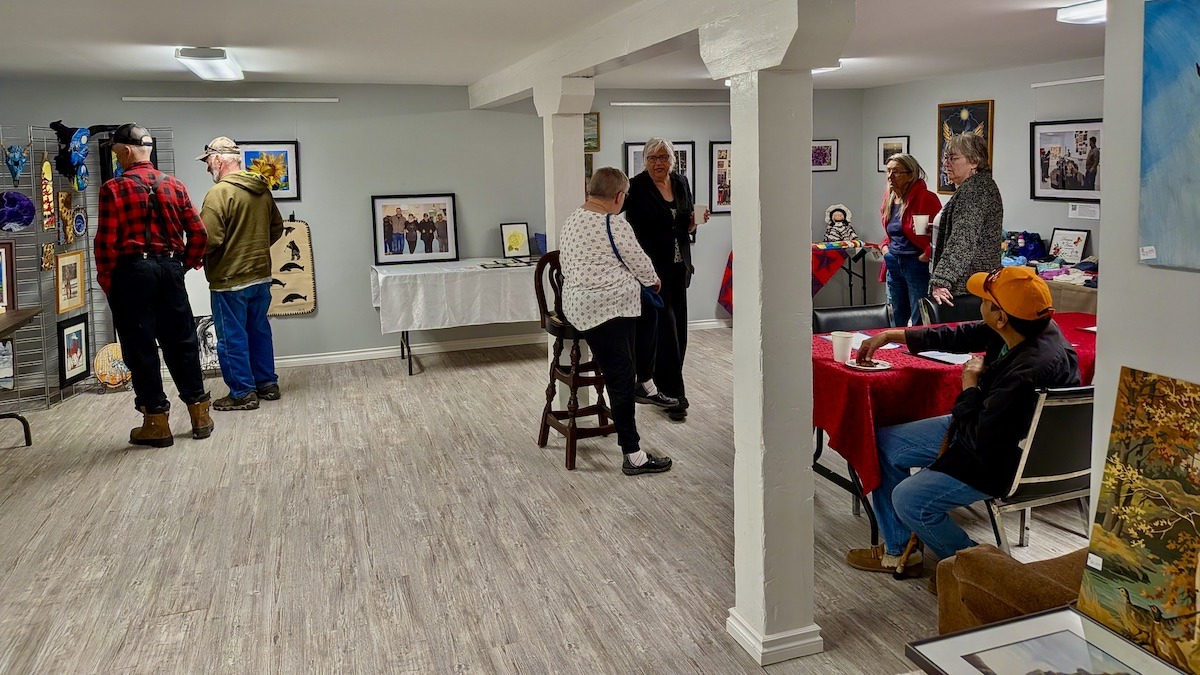
Most of us bounce between two main spots: home (the first place) and work or school (the second place). Home is private. Work has rules and expectations. Everything else—the coffee shop where the same faces keep showing up, the library corner, the community centre lobby, the park bench—falls into a third category.
American sociologist Ray Oldenburg coined the term in his 1989 book The Great Good Place. He defined third places as public or semi-public settings where people gather regularly, voluntarily, and informally just to be around other people. Conversation is usually the main activity. The mood stays relaxed and playful. Regulars set the tone, but newcomers aren’t out of place, and status from the rest of life fades once you’re there. Research by Ray Oldenburg laid out the classic characteristics that still define these spaces today.
Research by Ray Oldenburg and Karen Christensen showed these spots have long supported democracy and civic life by giving people from different backgrounds a chance to talk. In the 2023 updated edition of the book, Christensen argues they also help counter loneliness, political polarization, and the need for community resilience.
In Canada the idea lands differently because of long winters, suburban sprawl, and rising costs. Many neighbourhoods still separate homes from shops and services, so walking to a casual hangout isn’t always easy. Yet the need is clear. Research by YMCA Canada in its 2024 national survey found that people who already have at least one third place report stronger feelings of belonging and connection than those who don’t.
Current challenges include prices that turn once-casual spots into places where you feel pressure to buy something and keep moving, plus the habit of staying home that lingered after the pandemic. The real opportunity sits in the places that already exist and cost little or nothing: public libraries, parks, YMCA centres, and community halls. Organizations that keep these spaces open, warm, and welcoming are doing important work. Individuals can start simply by treating a local library or park as a regular stop instead of a one-off visit.
Third places don’t have to be fancy. They’re the everyday rooms where community happens when nobody is forcing it.
This fall and winter we’re shifting gears. After months of heavy focus on physical infrastructure, our program is back to being largely virtual while many people are away for school and work. That gives us space to dig into the less visible side of community-building: board and governance models, organizational development, and clear pathways for creative leadership and succession. Each week we’ll be unpacking one of these pieces, because strong third places don’t just need good rooms—they need healthy organizations behind them.