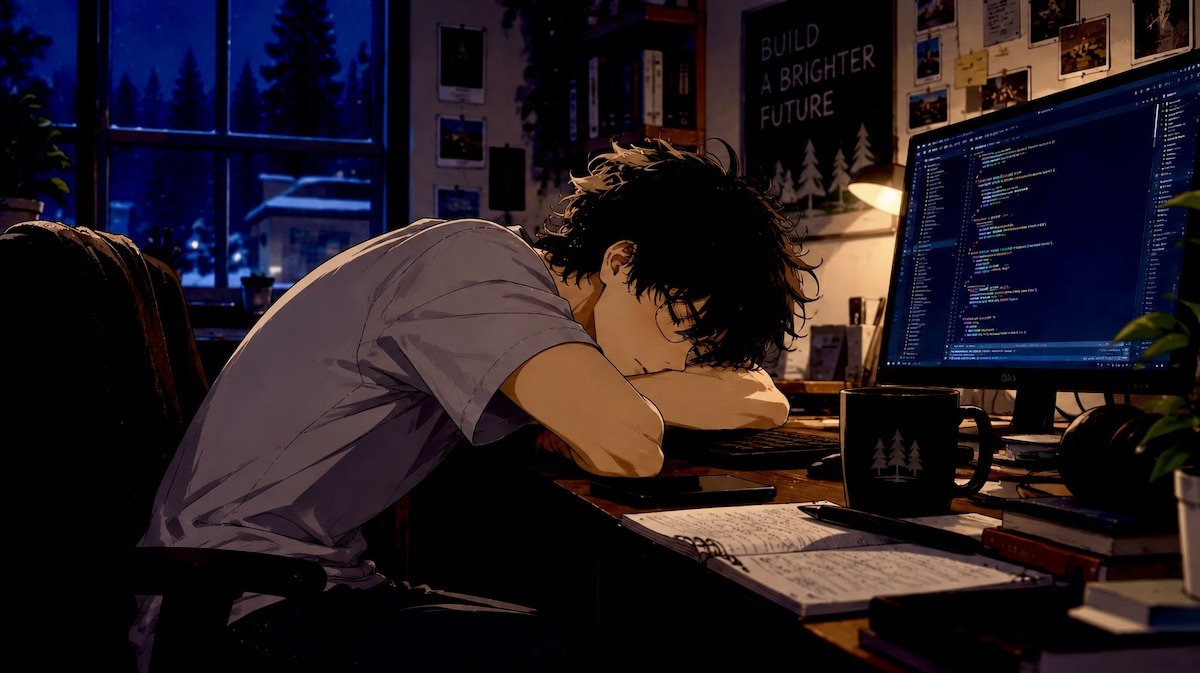
AI is changing more than creative tools. It’s changing the time and cost of building the systems we rely on.
Most conversations about AI seem to focus on images. The generated illustrations, strange experiments and new creative tools get most of the attention. We enjoy making images with AI too. It’s fun, and it has found a place in some of our creative activities. But there’s much more happening behind the scenes.
A lot of our interest is in building things. We’re using AI-assisted development to create software, improve our websites, develop publishing systems and take on technical work that would previously have required outside developers and substantial budgets.
This also changes what we spend money on. Instead of paying for a growing collection of commercial themes, page builders, premium plugins and subscriptions, we’re building many of those capabilities directly into our own infrastructure. We have more control over how things work, what gets added and how our systems develop. The money and time that would otherwise go towards software licences and external development can go back into our programming and community work.
The same applies to the everyday work of running an organization. Websites, publishing, documentation, research, data management and communications all involve systems that take time and money to maintain. We’re exploring ways to connect these activities and build tools around how we actually work, rather than continually adapting our work to someone else’s software.
For small organizations, this is a really significant change. Building custom software has traditionally been expensive, and maintaining it can be just as difficult. We can now take on much more of that work ourselves, develop our own technical skills and keep the resulting infrastructure within the organization.
Yes, we use AI to make images, write code, experiment with ideas and have a lot of fun along the way. But perhaps the most valuable thing we’re gaining is learning how to innovate, work faster and approach familiar challenges differently.
We’re picking up skills, trying things we might not otherwise have had the time or resources to attempt, and finding better ways to manage the work behind the scenes. That means less time tied up in technical tasks and more time for the things we really enjoy: working with our hands, making art, building things, getting outside and supporting human-driven creative activities in our communities.
The technology is interesting, but what it gives us more time to do is what really matters.