Cool new chapters from Spring Short Stories
Welcome to our daily collection of spring short stories, which comes from our ongoing creative arts, seasonal storytelling, and AI research initiative. This project is playful and experimental, focusing on learning, curiosity, and building digital literacy through these spring narratives as we explore the world around us.
These stories help us with our goals in storytelling, scriptwriting, technology, and creative talent development, focusing on spring in urban environments and Northern city experiences. Everything here is exploratory and experimental in nature, as we learn to notice and share the fleeting moments that happen during the spring season.
Today’s Spring Short Stories

The Broken Ledger
Author: Jamie F. Bell | Category: Mystery | Genre: Literary Fiction
Clara discovers the town’s history is being rewritten and finds a hidden list of the people who disappeared.
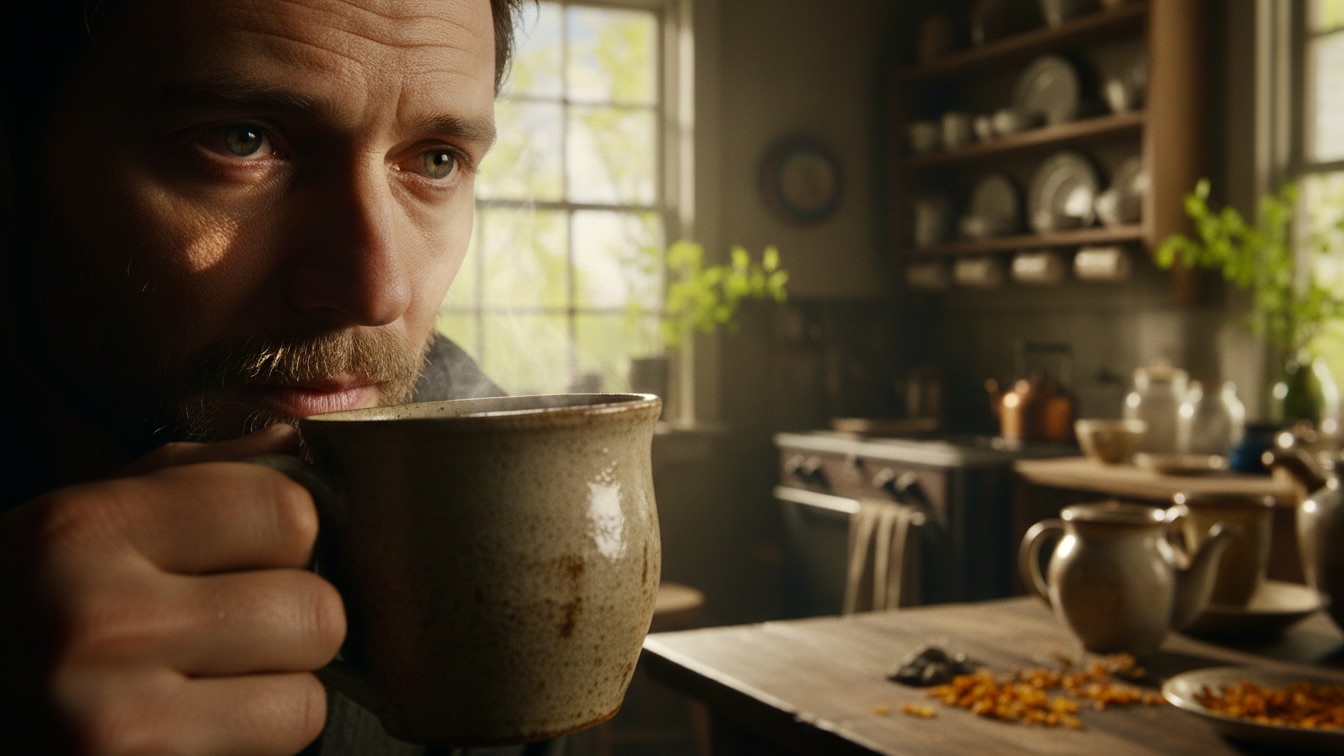
The Labrador Tea Tin
Author: Eva Suluk | Category: Gothic Horror | Genre: Psychological
Randy confronts his grief through a tea ritual while the house around him seems to breathe and decay.

Salt and Concrete
Author: Jamie F. Bell | Category: Adventure | Genre: Literary Fiction
A cynical fixer discovers his humanitarian work is a data-mining front while attempting to exploit a grieving protester.
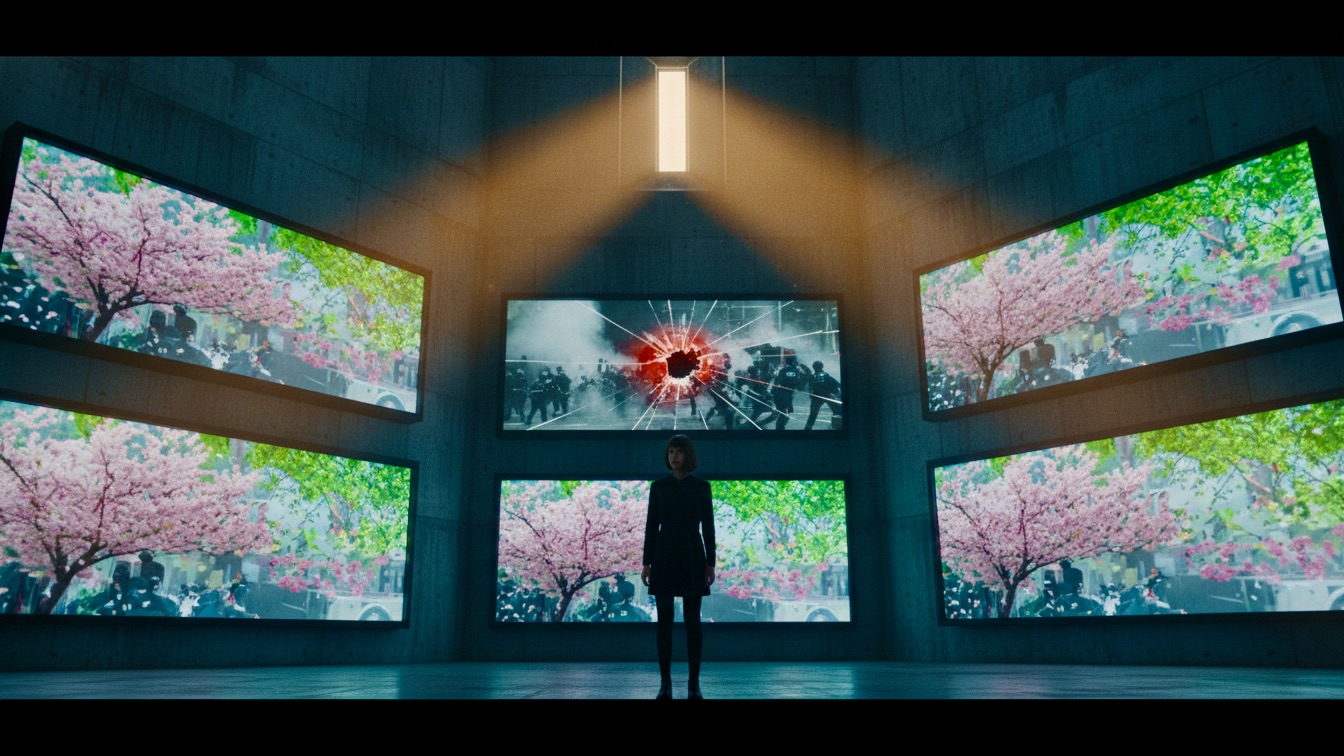
Black Screen Static
Author: Leaf Richards | Category: General Fiction | Genre: Thriller
Stacey watches her sister face certain arrest on a thirty-second delay while her supervisor demands a perfect broadcast.

The Red Filter
Author: Leaf Richards | Category: Adventure | Genre: Coming-of-Age
Jay discovers his city is a lie and joins a rebellion to see the world as it truly is.
Design Notes and Applied Research
This daily collection utilizes diverse genres, ranging from psychological thrillers to literary fiction, to examine how complex narrative structures support modern skills development. By navigating the technical demands of gothic horror and adventure fiction, we have explored the vital intersection of creative expression and digital literacy within the arts. These varied subject categories serve as a practical framework for testing new methods of information management and digital content organization.
This spring-themed initiative functioned as an interdisciplinary project that successfully merged creative writing with systematic data handling. Our team gained valuable insights into the mechanics of storytelling while refining the collaborative workflows necessary for high-volume digital production. The process was an enriching experience that demonstrated the practical benefits of applying technical rigor to the creative arts.