A Promising Start to Local Food Production
After a long winter and months of patient tending, a promising apple orchard project in Northern Ontario is beginning to show the fruits of its labour—literally and figuratively. Thanks to support last year from the Manitoba Agriculture Indigenous Food Systems and Agriculture Program and the Sustainable Canadian Agricultural Partnership (SCAP), last year’s pilot of five young apple trees has not only survived the cold season, but is now paving the way for expansion.
This spring, the orchard is preparing for its next big step: planting 30 additional apple trees, a significant leap forward in what is envisioned as a long-term strategy for food sovereignty, local resilience, and land-based learning.
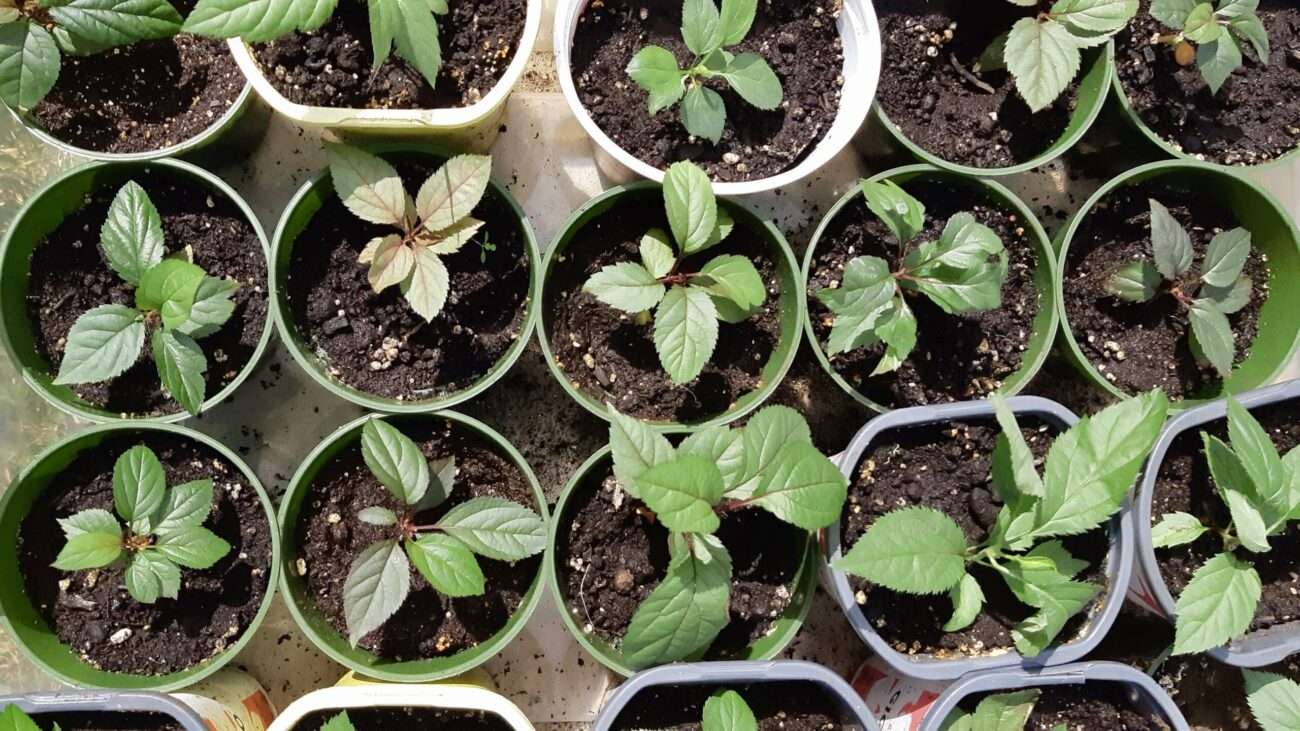
The seedlings, photographed in their early stages of life, are healthy, green, and full of potential. Grown in containers and nurtured from winter through early spring under careful supervision, these young trees represent more than just future fruit—they embody the promise of a revitalized local food system grounded climate-conscious agriculture, and community self-reliance.
A Northern Climate, A Delicate Art
Unlike southern commercial orchards, these apple trees were already growing in the area, and selected for cold hardiness, early flowering, and shorter growing seasons. They are chosen not just for their ability to survive, but to thrive in a climate where late frosts, high winds, and variable rainfall can quickly test a tree’s resilience.
The Long Road to Food Sovereignty
This orchard is just one piece of a broader vision to reintroduce and support regionally adapted agriculture across northern Indigenous and rural communities. With the price of imported fresh produce climbing—and supply chains vulnerable to climate and economic disruptions—local production is becoming more than just a dream. It’s a necessity.
Supported by Partnership and Policy
None of this would be possible without key partnerships. Last year’s pilot program, supported by Manitoba Agriculture Indigenous Food Systems and Agriculture Program provided not just financial support, but helped frame the project through an Indigenous lens, where respect for the land and community-led decision-making remain at the forefront. The Sustainable Canadian Agricultural Partnership, a federal-provincial-territorial initiative, was key to the vital resources needed to kickstart the effort.

A Growing Future
The next few years will be critical for the orchard. As the original five trees continue to mature and the 30 newcomers are planted and tended, community members will monitor soil conditions, pruning schedules, pollination patterns, and pest control—all while training the next generation in the timeless rhythm of orchard life.
But judging from the strength of the saplings now pushing their way toward the sun, the future of this northern apple orchard is looking bright.