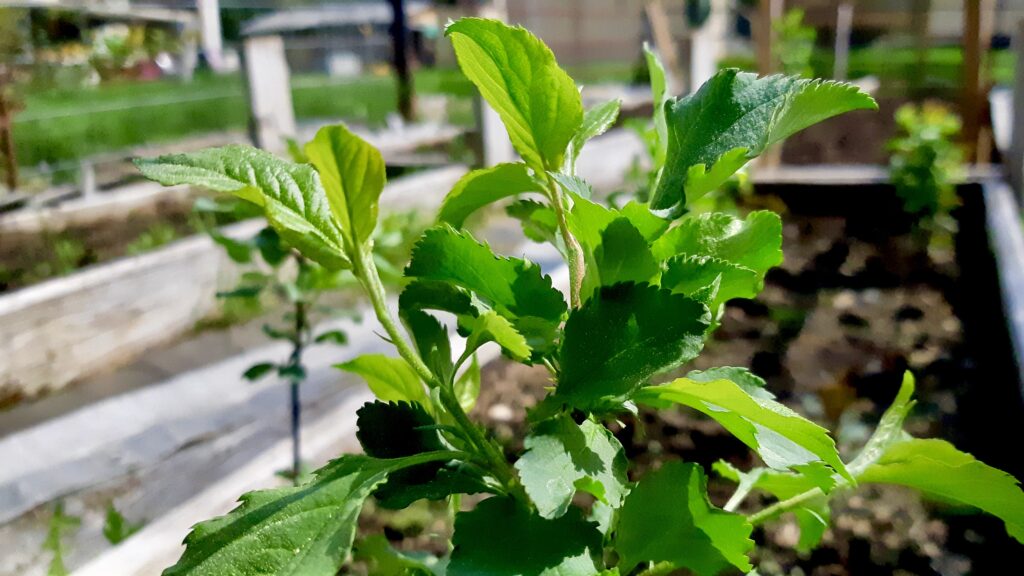
The Living Land Lab at Borups Corners:
Art, Community, and Small-Scale Food Security
The Living Land Lab is a small-scale, land-based program in Melgund Township, Northwestern Ontario. Centred around the rural communities of Borups Corners and Dyment, this outdoor space brings together integrated arts, culture, and quiet ecological exploration.
Designed as a rural counterpart to our urban Winnipeg Arts Incubator hub, the Land Lab provides a dedicated space to step outside, slow down, and connect with the land. Spanning 10 acres of natural trails filled with native plant species, it serves as a modest outdoor studio, a place for community learning, and a home base for our local food security initiatives.
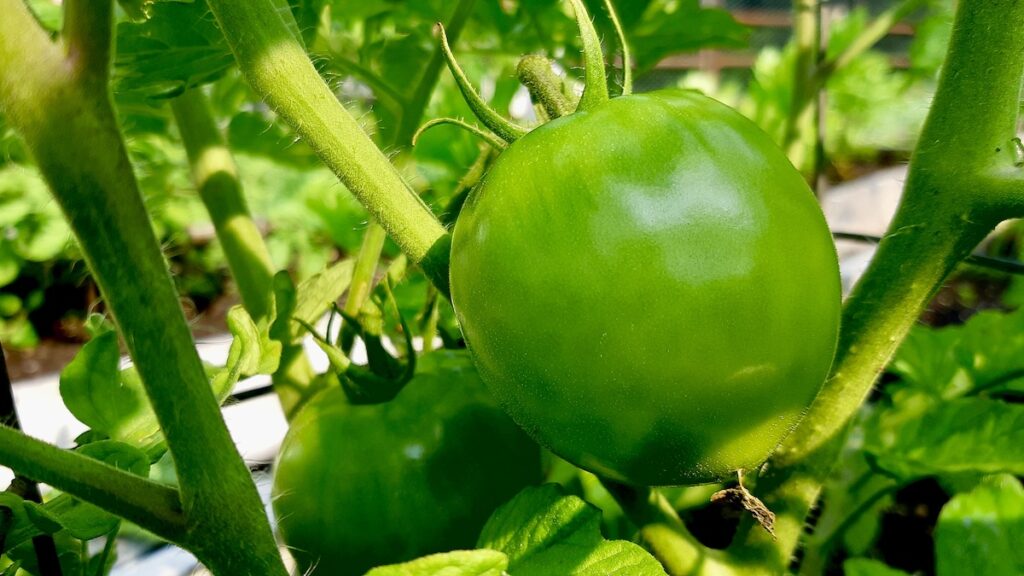
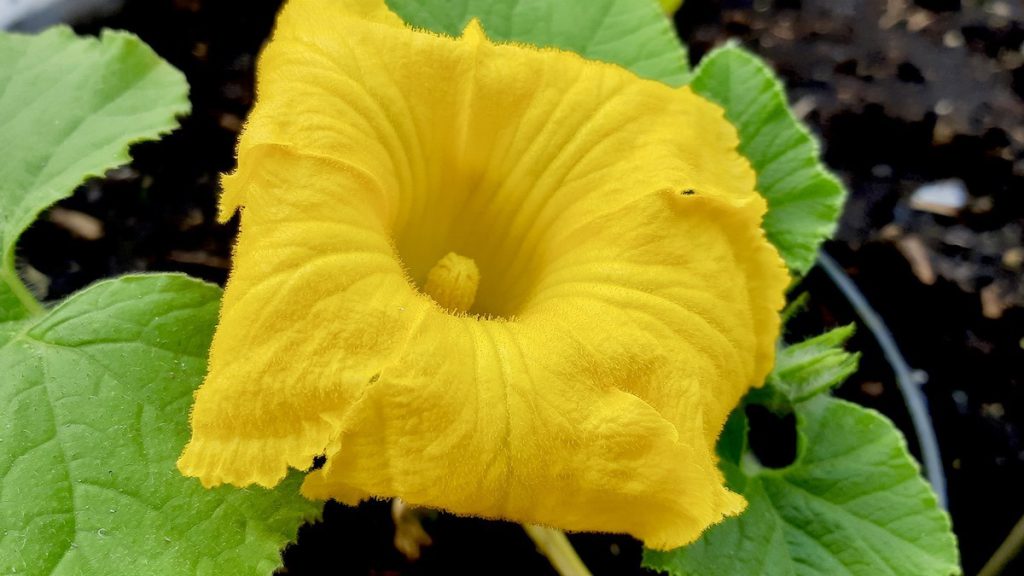
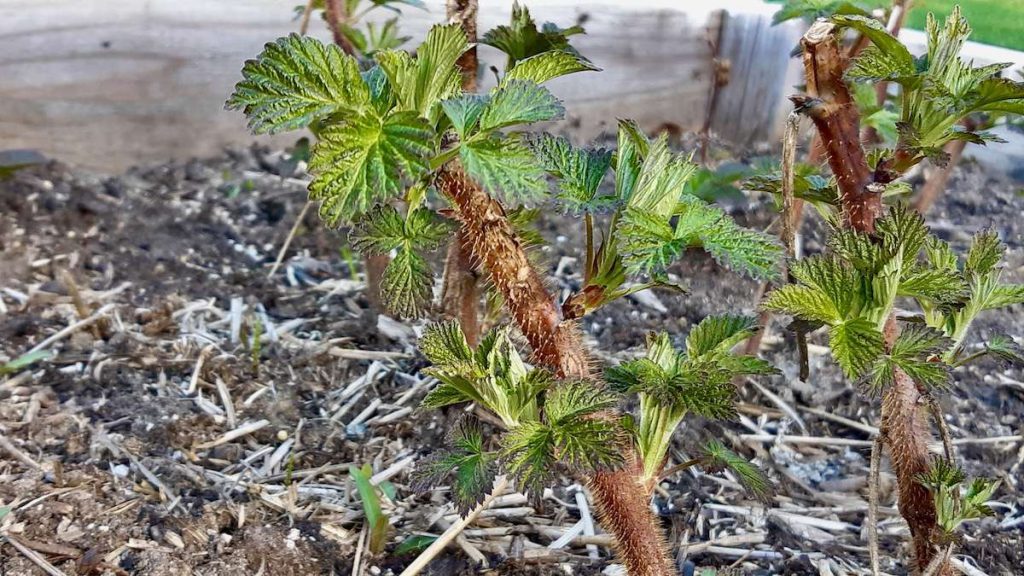
Community Gardening and Small-Scale Food Production
The Living Land Lab is a community-driven program focused on local food security and small-scale food production in Northwestern Ontario. By weaving community gardening into our creative spaces, we explore how artistic practice can gently integrate with nature.
Participants learn to grow food, study the local ecosystem, and draw inspiration—and sustainable materials—directly from the land. It is a practical, hands-on approach to environmental interaction, scaled to focus entirely on the immediate needs of our neighborhood.
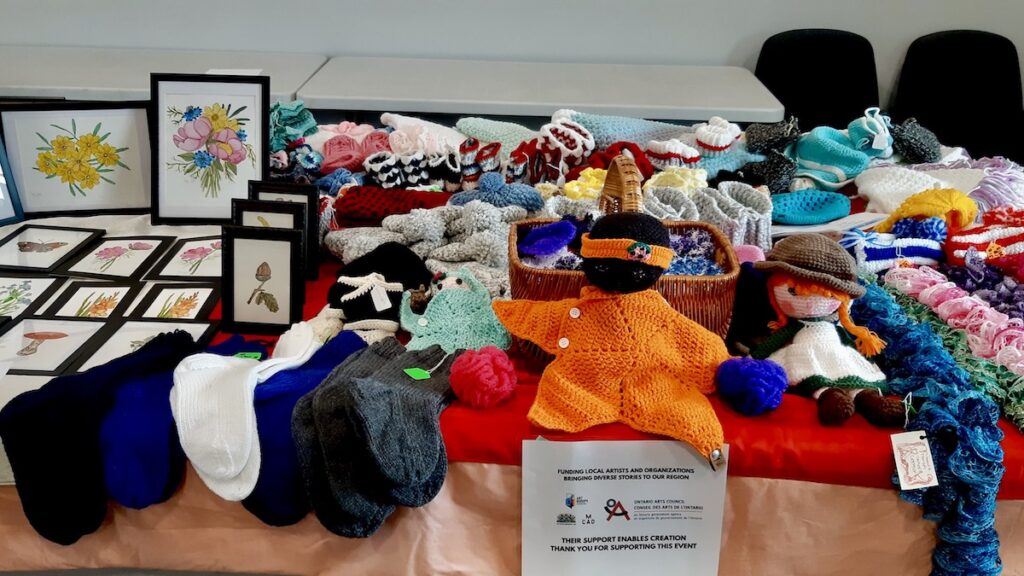
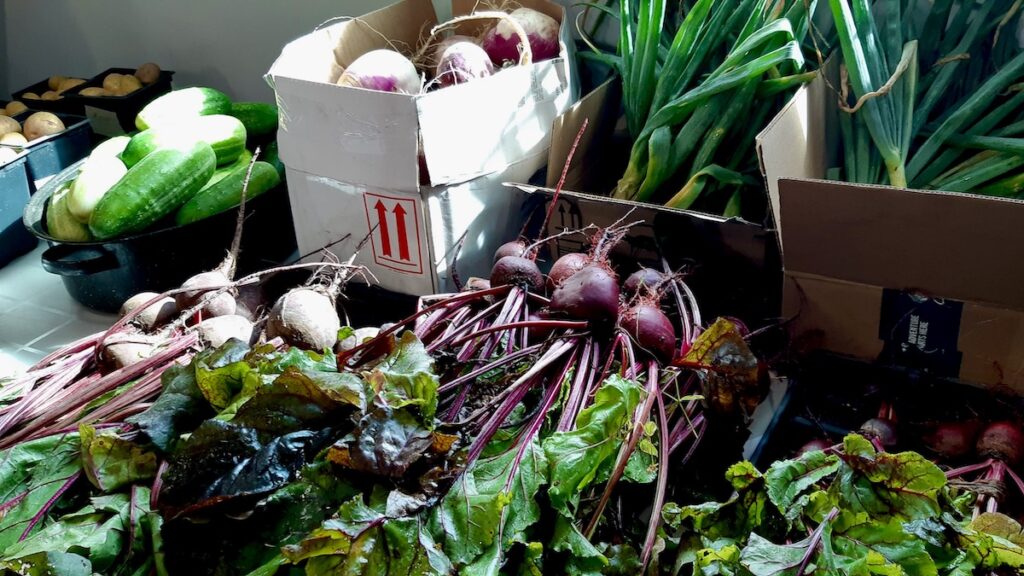
Our Approach: Artist Residencies and the Living Lab Model
We use a strategic blend of artist-in-residency programs and living lab approaches to guide our work. We host artists interested in site-specific installations and land art, encouraging them to create work that responds directly to the unique spirit and quiet atmosphere of Borups Corners and Dyment.
Our living lab framework connects art and ecology through conversation. Artists, community members, and the land itself work in tandem, using arts-based and community-based participatory research to explore and deepen our relationship with the local environment.

Summer Projects: Intergenerational Learning and Participatory Research
During the summer months, the Land Lab becomes a gathering space where youth, Elders, and neighbors work side-by-side on a variety of modest, land-based projects.
We rely heavily on sharing traditional skills and ecological knowledge through community-based research. This intergenerational teamwork ensures that regional wisdom is passed along and kept alive. Our regular activities include:
- Plant Walks: Learning together to identify native flora and connect with the history of the land.
- Skill-Sharing Workshops: Transmitting practical, traditional skills and ecological insights between generations.
- Oral History Storytelling: Creating space for community members and Elders to share stories, keeping local history woven into our contemporary understanding of the area.
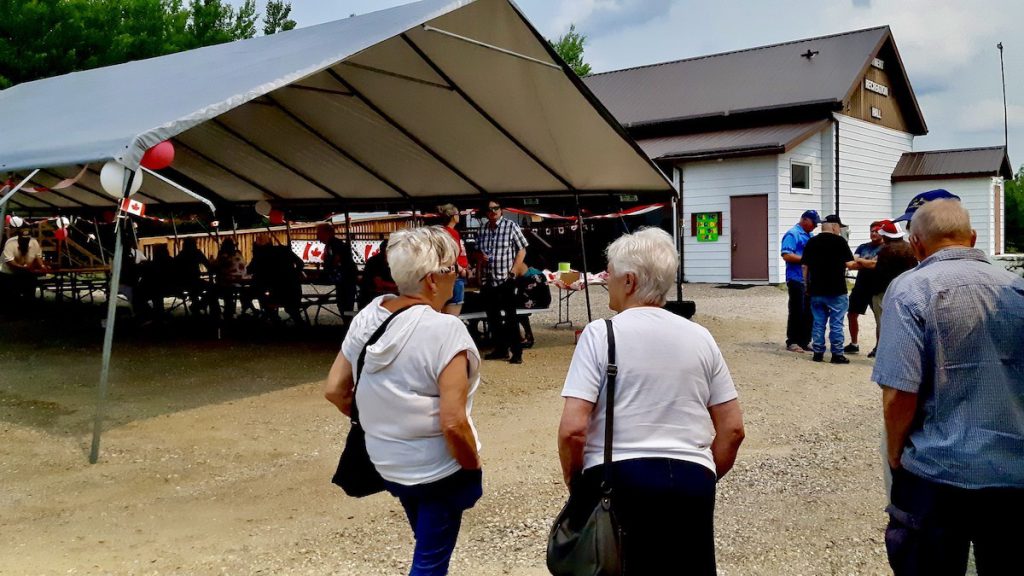
Building Capacity as a Northwestern Ontario Non-Profit
As a small non-profit operating in Northwestern Ontario, the Living Land Lab is an essential part of how we build our organizational capacity.
By hosting community events, tending the gardens, and managing these summer programs, our team and volunteers gain valuable, practical experience. Every project we run helps us grow our skills, strengthen local partnerships, and build a more resilient foundation so we can continue supporting our community.
Our Roots and Supporting Partners
The Living Land Lab was first initiated in 2014 and formally established in 2021 as a core part of The Arts Incubator’s pilot programming, made possible by initial funding from the Canada Council for the Arts Digital Greenhouse.
In 2022, the program was further seeded through the arts with support from both the Canada Council and the Minneapolis College of Art and Design (MCAD) Creative Entrepreneurship program.
Between 2023 and 2024, we expanded our focus into small-scale food security and food production. This growth was guided and backed by a network of partners who funded and supported our community-centered mission:
- Manitoba Agriculture, which provided critical funding for our pilot work, allowing us to establish and grow our early food security initiatives.
- The Sustainable Canadian Agricultural Partnership, whose funding allowed us to expand local food production, support community events, and build our capacity to serve Borups Corners and Dyment.
- The MCAD Creative Leadership and Master of Arts in Creative Leadership programs, which helped us develop our community-based participatory research models.
