Art Borups Corners: Supporting Rural Innovation and Land-Based Arts in Northwestern Ontario
Art Borups Corners was built from a clear desire to create a program of our own. In the rugged bush of Northwestern Ontario, traditional arts support has often been out of reach. For the people living here, the distance between communities is a defining reality that shapes daily life, access to opportunity, and participation in broader cultural and economic systems. This gap in support pushed local creators, youth, and community members to stop waiting for outside investment and begin building a creative and community infrastructure rooted directly in the place where we live.
Based in the small, unorganized community of Borups Corners and seeded by the Canada Council for the Arts Digital Greenhouse, the program was designed as a hub for land-based arts, rural experimentation, and community resilience.
What began as grassroots experimentation has evolved into a living laboratory where northern voices contribute to regional, national, and international conversations surrounding sustainability, creativity, environmental stewardship, rural futures, and emerging technologies.
As a sister site to The Arts Incubator Winnipeg, Art Borups Corners operates through a hybrid model that brings together professional art production, environmental engagement, rural innovation, food security initiatives, and interdisciplinary community development. Instead of treating remote geography as a limitation, we approach the North as a site of possibility — a place where experimentation, collaboration, and new models of resilience can emerge directly from lived experience.
Our work is deeply informed by the realities of northern life. Limited infrastructure, geographic isolation, climate pressures, economic uncertainty, and shifting regional development all shape the context in which we operate. At the same time, these realities have encouraged adaptability, creativity, resourcefulness, and strong place-based relationships. The Land Lab was created in response to these conditions, functioning not simply as a cultural initiative but as a broader platform for collaborative problem-solving, experimentation, and community participation.
The Land Lab: Where Art and the Boreal Forest Meet
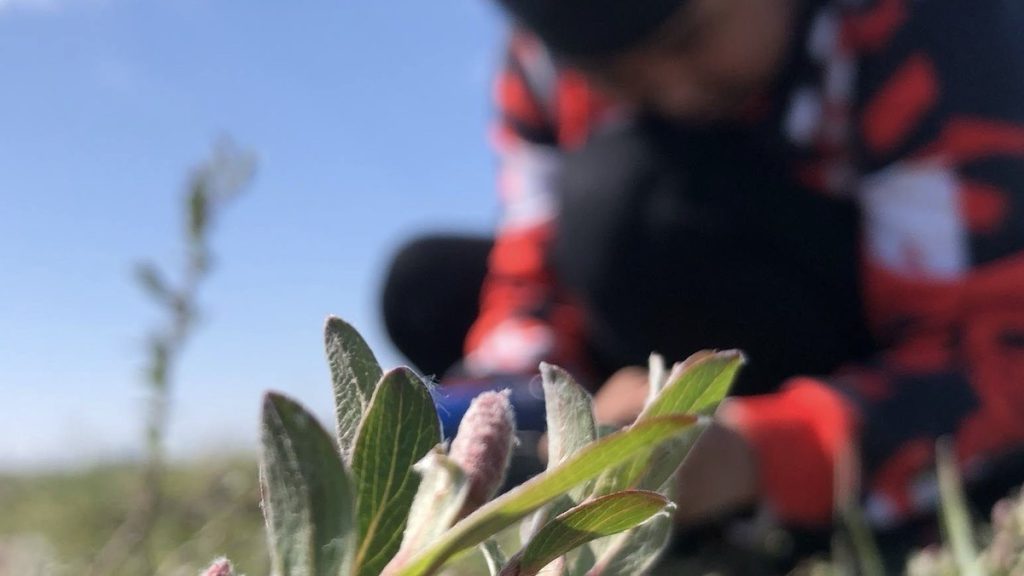
At the centre of our work is the Art Borups Corners Land Lab — a 10-acre site of boreal forest, trails, gardens, outdoor workspaces, and experimental growing areas where artistic practice, environmental stewardship, food systems, and community engagement intersect. The Land Lab functions as a seasonal living laboratory where the boundaries between art, ecology, education, technology, and daily survival intentionally blur.
Artists and creators engage directly with the land through hands-on experimentation, environmental observation, creative practice, food production, and collaborative learning. The Land Lab encourages people to think critically about how northern communities adapt to environmental change, sustain cultural continuity, and build resilience in the face of long-term uncertainty.
Unlike conventional research or innovation spaces, the Land Lab operates through an adaptive and participatory model. Projects evolve organically through conversations, experimentation, and community involvement. Artists, youth, local residents, researchers, environmental practitioners, and visiting collaborators all contribute to shaping the direction of the work. This flexible governance structure allows projects to remain responsive to local realities while encouraging interdisciplinary exploration.
The Land Lab also serves as a form of social infrastructure. In rural and northern communities, gathering spaces for experimentation, dialogue, and collective learning are often limited. And, by combining environmental engagement with arts programming, food systems work, digital experimentation, and community workshops, the Land Lab creates accessible entry points into conversations about sustainability, stewardship, and exploring the the future of northern community orgaanizations.
Four Core Pillars of the Land Lab
Place-Based Creation
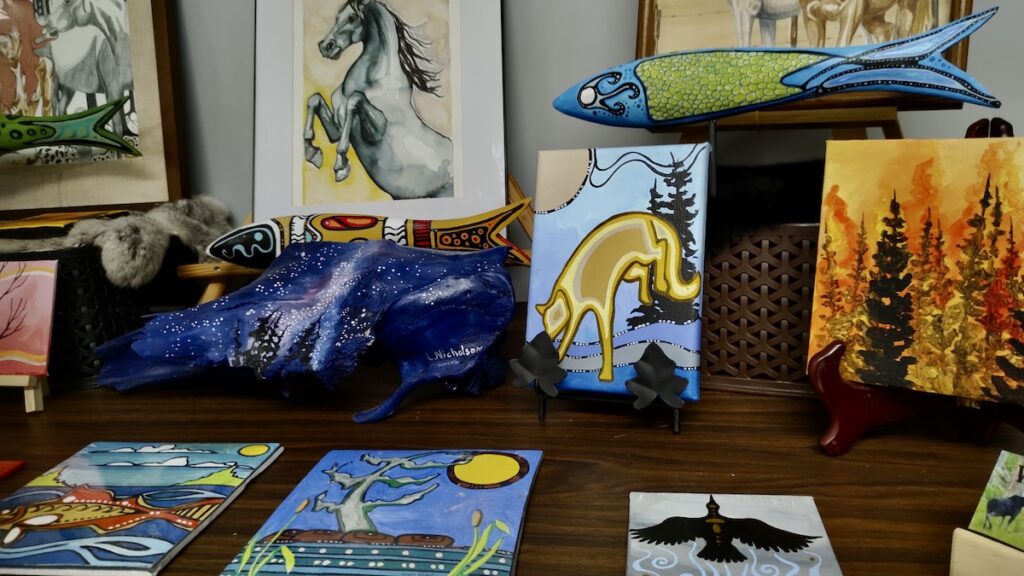
We facilitate the development of professional and community-based works that emerge directly from the geography, ecology, histories, and social realities of Northwestern Ontario. Our projects are shaped by our boreal landscape, local materials, environmental conditions, and the lived experiences of rural artists and community members. This place-based approach allows creative work to remain grounded in local knowledge while contributing to broader cultural and environmental conversations.
Intergenerational Mentorship and Youth Leadership
Our programs prioritize hands-on mentorship and youth participation. Young people are not treated as audiences or recipients of programming, but as active collaborators and leaders within the Land Lab ecosystem. Through a range of gardening projects, arts programming, environmental observation, media production, and experimental research, youth gain practical experience while helping shape the future directions.
Intergenerational exchange is central to this process. Elders, artists, local residents, and knowledge holders contribute practical skills, stories, ecological knowledge, and lived experience that strengthen community continuity and regional identity.
Sustainable Ecosystems and Food Security
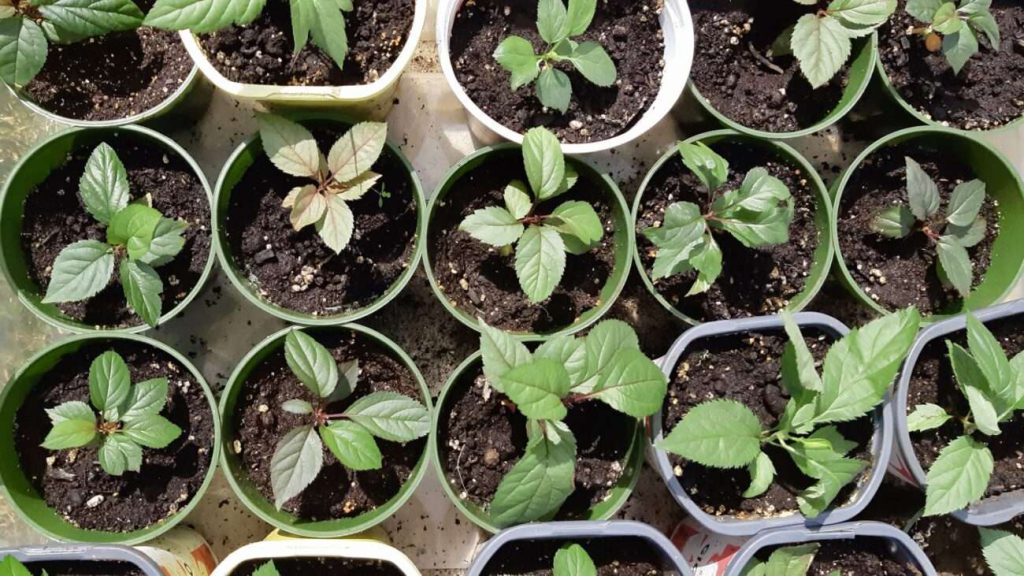
Food security and land stewardship are foundational components of the Land Lab. Our work recognizes that environmental resilience, community wellbeing, and cultural sustainability are deeply interconnected. Through gardens, orchard projects, seed-saving initiatives, soil experimentation, and land-based learning, we explore practical approaches to local food production and northern agricultural adaptation.
These projects are not only about growing food. They also function as platforms for environmental literacy, ecological observation, intergenerational learning, and community collaboration. Gardening and food production become accessible ways for residents to engage with larger questions surrounding stewardship, climate adaptation, sustainability, and long-term resilience.
This work has also intersected with broader regional conversations surrounding the proposed Deep Geological Repository (DGR) for Canada’s Used Nuclear Fuel Project process in neighbouring Revell township. Rather than approaching these discussions solely through technical or political frameworks, the Land Lab creates opportunities for communities to engage indirectly through land-based practice, food systems, environmental observation, and creative dialogue about long-term stewardship and responsibility.
Strategic Regional Outreach and Collaboration
Although rooted in Borups Corners and Dyment, our work extends across Northwestern Ontario, Manitoba, Minnesota and other northern regions through partnerships, workshops, collaborative projects, artist exchanges, and regional engagement initiatives. We actively work to connect rural and remote communities that often experience isolation from larger institutional networks.
Our collaborative model emphasizes relationship-building over transactional partnerships. Many projects emerge through ongoing dialogue, shared experimentation, and mutual support between organizations, artists, educators, researchers, and local residents. This relational approach strengthens regional resilience while helping build long-term networks of creative and environmental collaboration.
From Laboratory to Hub: Activating Community Infrastructure
Art Borups Corners was seeded through the Canada Council for the Arts Digital Greenhouse program in 2022, but it has since evolved into a broader community-led platform for experimentation, cultural production, and rural innovation. The program was shaped through support and collaboration from institutions such as the University of Minnesota Duluth, Minneapolis College of Art and Design, the OpenAI Researcher Access Program, Ontario Arts Council and many others.
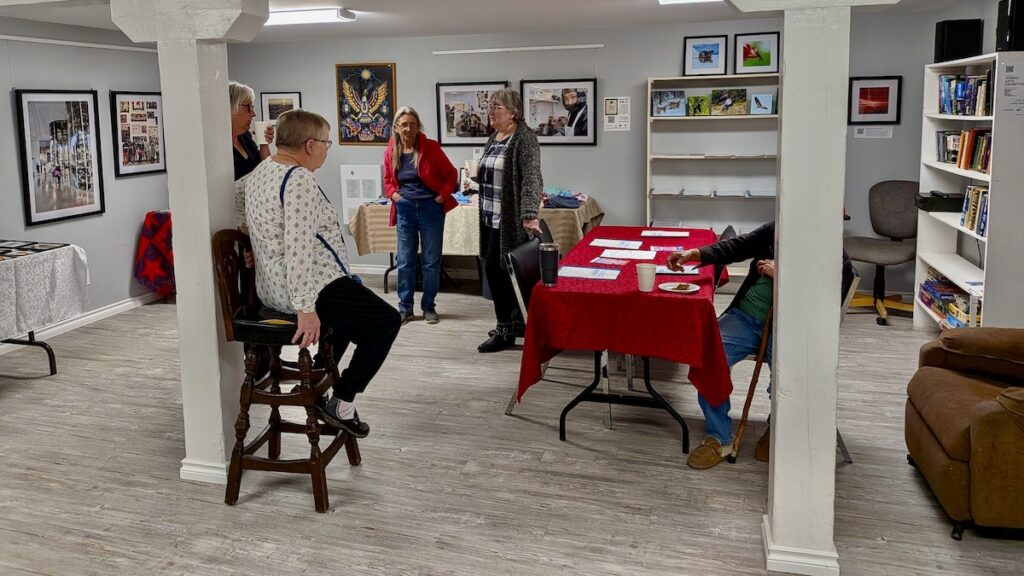
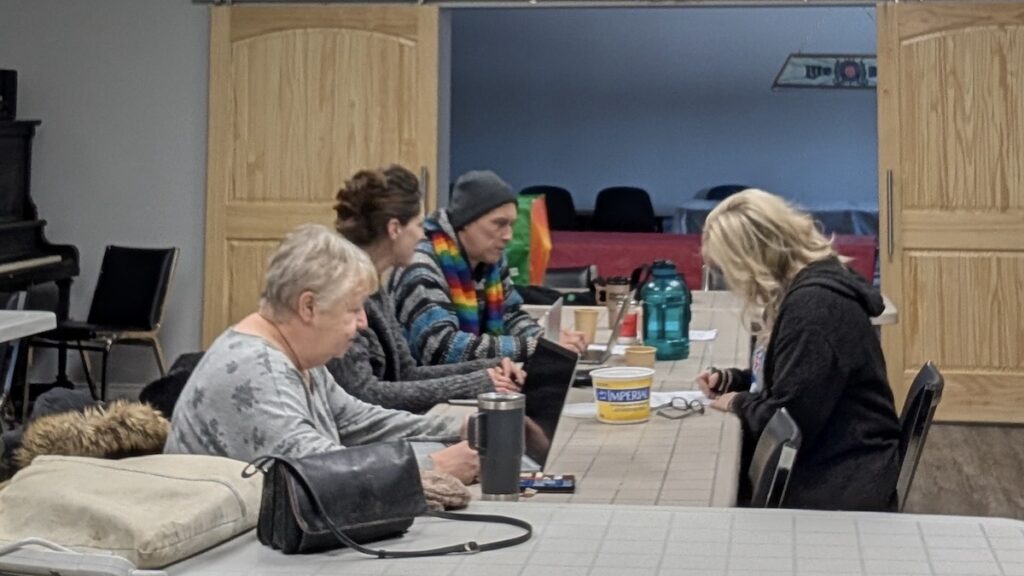
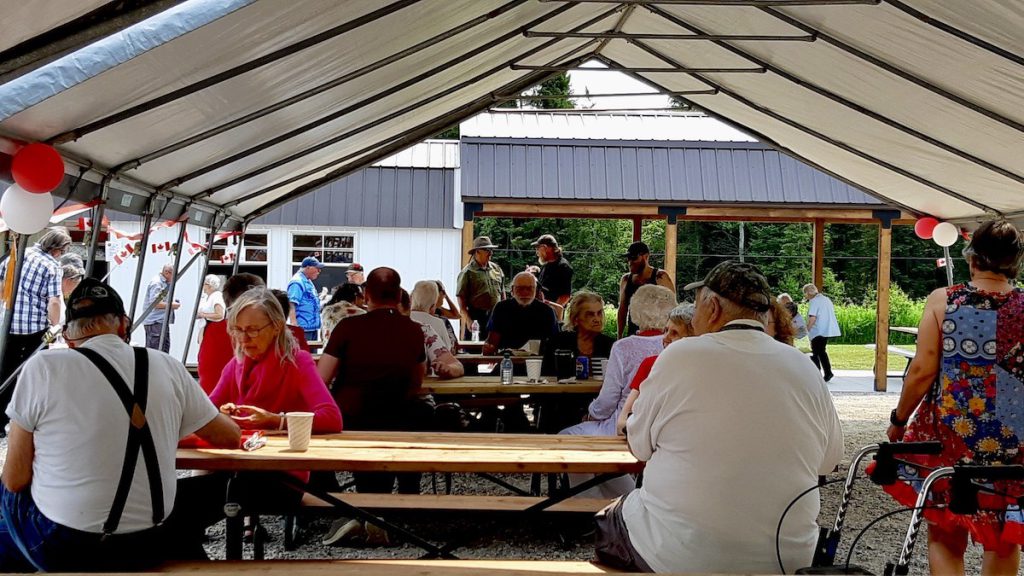
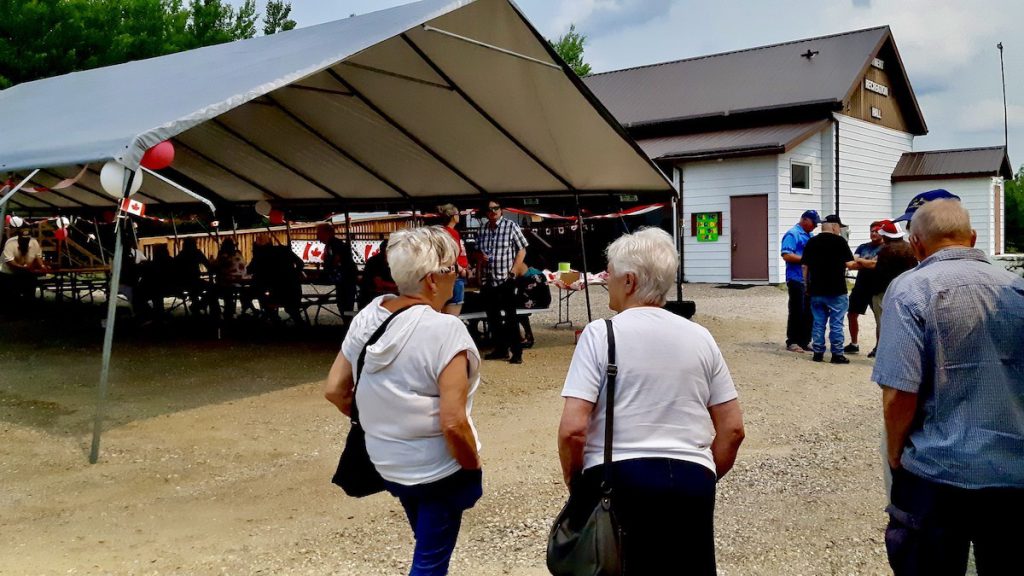
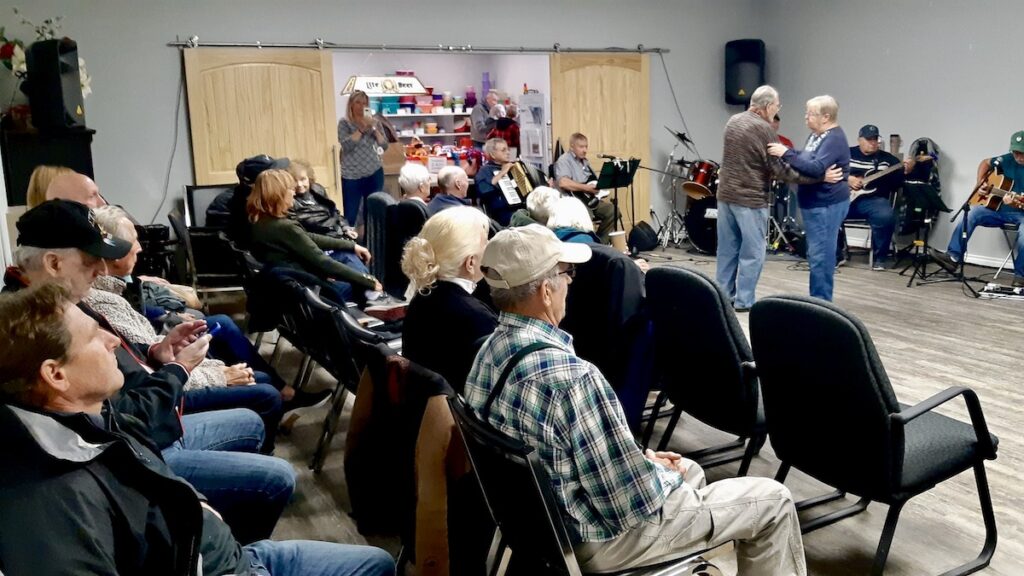
In the neighbouring community of Dyment, we helped reimagine the lower level of the Dyment Recreation Hall as a flexible arts, culture, and community engagement hub. This space now supports exhibitions, performances, workshops, gatherings, and interdisciplinary programming that connect experimental land-based work with broader public audiences.
The relationship between the Land Lab and other hubs demonstrates what we see as a scalable model for rural infrastructure activation. Existing community infrastructure can become sites of creativity, dialogue, and resilience-building when approached collaboratively and adaptively. This dual structure, combining land-based experimentation with accessible public engagement space, allows us to bridge local participation with broader regional conversations.
Innovation, Technology, and AI in Rural Contexts
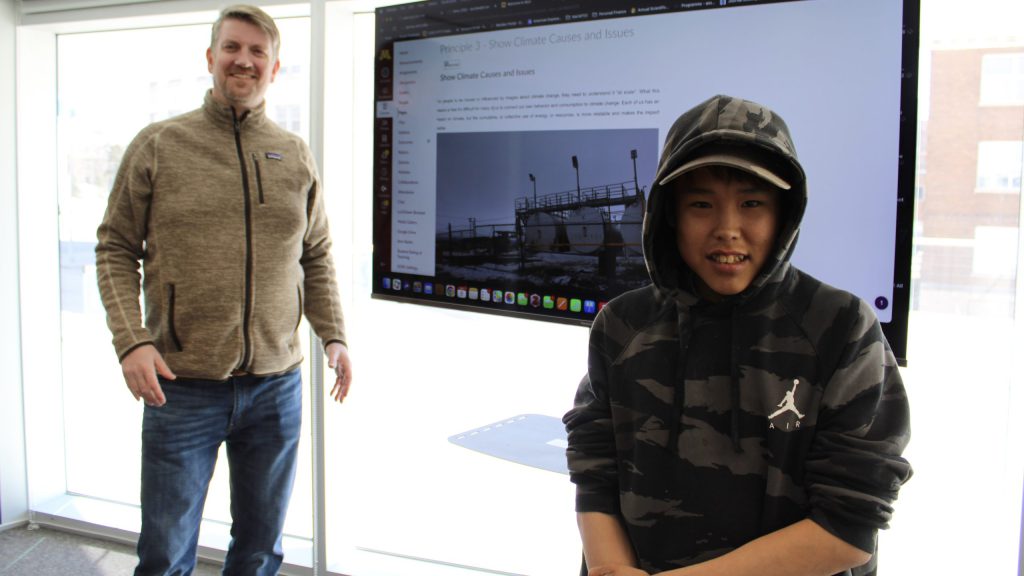
One distinctive aspect of the Land Lab is its exploration of emerging technologies, including artificial intelligence, through a community-centred lens. Rather than treating AI primarily as a tool for automation or efficiency, we explore how these emerging digital technologies can support creativity, storytelling, accessibility, education, and participation.
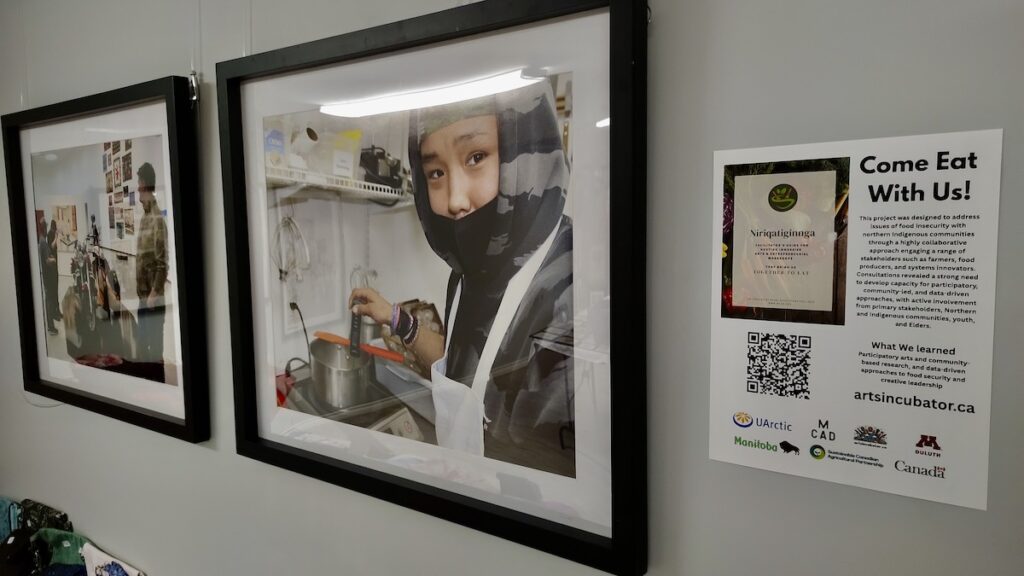
Our collaborations with The Arts Incubator Winnipeg have helped position the Land Lab as part of a broader conversation about digital equity and technological sovereignty in underserved regions. We are interested in how northern communities can engage critically and creatively with emerging technologies rather than being excluded from or passively shaped by them.
This includes experimentation with AI-assisted storytelling, environmental documentation, media production, creative workflows, and interdisciplinary educational programming. Technology is approached not as a replacement for human creativity or local knowledge, but as a tool that can expand participation, amplify rural voices, and strengthen community resilience.
A Sustainable Vision for Rural Artist Residencies and Exchange
Art Borups Corners operates through a relationship-first model that respects the seasonal rhythms and practical realities of the North. We have moved away from rigid gallery models in favour of direct community involvement.
Our programming prioritises immersion and exchange, ensuring that visiting artists work alongside our community rather than acting as outside observers. We measure success by the strength of the connections forged between professional creators, local youth, and the land.
- Community Practice: We focus on building tangible connections with local residents as a primary outcome of our work.
- Experimental Development: We provide the space for professional experimentation and risk-taking without the pressure of immediate, high-volume production.
- Long-Term Networks: We are dedicated to building lasting professional networks that support the ongoing creative and economic health of Northwestern Ontario.
At Art Borups Corners, every project contributes to the reality of Northern resilience. We invite you to join us as we continue to build a network of youth, residents, and creators dedicated to the future of land-based arts.
Food Security and Community Gardening
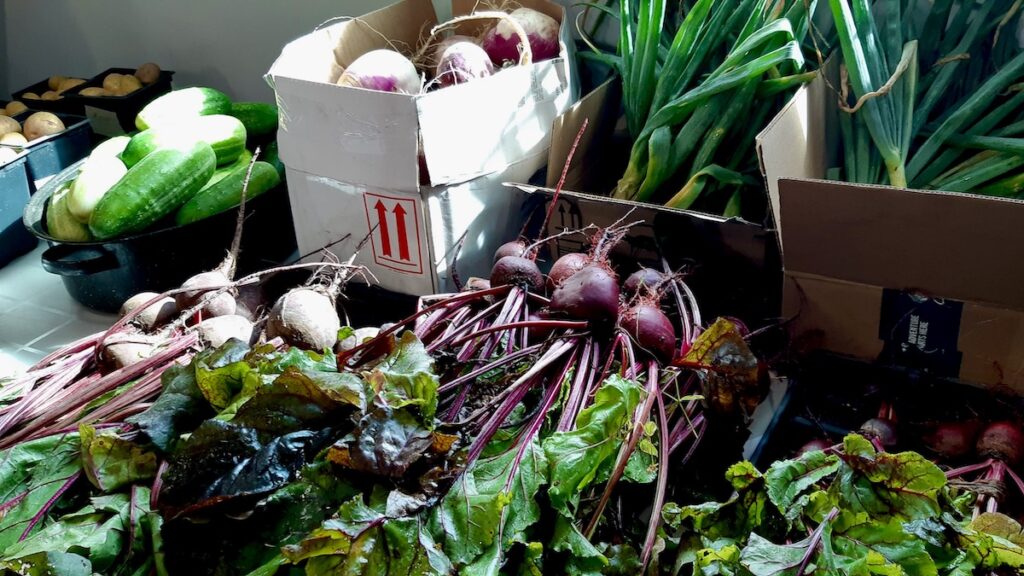
We run a community garden and food security program built on direct action and local production. This work is about food sovereignty and getting hands-on with the land to ensure our community has access to healthy, locally grown food.
Our work includes:
- Community Food Production: We focus on growing, preparing, and sharing food through our garden plots, keeping traditional growing knowledge alive while building a reliable local food source.
- Hands-on Agriculture: We use our garden as a space to learn about Northern growing seasons and soil health, focusing on the practical work of food production in our region.
- Youth Leadership: Local youth take the lead in managing garden projects, gaining direct experience in sustainable agriculture and taking responsibility for the community’s food security.
- Sharing Knowledge: We work with other local residents and regional partners to share seeds, tools, and skills, making sure that food production remains a common priority across the North.
In centering these efforts around the garden, we ensure that food security remains a communal responsibility rather than an individual burden. This collaborative approach turns the act of growing food into a shared experience that strengthens community ties and ensures that vital agricultural skills are passed down through generations.
Measuring Impact and Building Resilience
Many of the Land Lab’s most important impacts are relational, qualitative, and long-term. Traditional evaluation systems often fail to capture the value of social infrastructure, community participation, environmental literacy, and collaborative experimentation.
We measure success through indicators such as:
- sustained participation and community engagement
- youth leadership development
- intergenerational knowledge-sharing
- new regional collaborations
- environmental awareness and stewardship
- increased confidence in discussing complex issues
- community visibility and cultural production
- adaptive problem-solving capacity
- continuity and evolution of projects over time
The Land Lab functions as a form of resilience infrastructure. It creates spaces where communities can collectively explore uncertainty, environmental change, technological transformation, and long-term futures through practical, creative, and participatory approaches.
Connect With Us
We are always looking to expand our network of local residents, creators, and regional partners. Art Borups Corners is built on participation, and there are several ways to engage with our ongoing work:
- Community Gardening: Join us during the growing season to help maintain our local food production plots. We welcome residents interested in sharing seeds, tools, and agricultural knowledge, or those looking to learn hands-on skills in Northern gardening and soil health.
- The Land Lab: If you are a creator or researcher focused on land-based art, environmental science, or rural innovation, we invite you to connect with us. We facilitate site-specific projects that contribute to the regional dialogue and provide opportunities for real exchange with the community.
- Youth Leadership: We are committed to supporting the next generation of Northern voices. Local youth interested in taking on leadership roles within our agricultural or creative projects can get involved through our mentorship programs and hands-on workshops.
- Regional Partnerships: We collaborate with organizations across Northwestern Ontario, Manitoba, and the North to coordinate resources and advocate for sustainable local systems. We are open to new partnerships that strengthen the creative and economic health of our region.
Reach out to join our community and help us continue building a sustainable, creative future for Northwestern Ontario.