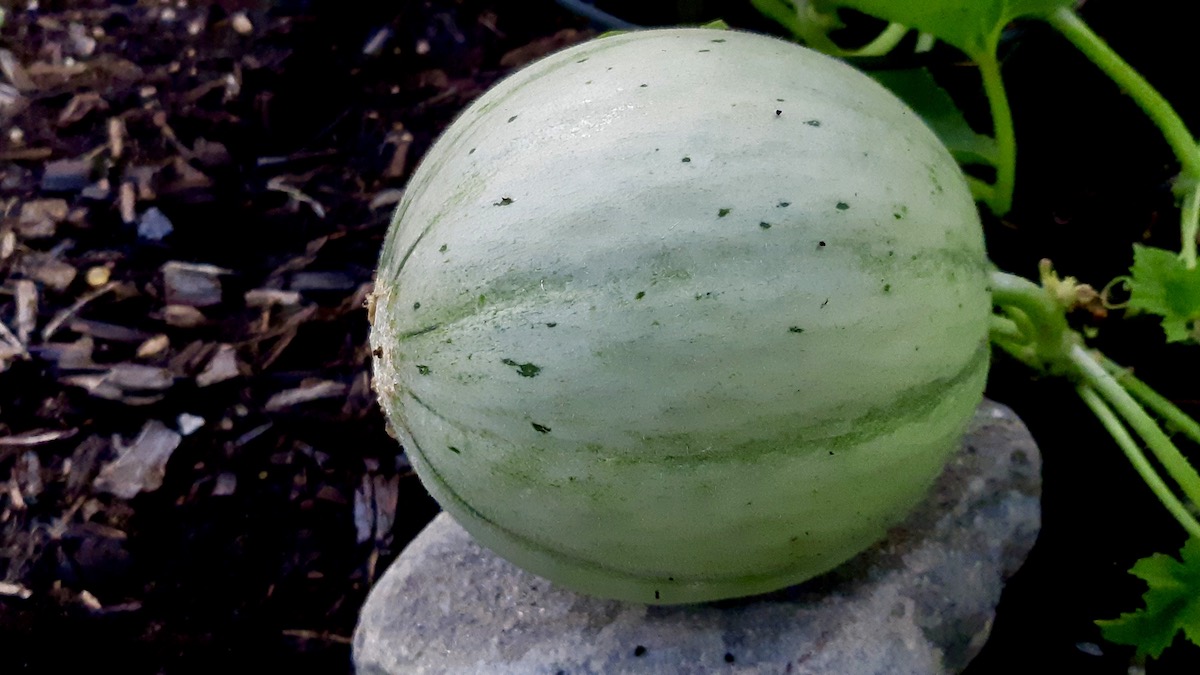
Bridging community engagement and sustainable gardening with practical tips for growing sweet, full-flavored cantaloupes.
Every summer, as our living lab in Borups Corners shifts its focus from urban media arts to land-based activities, the community garden always becomes the heart of our operations. Working the soil with our own hands and gathering around a shared harvest brings an immediate, grounded sense of connection. This year, we decided to try something new by adding hardy cantaloupes to our plots. Growing melons in a northern climate can feel like a gamble, but watching these vines take root and produce fruit has been one of the most exciting developments in the garden so far.
The difference in flavor between a fresh, garden-grown cantaloupe and a standard store-bought melon is night and day. When picked at peak ripeness right off the vine, these cantaloupes carry an intense, honey-like sweetness paired with a rich, floral aroma that hits you the moment you slice into them. The flesh is buttery, incredibly juicy, and soft enough to melt in your mouth rather than offering that rigid, watery crunch you often get from fruit that was harvested early to survive a long delivery truck ride.
Knowing when to harvest is equally important for getting that peak flavor. Cantaloupes use a natural process called slipping when they are ready. When a melon reaches true maturity, a gentle push with your thumb right where the stem meets the fruit will cause it to detach smoothly without tearing. If you have to yank or cut the stem, the fruit hasn’t finished developing its sugars and needs more time in the sun.
Watering also plays a critical role in the final flavour. While the vines need deep, regular watering while establishing and setting fruit, cutting back on water right as the melons finish growing concentrates their natural sugars and prevents the outer rinds from splitting open.
Adding new, resilient crops to our living lab reinforces why the community garden program remains our most popular seasonal shift. Experimenting with hardier varieties proves that with a little patience and the right techniques, warm-weather favorites can thrive right here in Borups Corners.
Seeing members of the community tend the beds, track the ripening vines, and share the literal fruits of their labor makes every hour spent working the soil completely worth it.