Building an Igluvigaq on the Land
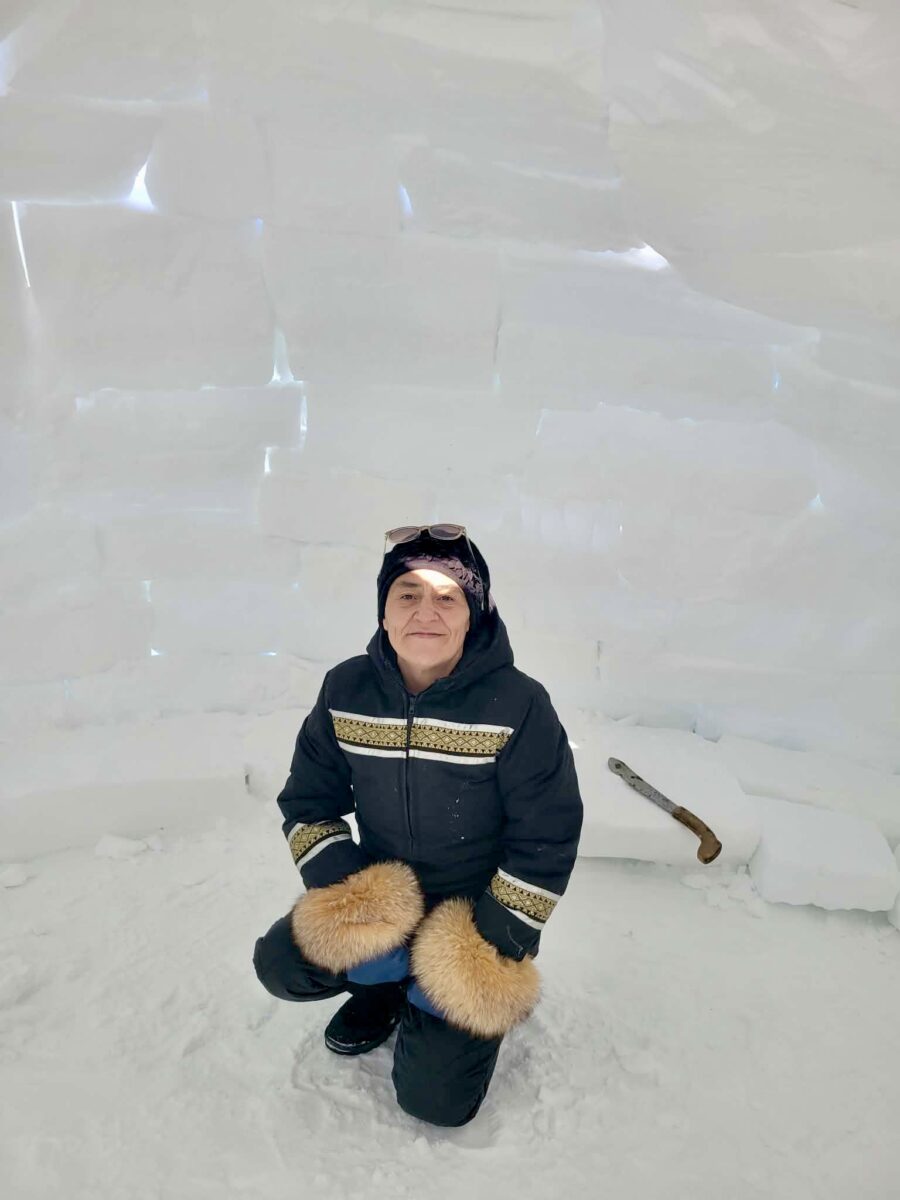
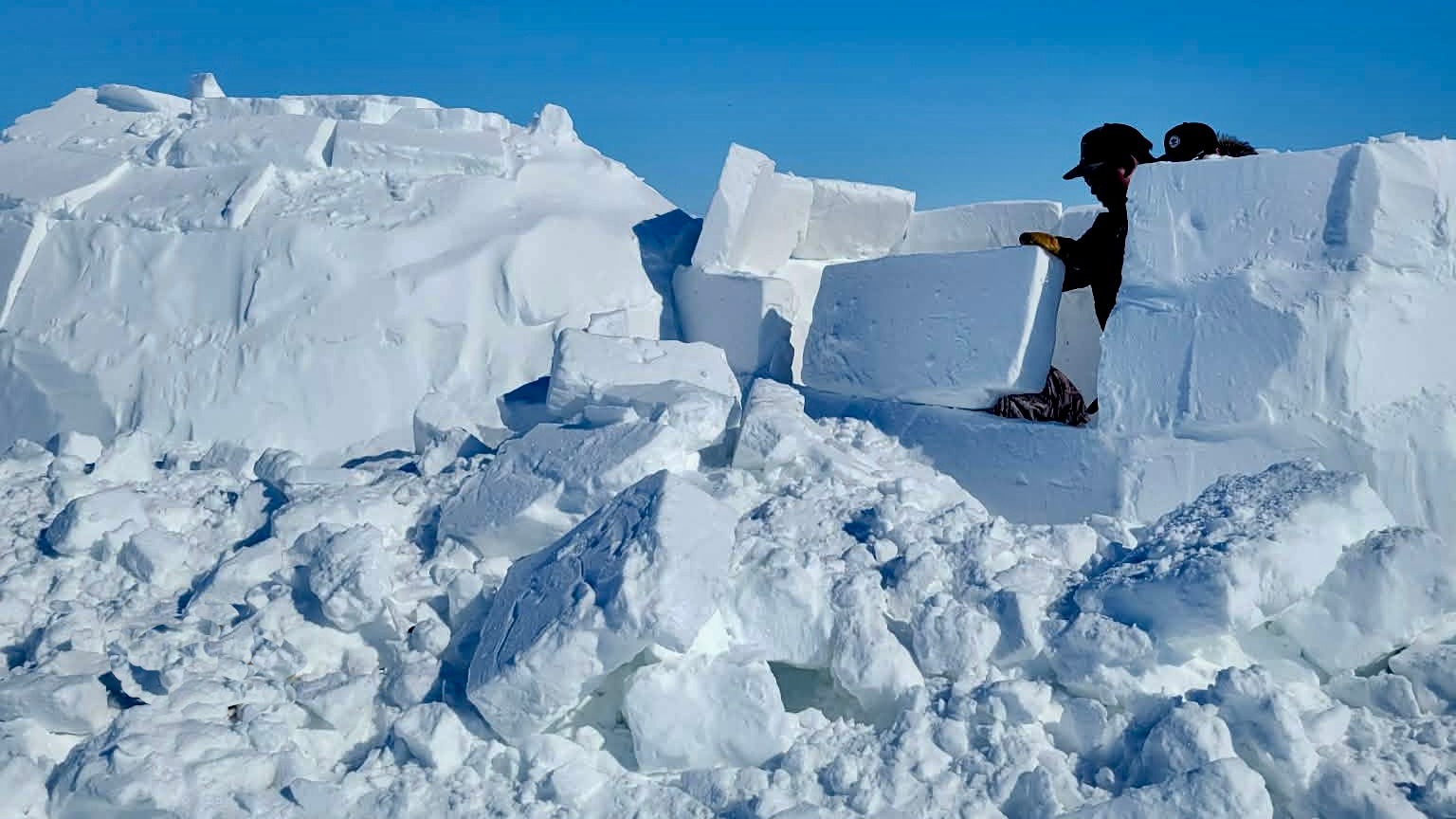
This week, I am out on the land in Arviat, Nunavut, surrounded by community, laughter, and the quiet strength of knowledge passed down over generations. Together, we are building an igluvigaq (ᐃᒡᓗᕕᒐᖅ)—a snow house—just as our ancestors have done for thousands of years. Many people refer to them as an iglu.
There is something powerful about working with snow in this way. Each block we cut and place carries intention. Each curve we shape into the dome reflects skill, patience, and deep understanding of the land. This is not just construction—it is memory, it is survival, it is culture.
As Inuit, we come from people who have lived in relationship with this land since time immemorial. The knowledge required to build igluvigait is part of that relationship. It teaches us how to read the snow, how to work together, how to adapt, and how to endure. These are not abstract lessons. They are lived, practiced, and felt.
What makes this experience especially meaningful is sharing it with our young people. Watching them learn how to cut snow blocks, how to angle them just right, how to see the structure take shape. It reminds me that culture is not something we simply talk about. It is something we do. It is something we pass on through our hands, our actions, and our time together.
There is pride in this work. Pride in who we are as Inuit. Pride in knowing that these skills are still alive, still relevant, and still being carried forward. In a rapidly changing world, moments like this ground us. They remind us that our knowledge systems are strong, sophisticated, and enduring.
Out here, building an igluvigaq, I feel connected—to the land, to the people around me, and to those who came before us. And I feel hopeful, seeing the next generation step into that continuity with curiosity and confidence.
This is more than building a shelter. It is building belonging.