Astronomical Real Estate Speculation Locks Out Next Generation as Fifty Billion Dollars in Agricultural Assets Shift
Canada is rapidly running out of young farmers, triggering an emergency warning that the country’s agricultural sector is facing a total generational collapse. Driven by predatory land speculation and an unforgiving credit market, the cost of Canadian farmland has exploded by 1,000% since the year 2000, leaving the future of the nation’s food infrastructure in severe jeopardy.
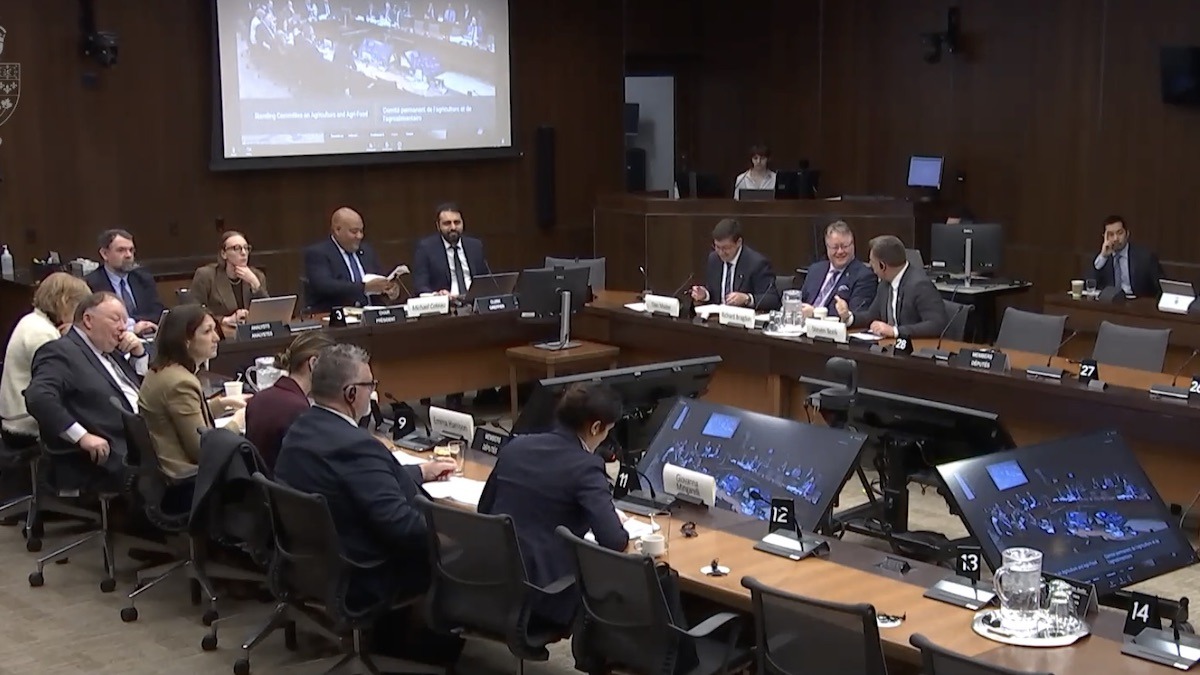
Appearing before the House of Commons Standing Committee on Agriculture and Agri-Food last month, David Beauvais, the newly elected president of the Fédération de la relève agricole du Québec, sounded the alarm on behalf of 2,100 young farmers aged 16 to 39 who are trying to survive in a dying trade. Beauvais stated clearly that farm succession is currently the primary structural risk that must be addressed immediately within the Canadian agricultural sector if the nation wishes to maintain domestic food production.
The urgency could not be more acute. An astronomical $50 billion in agricultural and agri-food assets is scheduled to be transferred across Canada over the next decade, yet there are fewer people than ever qualified or capitalized enough to take the reins.
The barrier to entry for a new generation of farmers has shifted from difficult to mathematically impossible. Farmland values spiked another 12.5% in 2024 alone. Beauvais testified that the actual agronomic, crop-producing value of the soil has remained completely disconnected from this hyper-inflated market value driven by outside real estate investment and speculation.
The structural damage is glaringly apparent in the data, as Canada’s generational renewal rate has plummeted to a dismal 24%. Over the past two decades, the sheer number of young farmers entering the sector has collapsed, creating an alarming demographic gap.
During the parliamentary hearings, Conservative Member of Parliament Jacques Gourde captured the grim reality by noting that Beauvais’ handful of federation members stand against 42,000 aging producers across Quebec. Gourde noted that young farmers are effectively becoming a vanishing group, raising serious questions about who will be left to feed nine million citizens as older operators retire over the coming years.
Beauvais agreed with the stark assessment, emphasizing that to survive the crushing financial pressure, nearly half of all young people who still dare to venture into farming are being forced to hold secondary, full-time jobs off the farm just to pay off interest and make ends meet.
Because young operators lack deep cash reserves and extensive credit histories, traditional commercial banking models are choking out fresh blood. In response to questioning from Liberal Member of Parliament Marianne Dandurand regarding targeted assistance frameworks, Beauvais outlined the federation’s demand for a radical restructuring of federal financial assistance through the creation of a dedicated patient capital framework.
The proposed solution would grant targeted, low-interest, fixed-rate loans of up to $1 million over a 40-year amortization period for farmers under 40, requiring a down payment of just 5%. Beauvais argued that the government has little or nothing to lose by investing in farmland that will always remain in Canada and be used to feed Canadians. He stressed that the program must be strictly targeted to genuine young farmers to prevent corporate speculators from manipulating the fund to drive land prices even higher.