On-the-Land Arts, Community Spaces, and Northern Engagement
We’re off again—heading into another stretch of spring work that feels less like “going to events” and more like stepping into a living network of places, people, and ideas.
After a long winter of planning, writing, building, and connecting from screens and meeting rooms, we’re finally packing up and heading back out on the land. There’s something about this shift every year—the moment when laptops close a little earlier, emails get shorter, and the real work moves into community halls, kitchens, gym floors, and open spaces where conversations happen naturally.
This journey actually traces back to 2022, when we first piloted our program with support from the Canada Council for the Arts through the Digital Greenhouse initiative. At the time, the idea was simple but ambitious: what if digital arts programming didn’t stay confined to cities and screens? What if it could move—really move—into land-based spaces, community contexts, and local priorities?
That question is what eventually helped shape our ongoing collaboration with Art Borups Corners. Together, we started blending digital creativity with on-the-land programming—connecting arts, culture, and food security in ways that are rooted in place, not separated from it.
This weekend, that work takes us out of Winnipeg again and into Northwestern Ontario and Nunavut, where several of these threads are now actively growing into their next phase.
One of the key stops is the Dyment Recreation Hall, where the Art Borups Corners and Melgund Recreation, Arts and Culture teams have been doing something remarkable. An unused, flood-affected space—quiet for years after the 2022 damage—is being transformed into a vibrant, flexible community hub.
It’s not just a renovation. It’s a reclamation of space.
What was once empty is becoming a place for rotating exhibitions, hands-on workshops, cultural gatherings, and cross-community exchange. You can already feel it taking shape in the stories people are sharing about what they want the space to become. It’s less about “opening a facility” and more about rebuilding a heartbeat for the community.
Alongside that, there’s another layer of work that’s just as important, and much more complex: ongoing consultations and engagement for the integrated impact assessment related to Canada’s Deep Geological Repository for Used Nuclear Fuel. This is one of the most significant nuclear infrastructure projects in the country, and Melgund Township sits directly adjacent to the proposed area.
These conversations matter. They’re not abstract policy discussions—they’re grounded in land, water, safety, long-term responsibility, and the lived realities of the people who are closest to the project. Our role this weekend is to support those engagement processes: helping facilitate workshops, sharing information, listening carefully, and creating space for dialogue that is steady, respectful, and real.
We’re connecting with communities—continuing relationships that have been building over years of shared work, shared learning, and shared responsibility.
At the heart of all of it is something simple: showing up.
Not just with presentations or programming, but with time, attention, and willingness to be part of the ongoing work that communities are already doing—whether that’s rebuilding a cultural space, planning for the future, or holding difficult conversations about large-scale infrastructure and its long-term impacts.
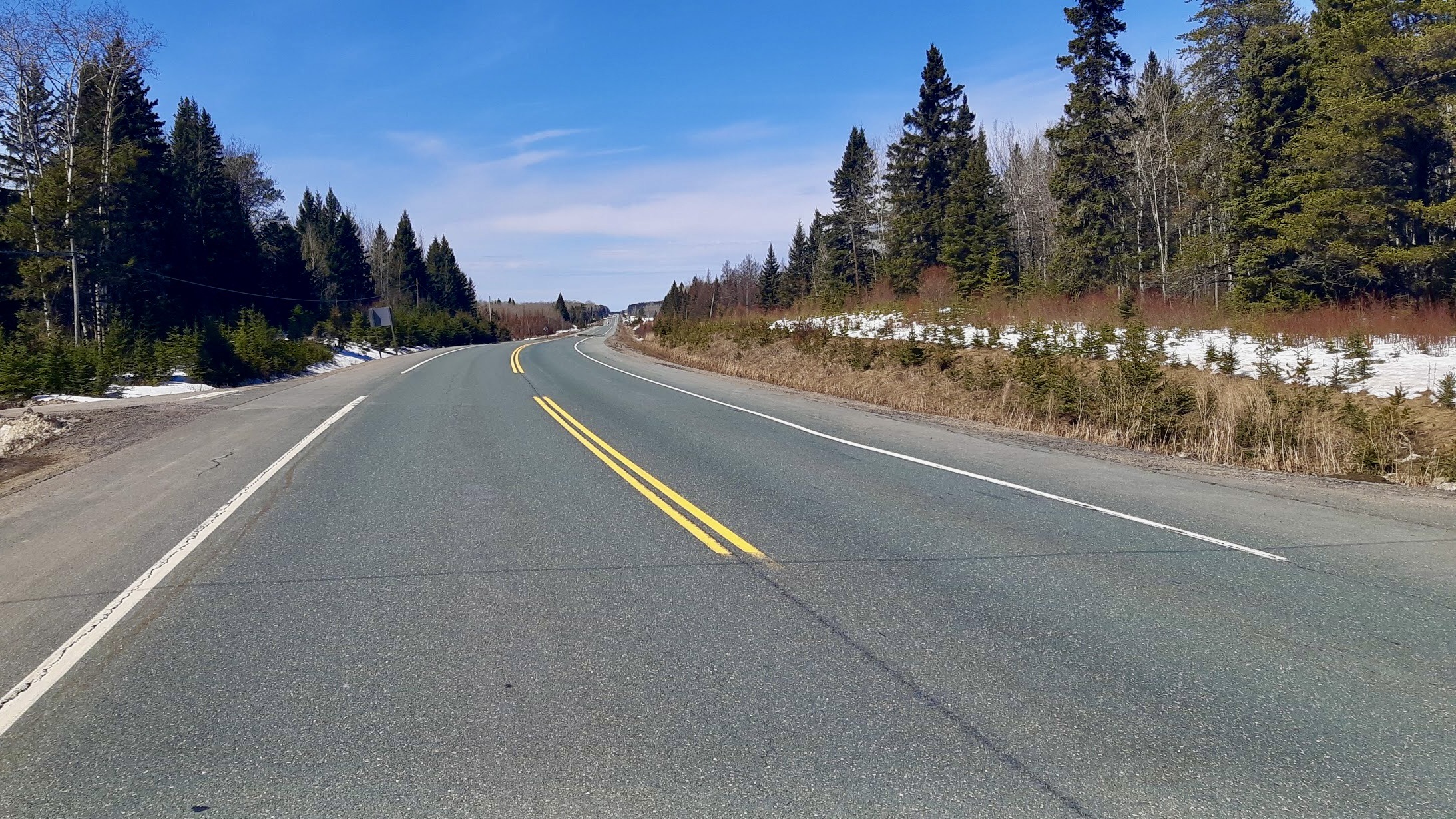
So we’re heading out again. From Winnipeg into the north and across the region, carrying a mix of workshops, conversations, and open questions—and just as importantly, ready to listen to what comes back.
For more information on the public events next week, visit the Impact Assessment Agency of Canada Web Site.