Northwestern Ontario residents shared their perspectives on proposed nuclear waste infrastructure, transportation routes, water management and project facilities.
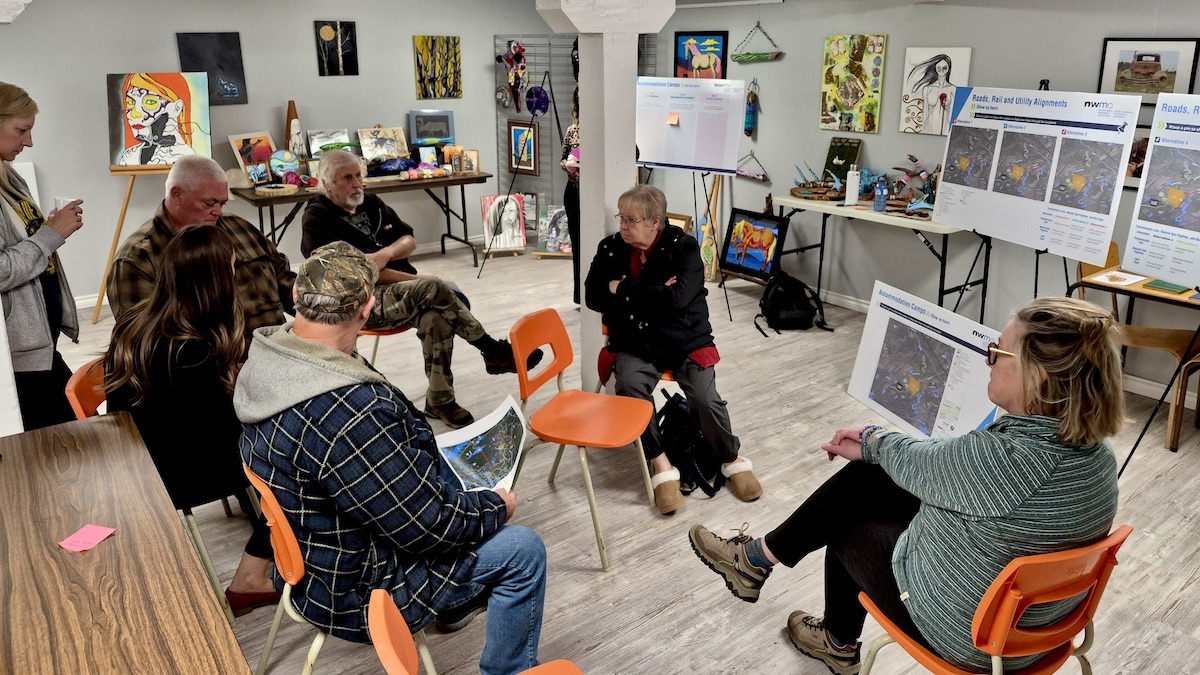
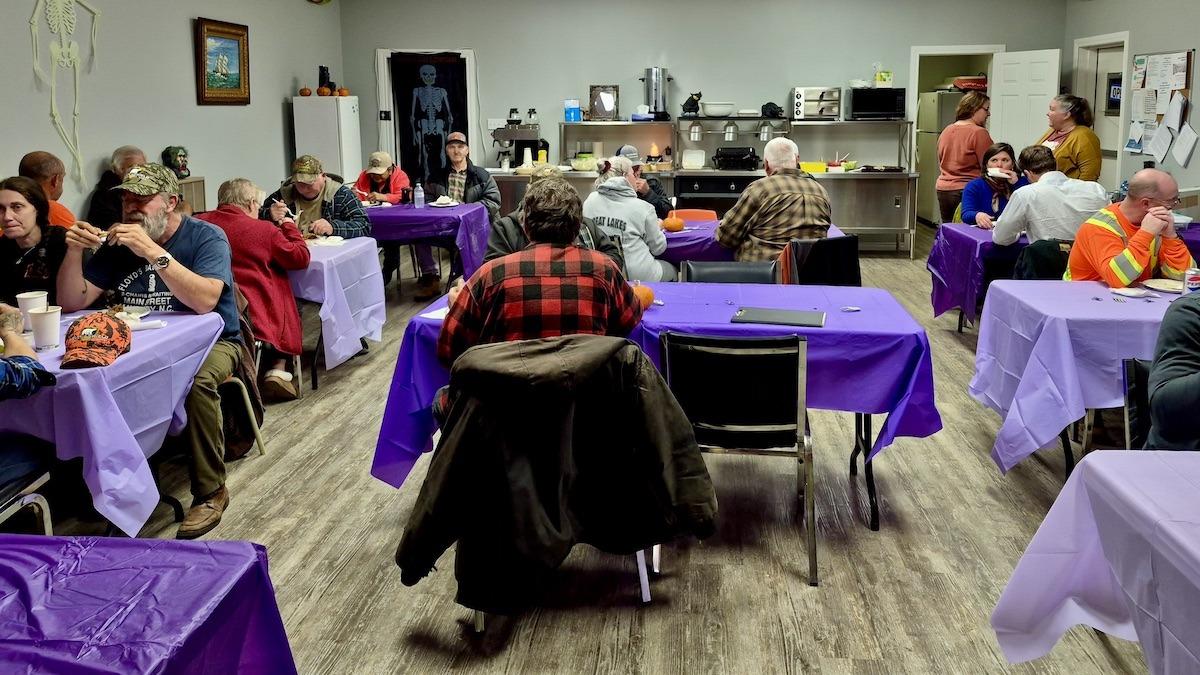
On October 28, the Dyment Recreation Hall was a hive of activity. Conversations were happening around tables, workshop groups were spread throughout the building, and even the lower-level art space was put to use as residents gathered to discuss a project that could have a lasting impact on their community.
The Nuclear Waste Management Organization (NWMO) joined residents at the hall for a series of participatory workshops, giving people from Melgund and the surrounding area an opportunity to ask questions, raise concerns and share their perspectives on several studies being prepared for the proposed Deep Geological Repository (DGR) for nuclear waste project.
It was good to see the building so full of activity, with people making use of different spaces and getting involved in conversations throughout the day.
Looking at the studies and the choices ahead
The workshops focused on a number of Impact Statement studies being conducted as part of the federal assessment process under the Impact Assessment Act. These studies look at different ways the proposed project could be designed and carried out, helping to identify possible options and inform decisions about the project. For area residents, the workshops offered a chance to hear more about what each study involves, identify which topics matter most, and to provide feedback directly to the NWMO.
Four studies were part of the discussions:
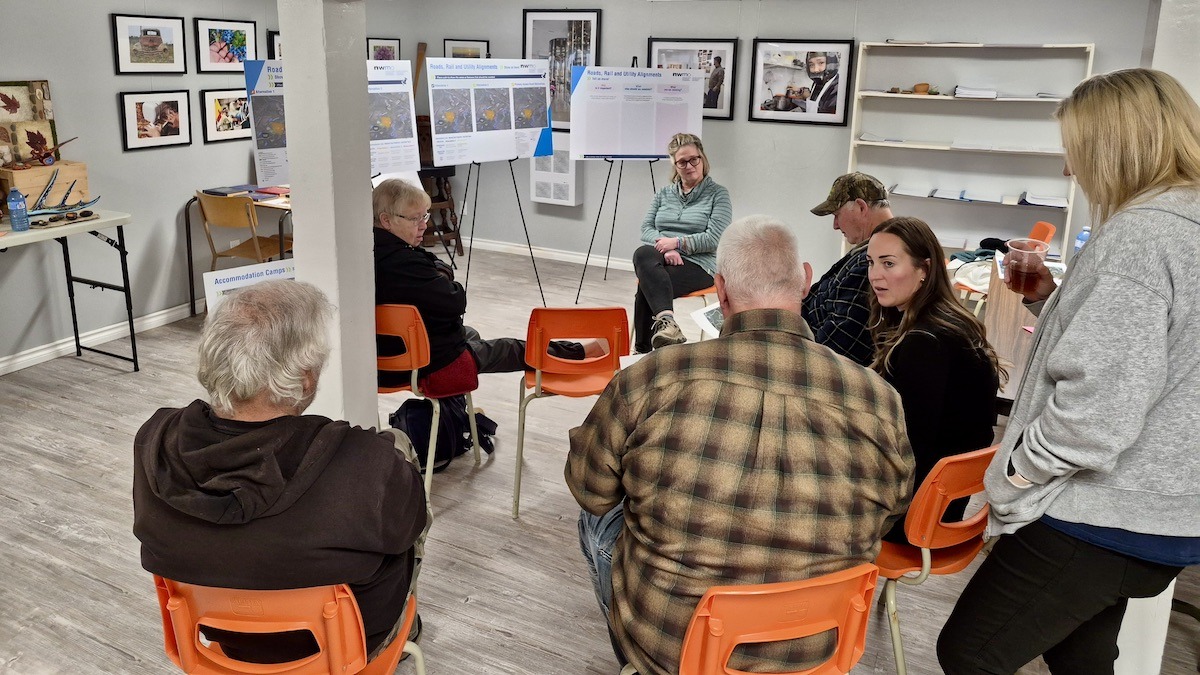
Utility Corridor and Alignment Options: This study will examine potential routes for utility and transportation connections between the project site and existing infrastructure. The location and alignment of these corridors are important considerations for how the site would connect to the surrounding area.
Water Source and Discharge Options: This study will consider alternative locations for water intake and discharge, along with the different approaches to managing water associated with the project.
Accommodation Camp Options: The study will assess possible locations for the project’s accommodation camp within the proposed site footprint.
Waste Management: This study will examine potential locations for the Excavated Rock Management Area and the Organics Management Area.
Taken together, these studies look at how the infrastructure, transportation connections and supporting facilities for a project of this scale could be arranged within the proposed site.
A community hall full of conversation
One of the highlights of the day was seeing the different parts of Dyment Recreation Hall being used for workshops and group discussions. The activity extended well beyond the main hall, with smaller groups meeting in different rooms, including the lower-level art space.
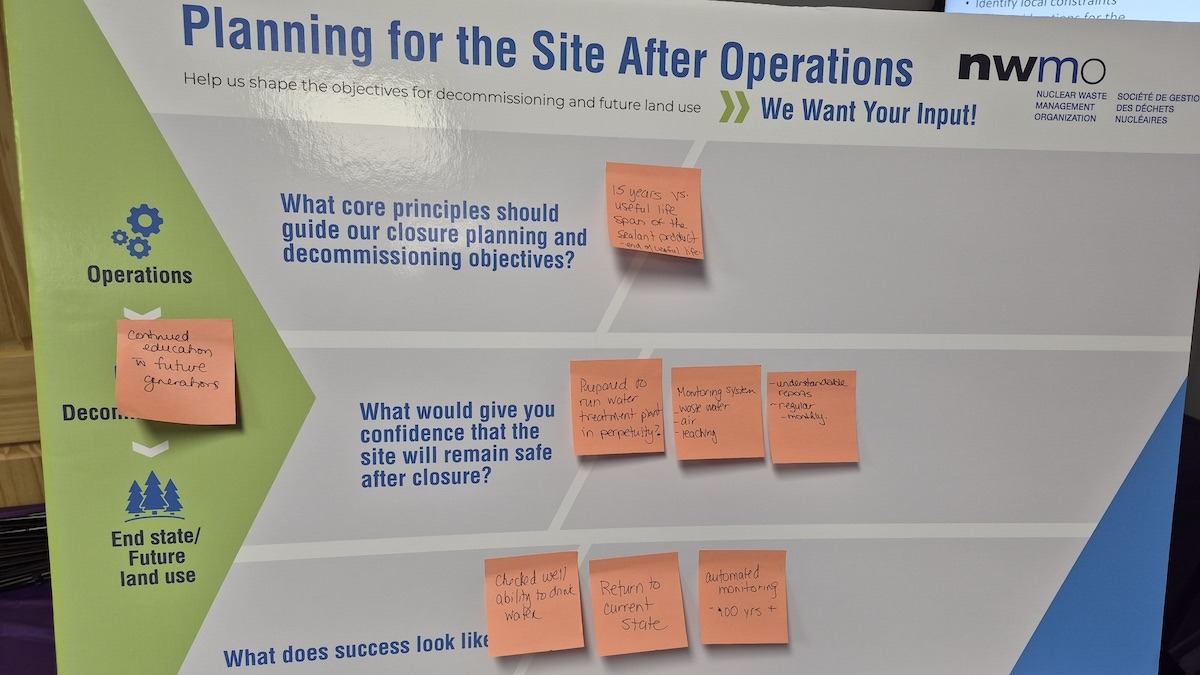
There was a real sense of participation throughout the sessions. People had room to talk, exchange ideas, ask questions and bring their own experiences into the discussions. Community involvement and participation in the assessment processes matter. These conversations provide an opportunity for local study area residents to put forward the things they want considered as the project moves through its assessment.
A big thank you to the Nuclear Waste Management Organization for bringing the workshops to Dyment, and to the Local Services Board of Melgund, Melgund Recreation, Arts and Culture, and Art Borups Corners for helping make the day possible. Most importantly, thank you to everyone from the community and surrounding area who came out, participated and contributed to the conversations. Thanks to all for inviting us and making us feel so welcome, We do have to complement the amazing food that filled our belllies.
About the proposed Deep Geological Repository
The NWMO is proposing an underground deep geological repository designed to contain and isolate Canada’s used nuclear fuel. The proposed Deep Geological Repository for Canada’s Used Nuclear Fuel Project would accommodate approximately 5.9 million bundles of used nuclear fuel. The project is expected to span approximately 160 years, including site preparation, construction, operation and closure monitoring. The post-closure period could extend up to one million years.
Melgund Township, including its two unorganized communities of Dyment and Borups Corners, is the closest and most impacted local area in relation to the proposed project. The federal impact assessment is being conducted by the Impact Assessment Agency of Canada, in collaboration with the Canadian Nuclear Safety Commission. The controversial project was referred to Canada’s Major Projects Office (MPO) in June 2026.