Spring Sewing and Knitting Programs in Community Recreation
By mid-April, spring is no longer just arriving—it’s fully here. The snow is melting, the days are longer, and our recreation programming is starting to reflect the shift in energy that comes with the season. Outdoor activities are gradually picking up again, but our indoor creative programming remains steady, especially our sewing and knitting sessions, which continue to be some of the most consistent and valued parts of the weekly schedule.
These programs offer a grounded space for creativity that doesn’t depend on the weather or the time of year. Even as spring opens up new possibilities outside, many participants still choose to gather indoors for hands-on creative work that feels both productive and restorative.
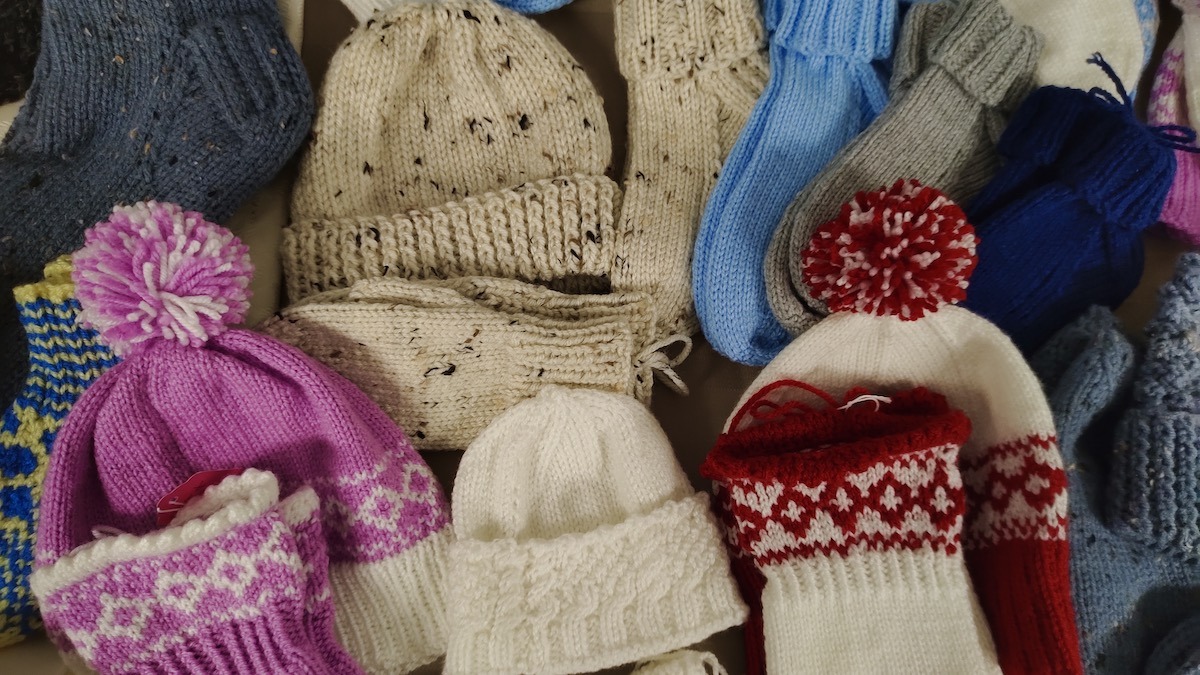
This week, Francine and Tanya have been working through a mix of sewing projects and knitting patterns, moving between experimentation and refinement. There’s a relaxed focus in the room—fabric laid out across tables, yarn winding into new shapes, and conversations flowing naturally alongside the work. Their approach captures what these sessions have become for many people: a space to explore ideas without pressure, and to simply enjoy the process of making.
In community recreation programming, sewing and knitting continue to stand out because they are both accessible and adaptable. Participants can join with no prior experience or bring years of practice with them, and still find meaningful ways to engage. Some are learning basic stitches and techniques, while others are working on more complex garments, quilting projects, or detailed textile design.
What makes these programs especially effective is the way learning happens in the space. It’s not formal instruction—it’s shared practice. People show each other how to solve small problems, adjust patterns, or try a different approach. That informal exchange builds confidence and keeps the sessions flexible and responsive to the group’s needs.
There’s also a strong social layer that develops naturally. Sewing and knitting create a setting where conversation doesn’t have to be structured or forced. People can talk while their hands are busy, or simply sit in comfortable silence together. In a busy world that often demands constant attention and output, this kind of shared space is increasingly important.
From a recreation perspective, these activities also support focus, coordination, and creative problem-solving. They offer a break from screen-based engagement while still involving design thinking and artistic decision-making. Many participants find that skills developed in sewing and knitting carry over into other areas of their creative practice, including digital arts, storytelling, and visual work.
As we move deeper into spring, we’re seeing subtle shifts in the kinds of projects people choose—lighter materials, new ideas, and a growing interest in starting fresh work. But the core of the program remains the same. It’s not about the season changing the activity, but about the activity holding steady as everything else shifts around it.
Francine and Tanya’s work this week reflects that continuity. Their projects move between revisiting older patterns and trying new approaches, helping set a tone of experimentation without urgency. That balance is what keeps these sessions sustainable over time.
Sewing and knitting remain central to our recreation programming because they consistently offer what people are looking for: time, space, connection, and the freedom to create at their own pace—no matter the season.