Cool new chapters from Spring Short Stories
Welcome to another day of our Spring Short Stories project, where we play with words and art. This whole thing is a fun experiment using seasonal storytelling and AI research to see how we can build digital literacy through curiosity and creative play. We want to learn how the melting snow and the first bits of green can shape the way we tell stories in 2025.
These stories help us reach our goals in scriptwriting and tech while finding new ways to develop creative talent. We focus on how spring feels in busy urban spots and Northern cities, noticing the small details that make these places special. It is all very exploratory and experimental, letting us test out different voices and styles in a lighthearted way.
Today’s Spring Short Stories

Structural Canvas
Author: Eva Suluk | Category: Adventure | Genre: Romance
A forced wilderness trip goes wrong when a spring storm washes out the bridge, testing a cynic’s survival instincts.
The Master Key
Author: Tony Eetak | Category: General Fiction | Genre: Thriller
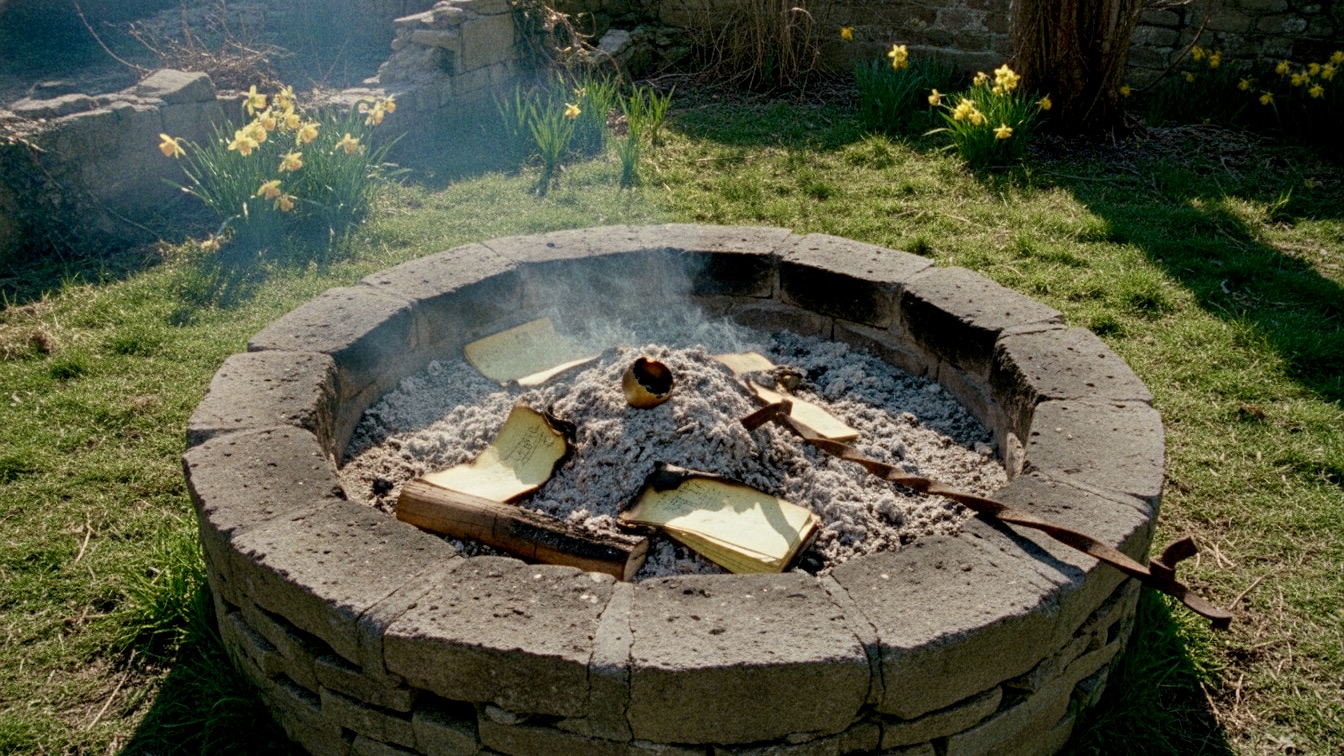
A stranger crashes a family Easter, revealing a decade of bribery and a fortune built on stolen ground.

The Glazed Surface
Author: Jamie F. Bell | Category: Mystery | Genre: Speculative Fiction
Eli’s neural link fails during a tense family Easter dinner, revealing a digital betrayal hidden inside the honey-glazed ham.

Foil-Wrapped Brick
Author: Jamie F. Bell | Category: Romance | Genre: Dystopian
Eddie braves the black market for real food while Dylan hacks the grid to host a forbidden dinner.
The Rusted Hinge
Author: Jamie F. Bell | Category: Science Fiction & Fantasy | Genre: Dystopian
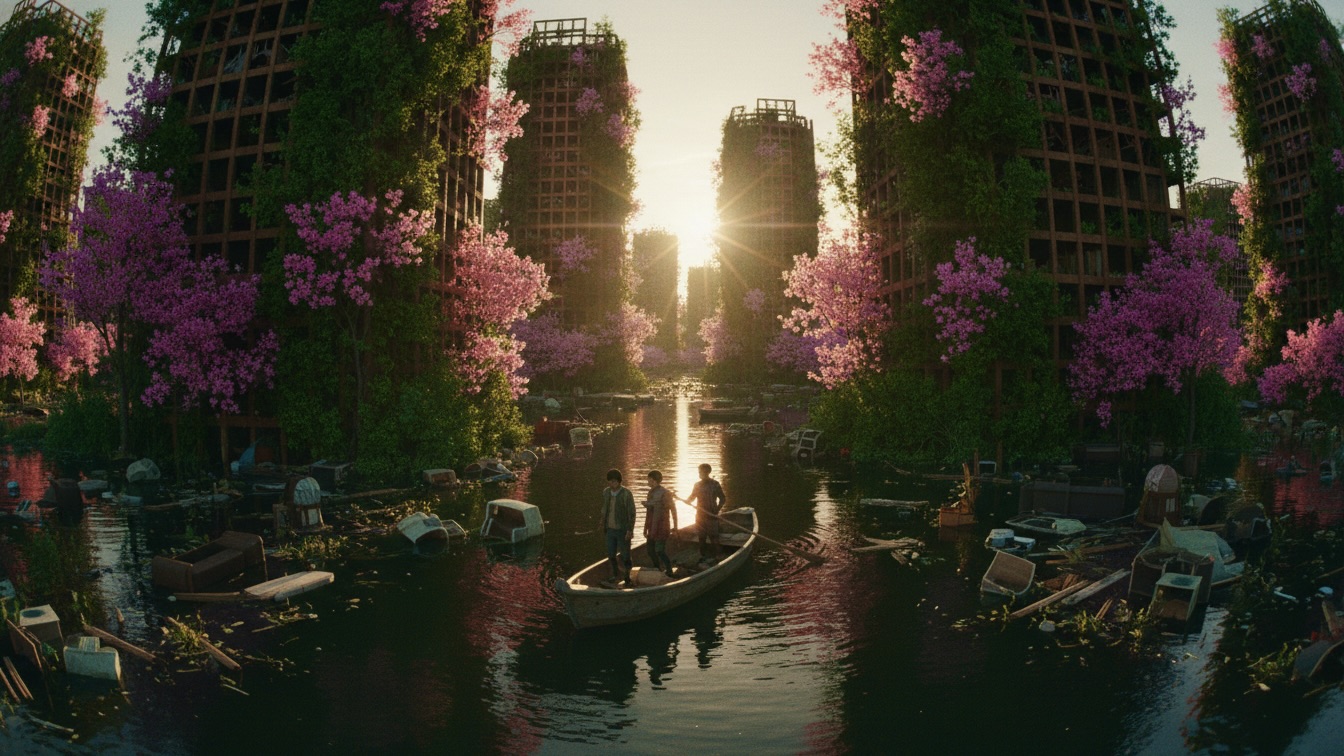
In a flooded future, survival depends on hunting bio-engineered protein drones through the rusted rafters of ruined malls.
Design Notes and Applied Research
This collection integrates diverse genres, ranging from speculative fiction to romance, to demonstrate our commitment to information management and digital literacy within the creative arts. By navigating the distinct structural requirements of thrillers and dystopian narratives, we have refined our ability to organize complex narrative data into cohesive frameworks. These subject categories serve as a practical exercise in applying technical skills to artistic production, ensuring our storytelling remains agile in a digital-first environment.
Engaging with this interdisciplinary project provided a valuable opportunity to explore the intersection of narrative craft and technical project management. The collaboration across various subject categories allowed the team to experience the challenges and rewards of high-level creative coordination. This initiative has been an enriching experience that highlights the importance of versatile skill sets in the contemporary arts landscape.