Surviving the Vole War: Nature’s Surgical Strike on the Orchard
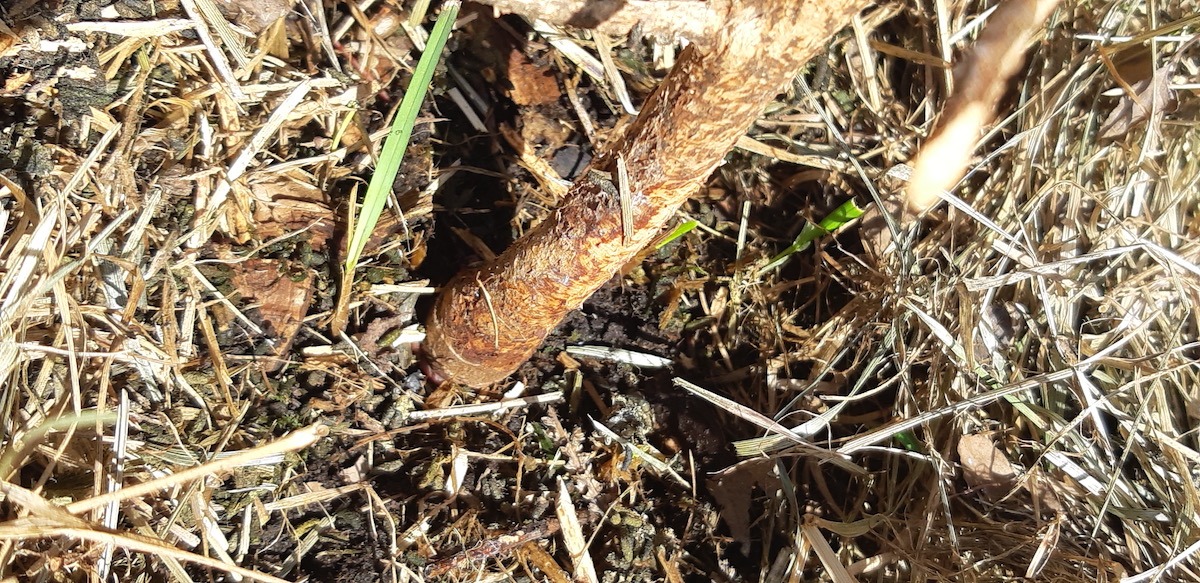
The spring melt in Northwestern Ontario is supposed to be a celebration, but for anyone growing trees, it often reveals a crime scene. As the white drifts recede, they expose the “bleached bones” of our youngest seedlings—trunks stripped bare, looking like dry driftwood against the mud. This is girdling, and if you’ve spent years nursing a tree from a seed only to find it white and barkless in early May, the frustration is absolute.
Girdling is essentially a surgical strike on a tree’s life support. Beneath that outer bark is the phloem, a microscopic highway that carries energy from the leaves down to the roots. When rodents chew a complete circle around the trunk, they aren’t just making a mess; they are cutting the throat of the tree. The roots starve, the sap stops flowing, and the tree becomes a “zombie”—it might try to leaf out using leftover moisture, but as soon as the June sun hits, it’s gone.
The culprits are the “sausages with teeth”: voles.
These relentless little bastards don’t hibernate. They spend all winter in the “subnivean” layer—the cozy gap between the warm dirt and the deep snow. Hidden from hawks and owls, they turn your orchard into a private buffet. They utilize this hidden space to feed on tender bark undetected, often leaving behind nothing but a pile of scat and a ruined sapling. It’s a harsh reminder that in the North, the most dangerous predators don’t always have claws; sometimes they just have tiny incisors and a lot of time.
But there is a silver lining for the purists. Because these trees were grown from seed, their genetics are consistent from the deepest root to the highest bud. Unlike a store-bought grafted tree that dies forever once the damage hits the “join,” a seedling is an immortal battery. If you make a clean “stump cut” into the healthy bark just above the soil line, you trigger a biological reboot. That root system, packed with years of stored sugar, will surge into new growth. By July, a new, vigorous leader will likely have claimed the throne, often outgrowing the original tree within a single season.
We want to send a massive shout-out to the folks at the Art Borups Corners program. Finding a few of your “kids” chewed down to the bone is a gut-punch, but it’s a hurdle every northern grower eventually clears.
They’ve raised an incredible collection of beautiful, hardy trees, and while the voles claimed a few victories this winter, they haven’t won the war. With the sheer volume of healthy, vibrant seedlings still standing, Art Borups Corners is going to manage this setback just fine. This isn’t a funeral for an orchard; it’s just a lesson in resilience—and a reminder to buy more hardware cloth for next year.