Stitching community, one pattern at a time
Winter has a way of slowing everything down. Roads get harder to travel, days get shorter, and time outside becomes more limited than we’d like. For many of our members, that shift naturally brings a deeper focus on indoor creativity—especially exploring digital tools, storytelling platforms, and new ways to share work online. But alongside all of that, there’s another rhythm that quietly takes hold this time of year: crafting and sewing.
It’s not loud or flashy. It doesn’t demand attention. But it’s steady, grounding, and deeply personal.
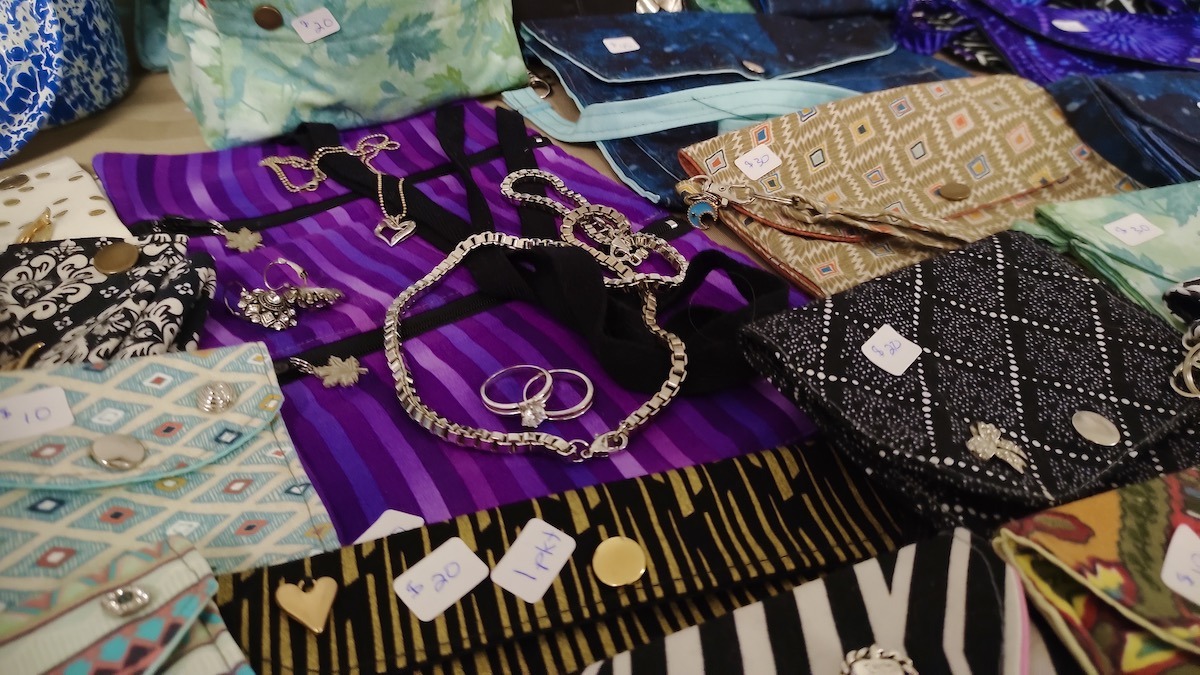
Across our spaces, tables fill up with fabric, yarn, patterns, and half-finished ideas. Knitting needles click in a kind of soft, familiar cadence. This week, Francine and Tanya have been fully immersed in that world—digging into old patterns, testing new designs, and letting the process guide them rather than rushing toward a finished product. There’s something meaningful in that kind of exploration, especially in winter, when time feels a little more reflective.
Crafting like this isn’t separate from the arts—it’s foundational to it. Sewing, knitting, and quilting have long been part of artistic practice, even if they’re sometimes overlooked in broader conversations about the arts sector. These forms carry history, culture, and identity. They’re storytelling mediums in their own right, stitched together through generations. Every pattern holds memory. Every piece carries the imprint of the person who made it.
For many artists, working with textiles offers something different than digital or screen-based work. It’s tactile. It requires patience. It invites mistakes and adjustments in real time. There’s no “undo” button—just learning, adapting, and continuing. That kind of process builds a different relationship to creativity, one that values time, care, and attention over speed.
We see more and more artists moving fluidly between disciplines—someone might spend part of the day designing digitally, and another part sewing or knitting. These practices don’t compete with each other; they inform one another. Craft work can inspire visual storytelling, influence design thinking, and even shape how people approach larger creative projects. It’s all connected.
Supporting crafting within the arts sector matters because it broadens what we recognize as valuable creative work. It makes space for artists who might not identify with traditional labels but who are deeply engaged in making. It also strengthens community. Crafting is often shared—patterns are passed around, techniques are taught informally, and conversations happen naturally while hands stay busy. In a season where isolation can creep in, that matters more than ever.
There’s also something quietly powerful about reclaiming time through these practices. In a world that pushes constant output and visibility, crafting allows people to slow down and create for the sake of creating. Not everything has to be optimized or shared immediately. Sometimes the value is simply in the making.
That’s what we see when Francine and Tanya sit down with their materials—not just productivity, but presence. Curiosity. A willingness to explore without pressure. And that energy carries outward. It reminds others that there’s room here for all kinds of creativity, whether it happens on a screen or through a needle and thread.
Winter may limit where we can go, but it also creates space for this kind of work to grow. And in many ways, that quiet, steady creativity is what keeps the broader arts ecosystem strong.