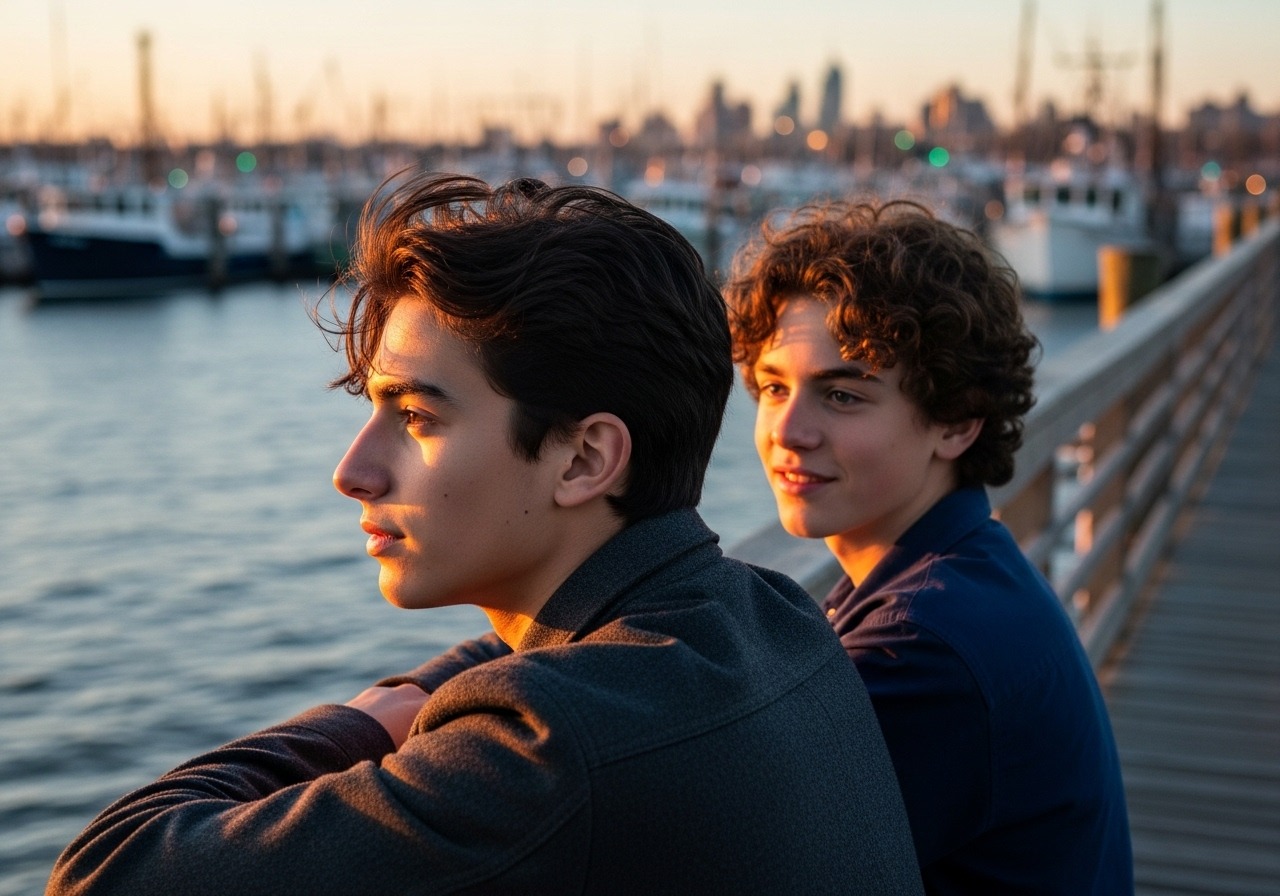
A community-driven project exploring storytelling through playful human–AI collaboration, turning digital writing into shared creative experiments.
We’ve all watched the online conversation around creative technology turn into a loud, exhausting shouting match. On one side, people act like every new digital tool is the end of human artistry. On the other, tech evangelists talk in dry, alienating business speak about optimization, efficiency, and automated pipelines.
Lost in all that noise is the sheer, simple joy of making things. We wanted to step outside that high-stakes debate and build a digital sandbox where creativity is experimental, social, and, above all, fun.
And it really was fun! And that was the core of our Summer Stories Project.
Our project began with a quiet, rebellious idea: what would happen if modern language systems were treated not as auto-pilot engines replacing writers, but as strange, hyper-associative partners in a grand literary game? We weren’t interested in generating stories at the push of a button to flood the internet with generic content. Instead, we wanted to build a playground where authors, casual readers, and curious neighbors could sit together, play with narrative fragments, and experience the tactile satisfaction of making physical art in a digital age.
This project was built for the pure love of craft and to explore new technologies. It represents a living experiment in what happens when classic storytelling is mixed with applied, hands-on community research. We’ve discovered that when systems are demystified, people gain the confidence to play with them, twist them in unexpected directions, and walk away with a deeper understanding of how modern media is made.

The Joy of the Sandbox: Reclaiming Play in a Productive World
Modern digital life is intensely focused on productivity. Every app we open wants to help us work faster, schedule smarter, or optimize daily routines. Somewhere along the way, we forgot how to use screens just to experiment and see what happens. This summer story project was built as an antidote to that hyper-efficient mindset. It is a space where the final product matters far less than the messy, laughter-filled process of getting there.
Storytelling has always been a social act, but over the last century most narratives have been consumed alone in front of screens or pages. We wanted to bring back the collaborative spirit of surrealist writing parlors. Games like Exquisite Corpse—where one person writes a line, folds the paper, and passes it on—were never about polished masterpieces. They were about the delight of unexpected minds colliding.
We bring that same collaborative friction into a digital space. When a writer sits at the interface, they are not engaging with a sterile machine that “writes for them.” They are playing a fast-paced game of creative tennis. The user begins with a draft. The system returns something slightly offset and unexpected. The writer reacts, steering the narrative in a direction neither would have reached alone. It becomes a dance driven entirely by human intuition, keeping the story grounded, alive, and unpredictable.
This kind of experimentation is freeing. Without pressure to produce a “perfect” literary work, writers take risks they normally wouldn’t. People who usually plan every plot point suddenly chase spontaneous tangents. Writing becomes a game again, closer to childhood storytelling than professional production.

Demystifying the Black Box: True Digital Literacy Is Hands-On
Digital literacy is often discussed in abstract, institutional language filled with warnings about algorithms, data, and safety systems. While those concerns matter, the best way to understand technology is to open it up and start interacting with it directly. You don’t learn how a car works by reading a manual; you learn by getting under the hood.
Many people feel intimidated by generative systems because they are presented as mysterious, all-knowing entities. This framing is disempowering. It turns users into passive consumers of something they cannot influence. This project works against that by revealing the process as something understandable and interactive.
Working directly with text generation shows that these systems are highly sophisticated pattern machines. They do not possess feelings, lived experience, or human insight. They generate based on structure and probability. Human input provides meaning, context, and direction. Once this is understood, fear gives way to curiosity. Users begin to notice repetition, structural habits, and predictable patterns. They also begin to see where human intervention is essential.
True literacy is not about technical mastery. It is about critical awareness. When participants notice recurring narrative structures or predictable phrasing, they begin to see the seams in digital content everywhere. This awareness reshapes how they read, write, and interpret media beyond the project itself.

The Art of Friction: Why Humans and Systems Need to Collide
The most interesting creative moments emerge from resistance. If a system simply delivered expected results, the process would be dull. It would resemble talking to someone who agrees with everything you say. Instead, the value lies in misalignment—the moments when interpretation goes slightly off-course.
A writer might introduce a character “feeling blue,” intending emotional sadness. A system might interpret that literally and introduce cobalt paint or a surreal blue landscape. A rigid writer might reject this, but an experimental one follows it. Suddenly, a new narrative branch emerges that neither participant planned.
These unexpected outcomes are the foundation of interdisciplinary creativity. They force departures from habitual thinking. By treating the system as a dialogue partner rather than a tool, the process becomes a negotiation where the human guides direction but remains open to surprise.
This friction also highlights the uniqueness of human creativity. Systems can reproduce patterns, but they struggle with eccentricity, irony, and unspoken meaning. Human writers, in response, sharpen their own expressive choices. They push toward specificity, nuance, and lived detail that cannot be statistically predicted.

Tangible Magic: Bringing the Digital Back to the Physical World
Much of modern life exists in ephemeral digital spaces. Messages, posts, and shared content disappear quickly into timelines. There is a growing desire for physical artifacts that endure—objects that can be held, stored, and revisited. This project responds to that need by extending beyond the screen.
Collaborative sessions are translated into physical outputs such as printed zines, chapbooks, and formatted booklets. The goal is to give digital creativity permanence and texture. There is a distinct sense of meaning when a co-written story becomes a physical object shared with others.
This shift changes how participants engage with the process. Knowing that work will become tangible encourages care in layout, pacing, and visual structure. It reintroduces elements of traditional publishing into a fast, experimental digital environment.
It also strengthens community connections. Printing and assembling zines becomes a social activity. People gather, fold pages, bind materials, and talk about their stories. These sessions often become the most meaningful part of the process, where relationships form and ideas expand beyond the digital space.
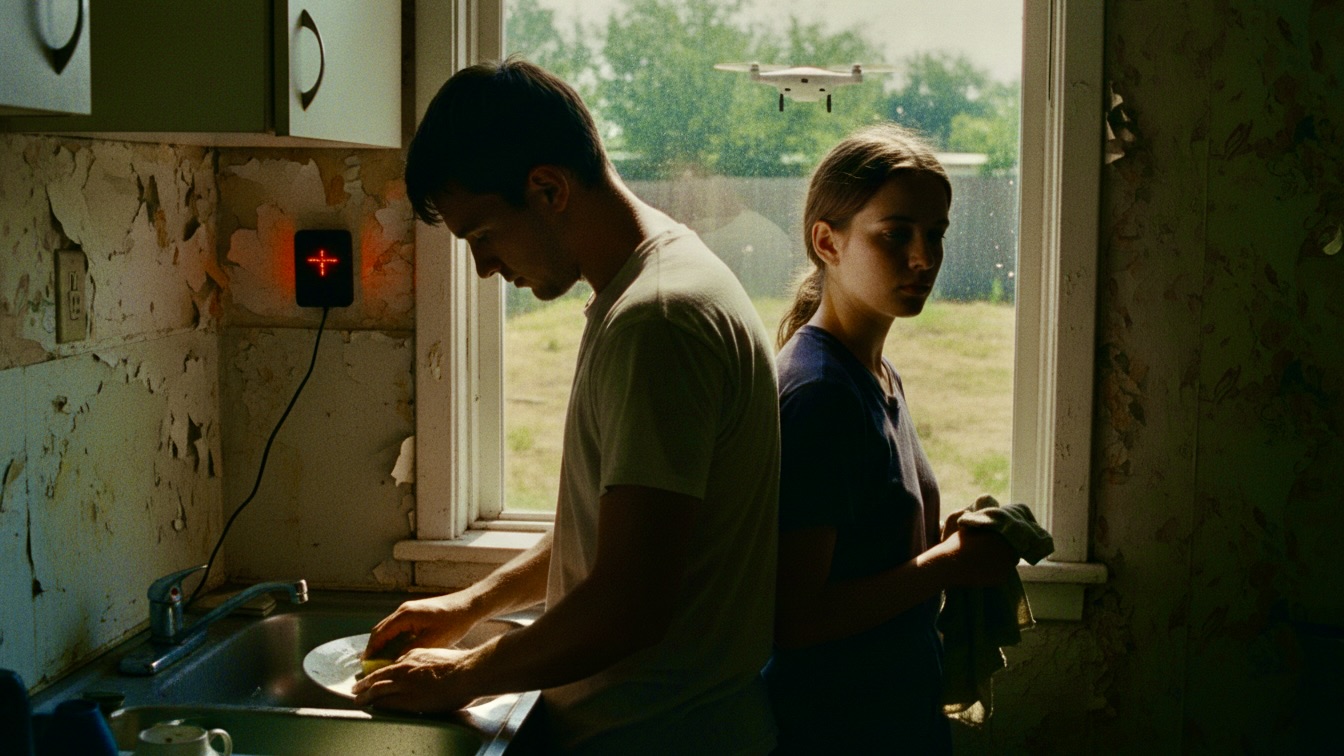
Crafting Community: Participatory Art in Action
Art often feels exclusive due to invisible barriers in galleries, journals, and formal studios. This project challenges that by treating creativity as open participation rather than specialized expertise. Everyone is considered capable of contributing.
Rather than building an isolated application, the goal is to create a social catalyst. Shared writing sessions transform storytelling from a solitary task into a collective experience. People with no recent writing experience sit alongside experienced storytellers, reacting together to unpredictable outputs.
This participatory model supports democratic digital literacy. If only corporations and academic institutions shape creative technology, the human dimension is lost. Community-led engagement ensures these tools reflect real use cases, local culture, and diverse voices.
Each story generated in this sandbox becomes part of a collective archive. It is not a polished database of perfect prose, but a messy and vibrant record of shared imagination. It captures a moment in time where people played, learned, and created together.
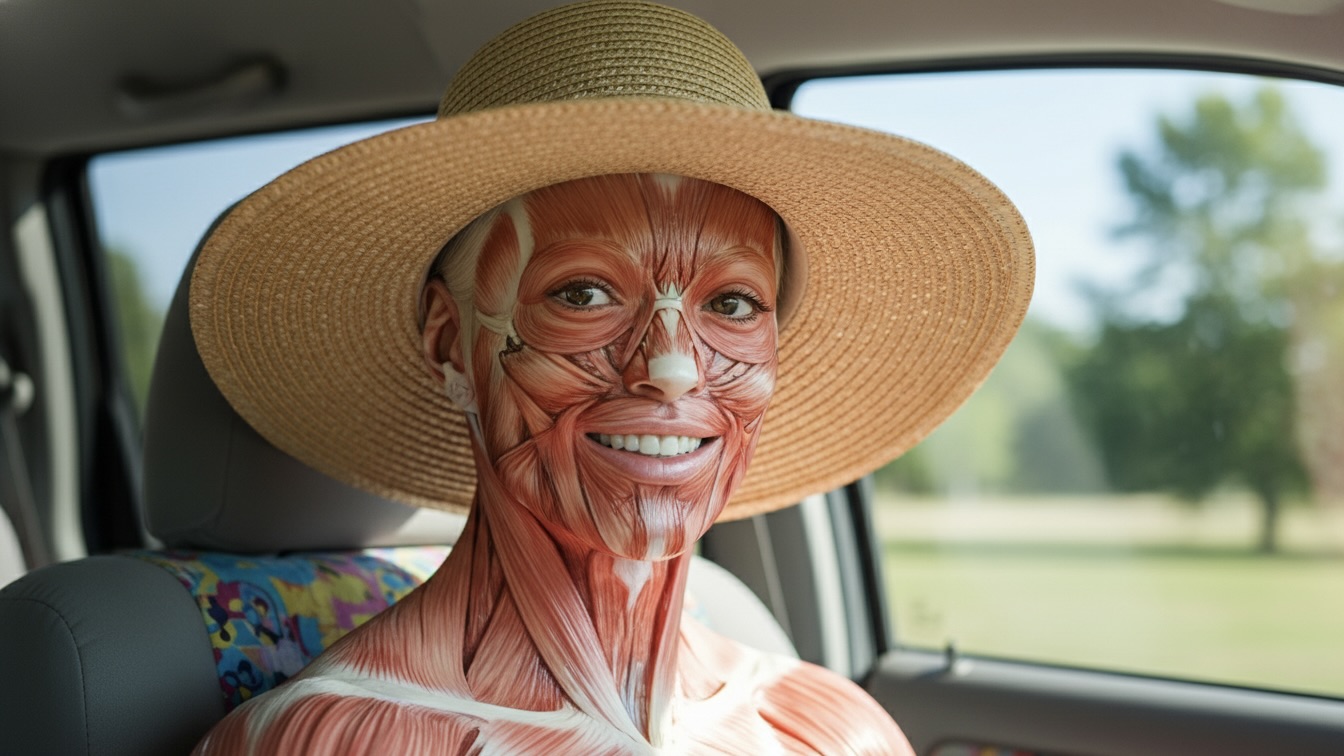
The Beauty of the Unpolished: Emphasizing the Human Grain
Mainstream technology narratives often emphasize perfection—flawless outputs, instant results, and seamless automation. Yet perfection is often sterile. It is imperfection that gives art its life.
This project embraces irregularities. When human and system outputs collide, strange transitions and unexpected phrasing are preserved rather than corrected. These artifacts represent the “human grain” of the work—the visible evidence of collaboration and tension between different forms of intelligence.
Storytelling here is treated as exploration rather than production. Instead of assembling polished outputs, participants navigate unpredictable terrain, discovering unexpected paths and creative detours along the way.
This approach is especially important for younger creators shaped by curated social media environments. It offers a space where mistakes are not only accepted but valued. Errors often become the starting point for stronger ideas. Creativity becomes a safe environment for experimentation, failure, and growth.

The Great Skill-Building Side Effect: What We Actually Learned While Playing
As with a lot of our projects, we didn’t set out with a strict curriculum in mind. True digital literacy doesn’t happen when you’re sitting through a dry PowerPoint presentation about database architectures or computational linguistics. It happens when you are desperately trying to get a funny pirate story to output as a clean PDF or EPUB so you can show your friends.
Our hands-on approach naturally guided us through a massive array of interdisciplinary skills, turning the project into an accidental classroom.
Creative Storytelling and Narrative Architecture
Working alongside automated writers forces you to think deeply about how stories are physically built. We had to break stories down into their structural building blocks: pacing, character entrances, tonal consistency, and satisfying cliffhangers. We discovered how hard it is to maintain narrative gravity across multiple serialized chapters. Learning how to steer a story without writing every single word yourself turns you into a hybrid role of writer, creative director, and editor-in-chief.
Practical AI and Computational Literacy
Our generation loves to talk about “prompting,” but the real literacy lesson is understanding the boundaries of these systems. We quickly realized where the automation shines and where it falls flat on its face. We learned how to write strict, detailed stylistic blueprints that prevent the system from spitting out generic corporate fluff. Demystifying these models takes away their scary, pseudo-magical aura. You start seeing them as highly complex statistical calculators that you can steer, argue with, and refine.
Digital Literacy and Agentic Workflows
Building this playground meant figuring out how to let different systems talk to each other without human hand-holding. We designed setups where an input from a user triggers a structured, multi-step generation chain. The text needs to be formatted into clean chapters, and automatically structured before it ever hits the screen. Designing these chains teaches you how to think in systems. It shifts your mindset from being a passive consumer of digital tools to a creator who can orchestrate complex, automated helper networks.
Web Design and Aesthetic Presentation
Words deserve a gorgeous frame. We spent a lot of time thinking about typography pairing, line-height, and generous layout spacing. We wanted the text to be a absolute joy to read, keeping the outer workspace clean, open, and visually silent. Designing this interface taught us the power of negative space and responsive design. A screen that displays stories should feel like a quiet library corner, not an noisy social media feed screaming for your attention.
Database Fundamentals and Archive Management
Stories need a home that lasts longer than a browser refresh. We incorporated a database to save every generated chapter, keep them organized by series, and track our narrative progress. Figuring out how to structure these tables, link chapters together, and retrieve them on command demystified one of the most critical backbones of the modern internet. It turns out that organizing data is a highly creative act in its own right, giving permanence to our transient digital thoughts.
Participatory Research: Leaving the Whiteboards Behind
A lot of research about collaborative writing and human-computer interaction happens in quiet university labs or corporate think tanks. We preferred a much louder, sillier, and more participatory environment. We wanted to see how real people react to this system when they’re allowed to experiment without any high-stakes pressure.
Our prototype acts as a live, evolving laboratory. We can watch how people play with different narrative knobs, toggle genre settings, and react when their customized instructions turn into wild, unexpected stories. Some users tried to push the system to its absolute limits, while others used it to write slow, atmospheric scenes about mundane, everyday routines.
This informal feedback loop taught us that people don’t actually want a giant “write-a-book-for-me” button. They want to co-create. They want to adjust the sails, argue with the draft, tweak the vocabulary, and have a hand in the final output. That active friction is where the genuine magic of modern digital art actually lives.
Looking Ahead: The Horizon of Co-Creative Arts
The intersection of literature, community practice, and generative systems is only beginning to be explored. The future of creative technology should not focus on replacing human effort, but on building expressive instruments that expand what people can do creatively.
The goal is to create systems that behave like instruments rather than replacements—tools that respond, challenge, and amplify human imagination.
We hope this project inspires others to build similar digital sandboxes. Spaces where technology is approached as play rather than competition or control. Spaces where people can gather, experiment, and discover what emerges when code, community, and storytelling intersect.
This work will continue through printed zines, shared files, and collaborative sessions. Technologies will change, platforms will shift, and systems will evolve. But the shared laughter, the physical artifacts, and the joy of finding the right word together are what endure.
Click here to explore the Summer Short Stories project.
How This Project Benefits Writers, Educators, and Tech Lovers
- For Creative Writers: This tool turns the intimidating blank page into a collaborative conversation, helping writers experiment with different constraints, structural rules, and unusual pacing.
- For Digital Educators: Our sandbox demystifies databases, prompting logic, and document formatting through hands-on, high-interest creative projects.
- For Zine Makers and Independent Publishers: We bridge the gap between digital generative layouts and physical, folding print editions, making self-publishing incredibly easy.
- For Creative Technology Researchers: We are actively studying how playful, guided collaborative sandboxes can protect human writers’ agency and stylistic control over automated outputs.