When the nearest hardware store is 110 kilometres away, you learn to work with what you have.
Wild clay processing doesn’t always require fancy equipment. As with a lot of our arts and community projects, we always try to do things with as little spending as possible. Not everyone has a huge budget, or the resources to. But people have been making pottery for thousands of years with next to nothing, and that’s where we’re having the most fun.
Sometimes it just takes a little creativity, a couple of rocks, and an old T-shirt.
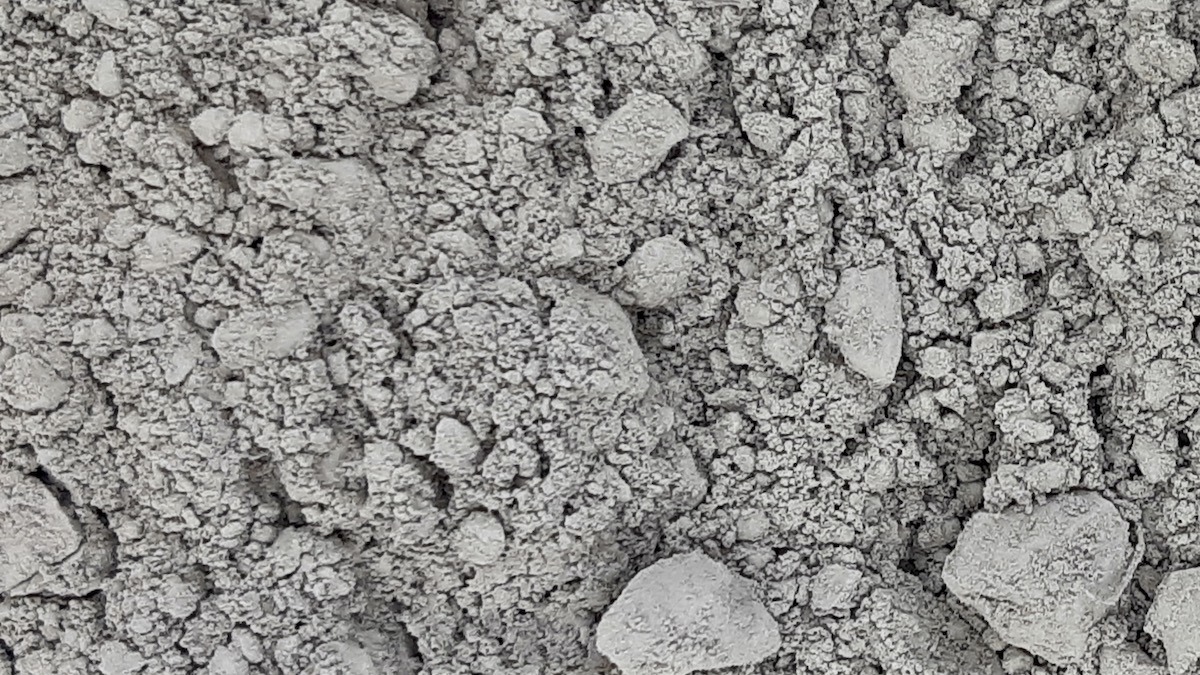
After digging up our wild clay last month, we let it soak in water, strained it several times to remove roots and debris, and then left it to dry in a shallow pan for about a week in the summer sun. Once it had hardened again, it was time for the next step: turning it back into a fine powder.
Out at our land lab, buying specialized tools wasn’t really an option. The nearest hardware store is a 110-kilometre round trip, so we looked around at what we already had. Normally we’d use a paint strainer, or a finer filter but a window screen and old t-shirts was all we had on hand. But we can always filter it and refine it more later!
The solution was surprisingly simple.
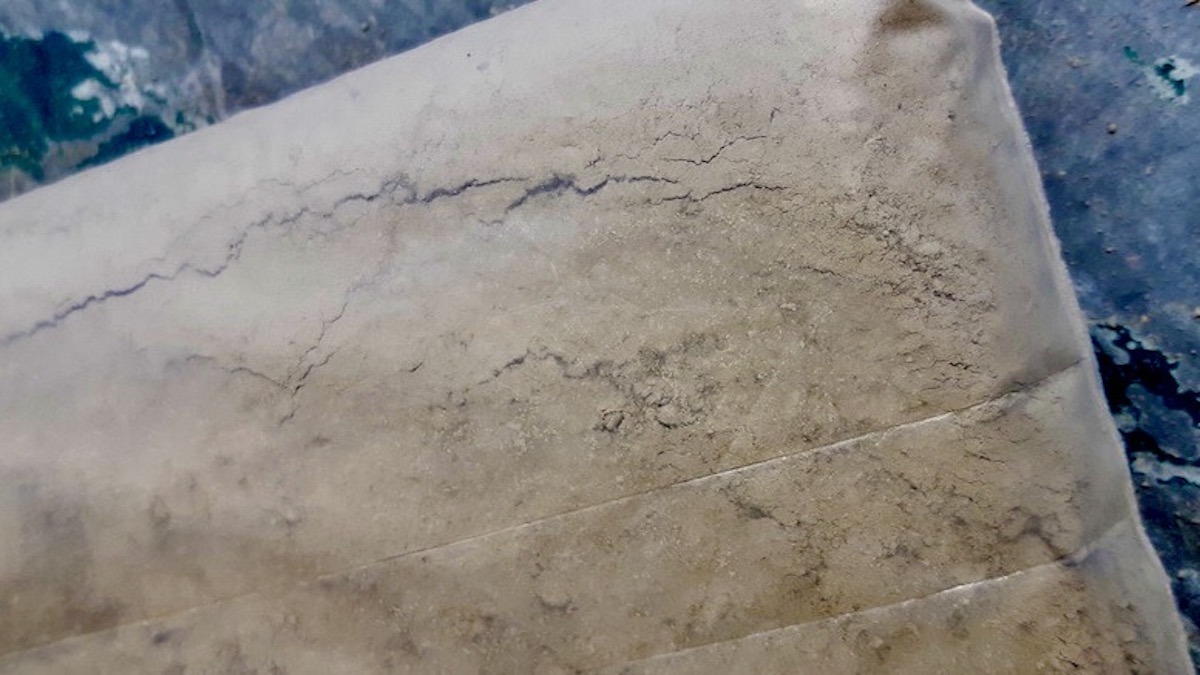
We break the dried clay into manageable chunks, wrap them tightly inside an old T-shirt, and use two big rocks to do the rest. A flat rock makes a solid base while a larger rounded rock works like a hammer, crushing the clay into a fine powder inside the fabric. The T-shirt keeps the pieces contained and saves the clay from scattering everywhere.
It takes a bit of muscle, but it’s effective—and it’s a pretty good workout, too!
Once the clay is finely crushed, we pour the powder into a zip-top bag until we’re ready for the next stage of processing. It’s a simple, low-cost method that uses everyday materials, proving that you don’t need expensive equipment to start exploring wild clay and natural pottery.
Sometimes the oldest methods are still the best ones.