Processing Wild Clay for Pottery Use
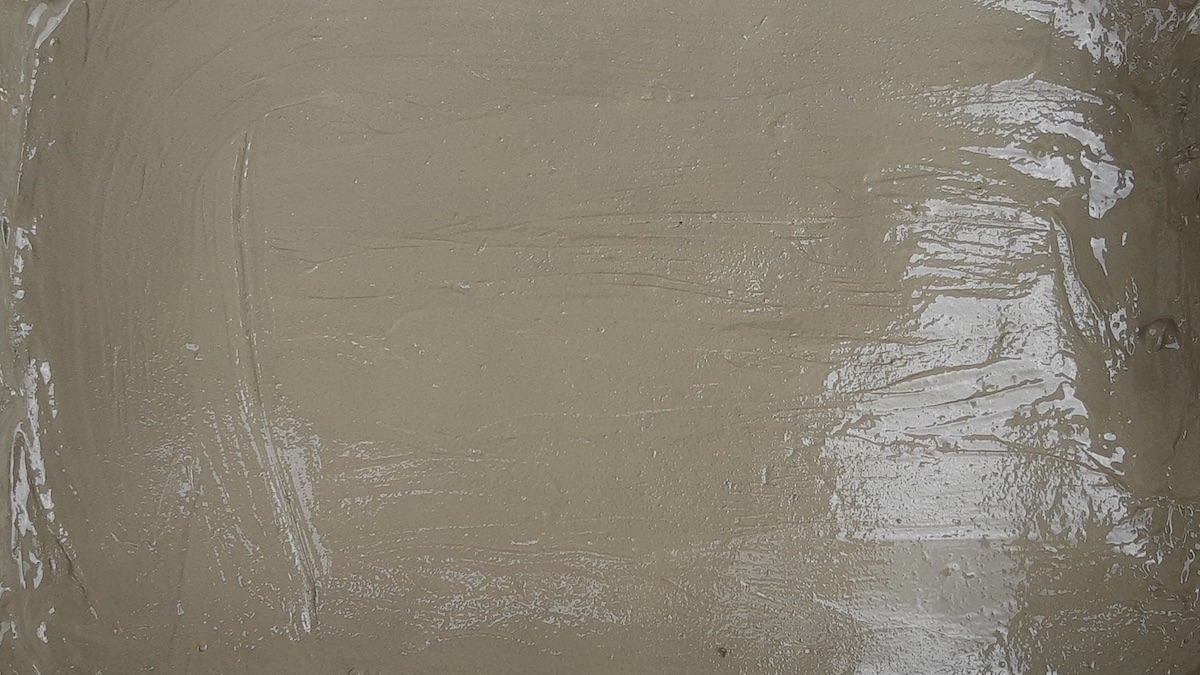
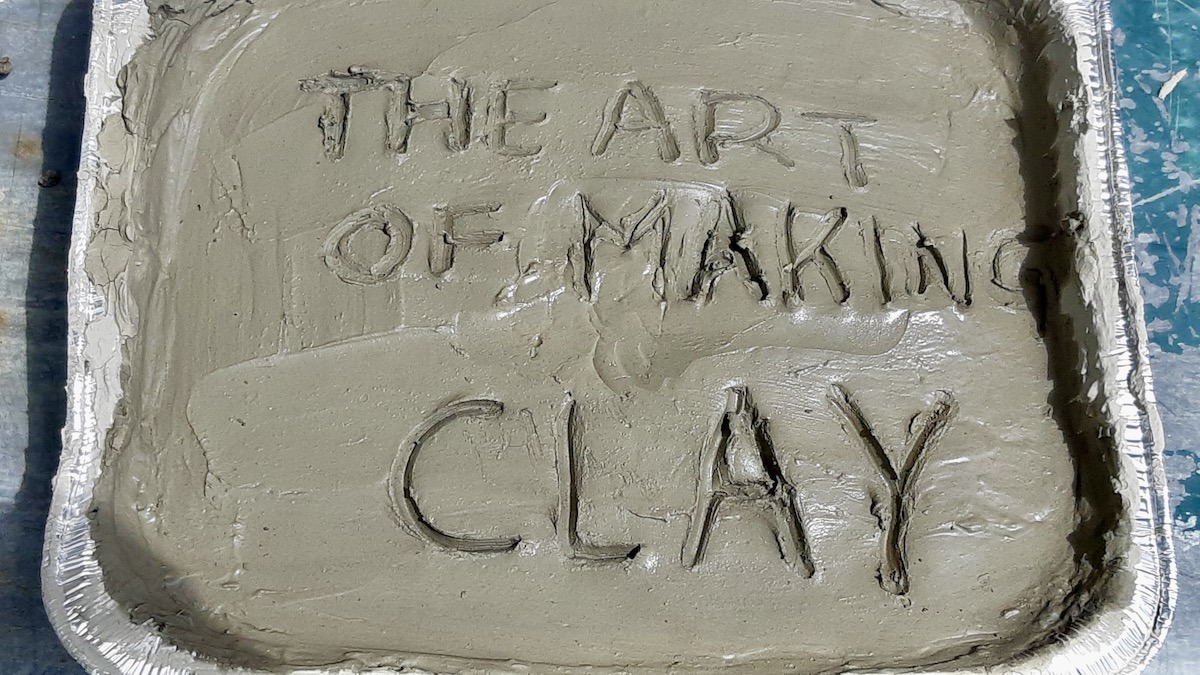
This summer, one of our fun projects is learning how to process our own wild clay for use in future pottery and ceramics projects. Instead of relying on commercial clay, we’re working directly with material collected from the Melgund and Revell Township areas of Northwestern Ontario to understand what it takes to turn raw ground into something usable.
Here’s what we’ve learned so far:
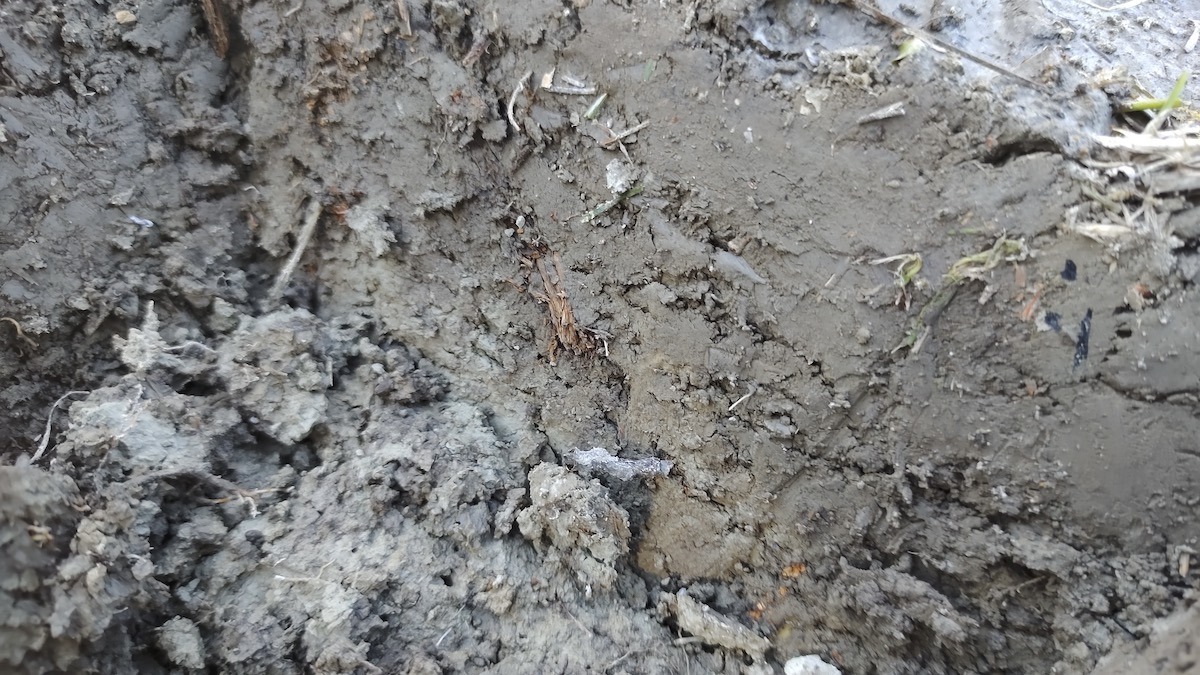
The process starts with washing and screening the material. After a couple passes through basic window screens, the obvious debris like roots, pine needles, and coarse sand is removed. At that point, the slurry looks smooth, but it isn’t. If you run it between your fingers, you can still feel a fine grit. Those remaining particles are small enough to pass through a screen, but large enough to cause problems when working with the clay.
To deal with that, our material needs another stage of processing. The slip will be left to dry completely until it becomes hard and brittle. Then, it will be broken down and crushed into a fine powder before being passed through a tighter 80- or 100-mesh sieve. This step will remove the remaining fine grit and brings the particle size closer to what we’d expect from a workable clay body. Once rehydrated, the material will become far more consistent and usable.
Balancing Plasticity and Grit
How much processing is needed depends on how the clay will be used.
For wheel throwing, finer material is important. Even small amounts of grit can damage the surface of a piece, interfere with shaping, and lead to cracking as the clay dries. A more refined clay body is smoother, more predictable, and easier to control.
For hand-building and pit firing, some of that natural grit can actually be useful. It helps reduce shrinkage and gives the clay more stability, especially when working with larger forms or uneven firing conditions.
For this reason, we’re splitting the batch. One portion will be fully refined for throwing and testing, while another will be left slightly coarser for hand-built work. Both come from the same source, but they behave differently depending on how much they’re processed.
This project is as much about understanding the material as it is about using it—seeing firsthand what’s in the ground, and what it takes to make it work. It’s also a great way to be outdoors, working with our hands.
Over the coming weeks, we’ll have more updates on how what we’re learning and how we’re applying our new skills.
Time to get our hands dirty!