How North America’s Largest Waterfowl Made a Miraculous Comeback in the Pristine Wetlands of Northwestern Ontario
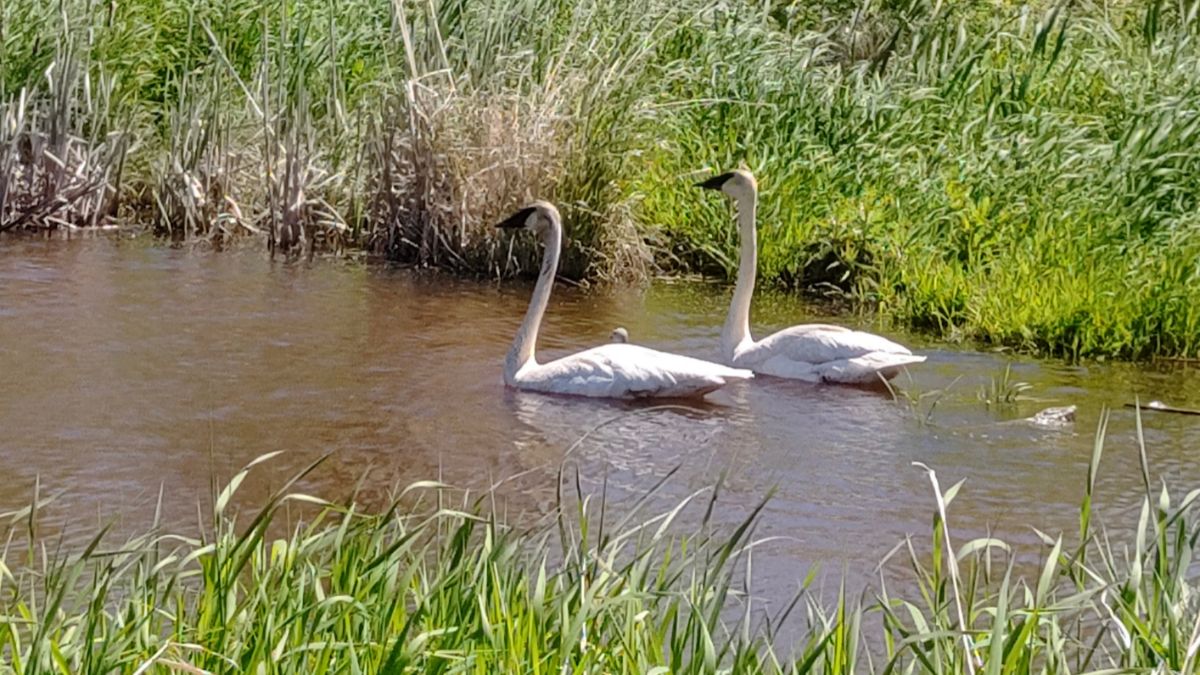
The sight of a Trumpeter Swan gliding silently through a quiet northern waterway is one of the most breathtaking encounters a person can have in the Canadian wilderness. Moving gracefully through slow-moving streams and shallow ponds, these birds possess an elegant, upright posture and an air of ancient tranquility. They are the largest native waterfowl species in North America, boasting wingspans that can stretch up to an incredible three meters. Beyond their physical grandeur, they are well-known for their resonant, brassy, trumpet-like calls that echo across the marshlands, a distinct vocalization that easily separates them from their smaller, quieter relative, the Tundra Swan.
While they look like a permanent fixture of Ontario’s natural heritage today, these magnificent swans very nearly vanished forever. During the 19th century, early European settlers and fur trappers heavily hunted the birds for their meat, large feathers, and skins, which were used to manufacture luxury goods like powder puffs and fine leather purses in Europe. By the late 1880s, the species was completely wiped out from Ontario. It wasn’t until a dedicated reintroduction program began in the 1980s—pioneered by biologists using eggs sourced from isolated wild populations discovered in western Canada and Alaska—that the foundation was laid for the Trumpeter’s triumphant return to provincial waters.
Today, the presence of a breeding pair is a wonderful indicator of a healthy ecosystem. Trumpeter Swans are notoriously sensitive to human encroachment and require highly pristine, undisturbed wetlands with rich aquatic vegetation to feed on and build their massive nests. Because they mate for life and take several years to successfully raise surviving cygnets, their slow population growth relies heavily on the preservation of these quiet northern sanctuaries. Spotting them swimming gracefully against a backdrop of lush boreal greenery is a powerful reminder of the resilience of nature and the success of modern conservation efforts.