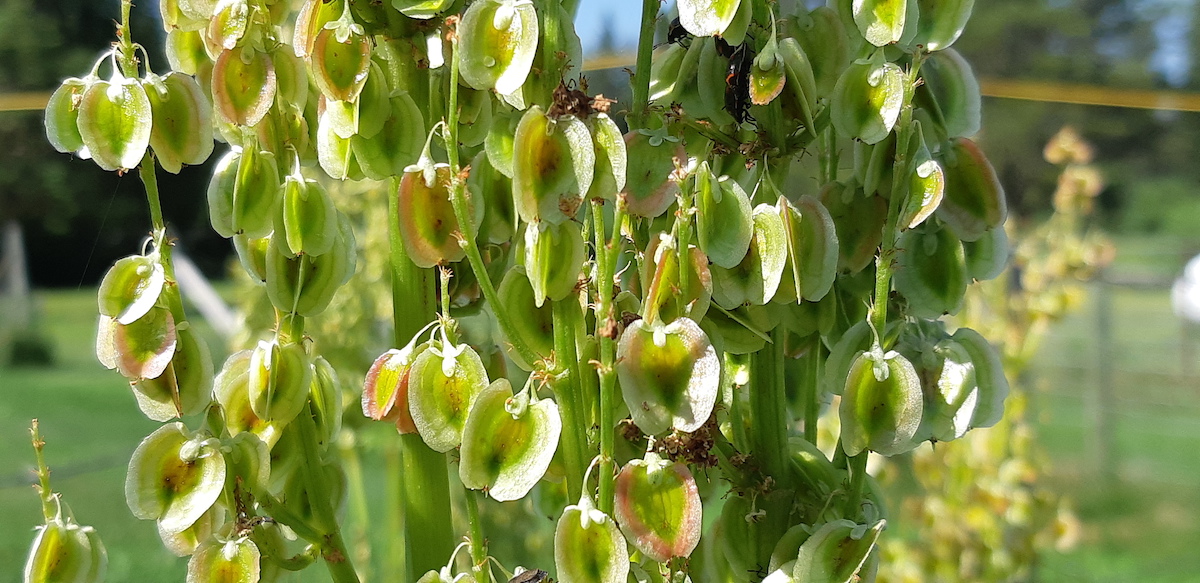
Early July is the perfect time to harvest, dry, and store your rhubarb seed heads for next year’s garden.
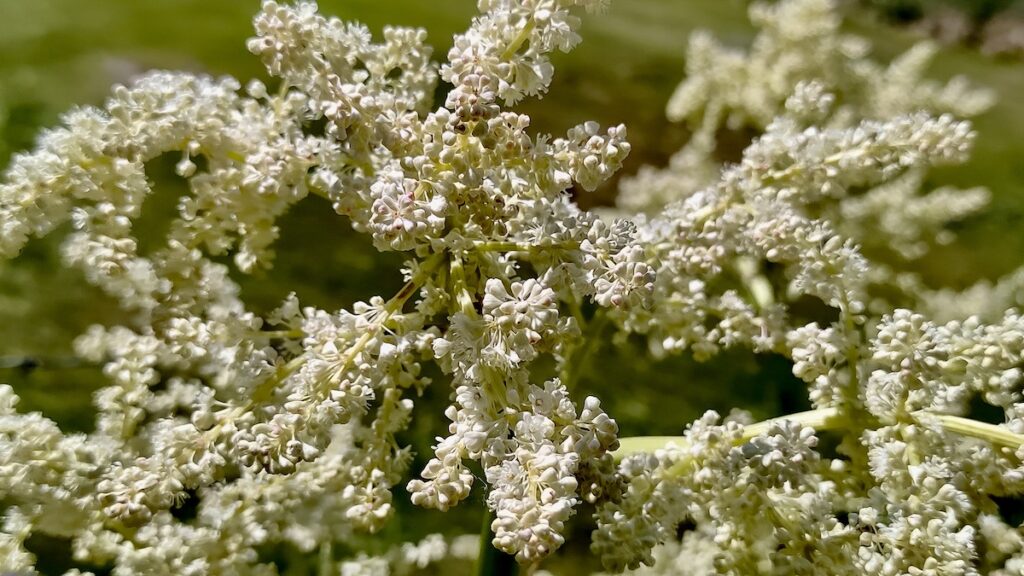
For those who garden, when you look out at your garden patch right now, you might notice your rhubarb looks less like a dessert ingredient and more like a collection of strange, architectural towers. By early July, the vibrant pink stalks we eagerly pulled for pies back in May have taken a backseat to something entirely different. The plants have finished their dramatic midsummer bloom, leaving behind dense, heavy clusters of papery, winged seeds.
While most gardeners panic when rhubarb bolts—worrying it will ruin the flavor of the stalks—this shift in the plant’s life cycle is actually an opportunity. Instead of chopping down those massive seed stalks and tossing them into the compost, you can harvest them. Saving rhubarb seeds is an easy, highly rewarding way to ensure you have an endless supply of this resilient perennial for years to come, or to pack up as gifts for fellow gardeners.
Catching the Right Moment
Timing is everything when it comes to gathering seed, and early July is prime time. You want to look closely at the color and texture of the seed pods. Right now, they are transitioning from a pale, vibrant green to a warm, dusky rose around the edges. They look almost like tiny, delicate Chinese lanterns hanging in heavy bunches.
Don’t rush to clip them while they are completely green and juicy. The seeds are ready when the wings begin to feel dry and papery to the touch, and the very center of the pod starts turning a deep, rich brown. If you wait too long into the late summer, a heavy wind or a sudden rainstorm will do the harvesting for you, scattering the seeds across your lawn.
How to Harvest Without the Mess
Harvesting rhubarb seeds is a remarkably low-tech, satisfying task. You’ll want to head out to the garden on a dry, sunny afternoon once the morning dew has completely evaporated. Damp seeds are an invitation for mold, which will quickly ruin your hard work.
Bring a pair of sharp garden shears and a large brown paper grocery bag. Cut the entire seed head stalk near its base. Instead of trying to pick the tiny seeds off the plant while standing in the dirt, invert the giant stalk directly into the paper bag and snip it into manageable chunks. The bag catches any enthusiastic seeds that decide to drop early, keeping your garden paths clean.
The Drying Phase
Even if the seeds look and feel dry outside, the thick stems hold an incredible amount of moisture. Giving them a proper curing period ensures they won’t rot during storage.
Keep the seed clusters inside that paper bag and set it in a warm, dry room with good air circulation—a pantry, a screened porch, or a spare bedroom works perfectly. Give the bag a gentle shake every couple of days to redistribute the pods and make sure air can circulate around everything. Within two to three weeks, the stems will snap easily, and the seeds will turn a uniform, brittle brown.
To separate the seeds from the chaff, simply rub the dry clusters between your hands over a shallow baking sheet. The papery wings will slide right off the central seed. You don’t need to be overly meticulous about removing every single bit of debris; a little bit of dried pod won’t hurt anything.
Tucking Them in for Winter
Once your seeds are completely dry and separated, it’s time to prepare them for winter hibernation. The enemies of seed longevity are heat, light, and moisture.
Pour your clean seeds into small paper envelopes or glass jars with tight-fitting lids. Label them clearly with the variety of rhubarb and the harvest year. Store the containers in a cool, dark, and dry place—a drawer in an unheated basement or the back of a cool closet is ideal. Kept this way, rhubarb seeds will remain viable for about three years. When spring rolls around, you’ll be entirely ready to plant a whole new generation of tart, vibrant stalks.