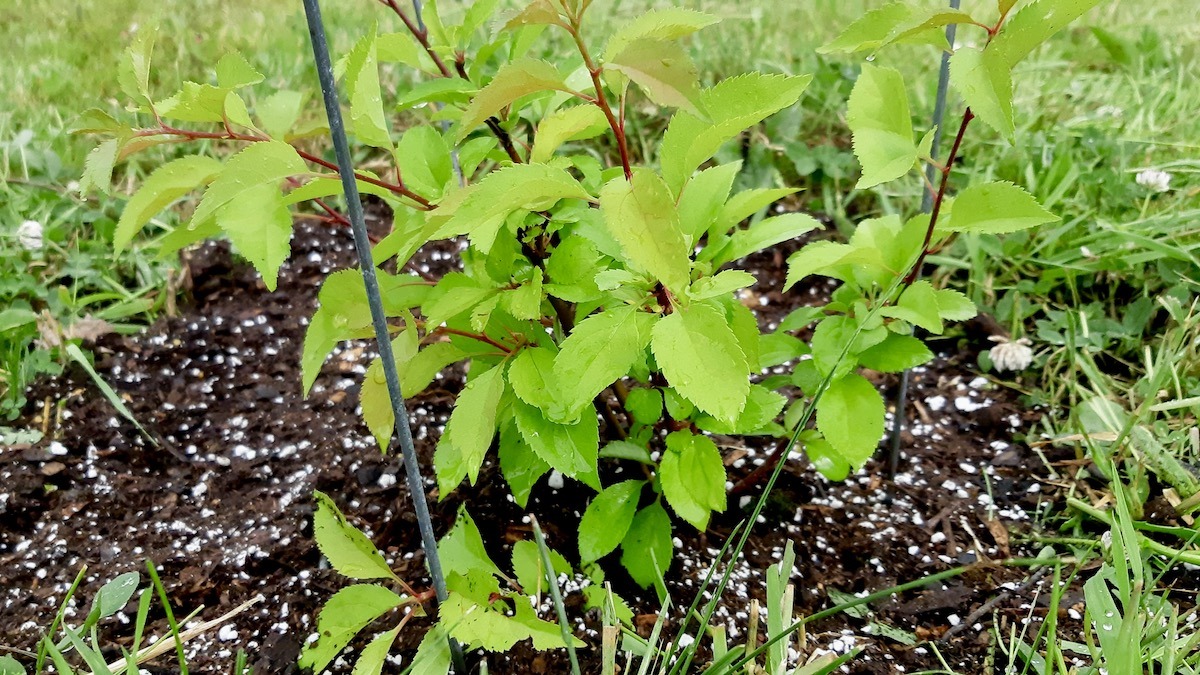
Learn how to care for apple trees with some simple tips
Planting an orchard is an investment in the future of your garden, and understanding how to care for apple trees is the key to turning those young saplings into heavy producers of crisp, sweet fruit. While apple trees are generally resilient once established, they require intentional maintenance throughout the year to stave off pests, maximize fruit size, and ensure structural integrity. From selecting the right site to mastering seasonal pruning, a proactive approach to tree management makes all the difference.
Establishing the Foundation: Sunlight, Soil, and Cross-Pollination
A primary consideration in how to care for apple trees begins on the day they are planted. Apple trees demand full sunlight, requiring at least six to eight hours of direct exposure daily during the growing season. Adequate light is essential not only for fruit development but also for keeping the inner canopy dry, which naturally minimizes fungal issues.
The soil should be fertile, deep, and well-draining, with a preferred pH between 6.0 and 6.5. Because heavy, waterlogged clay can induce root rot, ensuring proper drainage is a critical component of initial tree placement. Furthermore, most apple varieties are not self-fertile. When learning how to care for apple trees, gardeners must plan to plant at least two different compatible varieties nearby to ensure proper cross-pollination by local bees.
Watering Requirements and Nutritional Balance
Proper hydration is another essential element of how to care for apple trees, particularly during their formative years. Newly planted trees need a deep watering session once or twice a week to help their extensive root systems establish. For mature, bearing trees, standard rainfall is often sufficient, but supplemental watering becomes necessary during prolonged summer dry spells to prevent the developing fruit from dropping early.
Fertilization should be handled with caution. Applying a layer of organic compost around the base of the tree in early spring provides a steady release of nutrients. However, over-applying nitrogen-heavy fertilizers can trigger excessive foliage growth at the expense of fruit production, while also making the tender new leaves more susceptible to aphids and fire blight.
Pruning and Fruit Thinning for Quality Yields
Maintaining the structural health of the canopy is perhaps the most hands-on aspect of how to care for apple trees. Pruning should be executed annually during late winter when the tree is entirely dormant. The goal is to remove any dead, diseased, or crossing branches while opening up the center of the tree to maximize air circulation and sunlight penetration.
As spring transitions into summer, learning how to care for apple trees effectively also involves thinning the young fruit. Apple trees often produce more small apples than their branches can structurally support. In early summer, thin the clusters down to one robust apple per cluster, spaced about six inches apart. This practice prevents branch breakage and redirects the tree’s energy into producing larger, sweeter individual fruits rather than a massive crop of stunted ones.