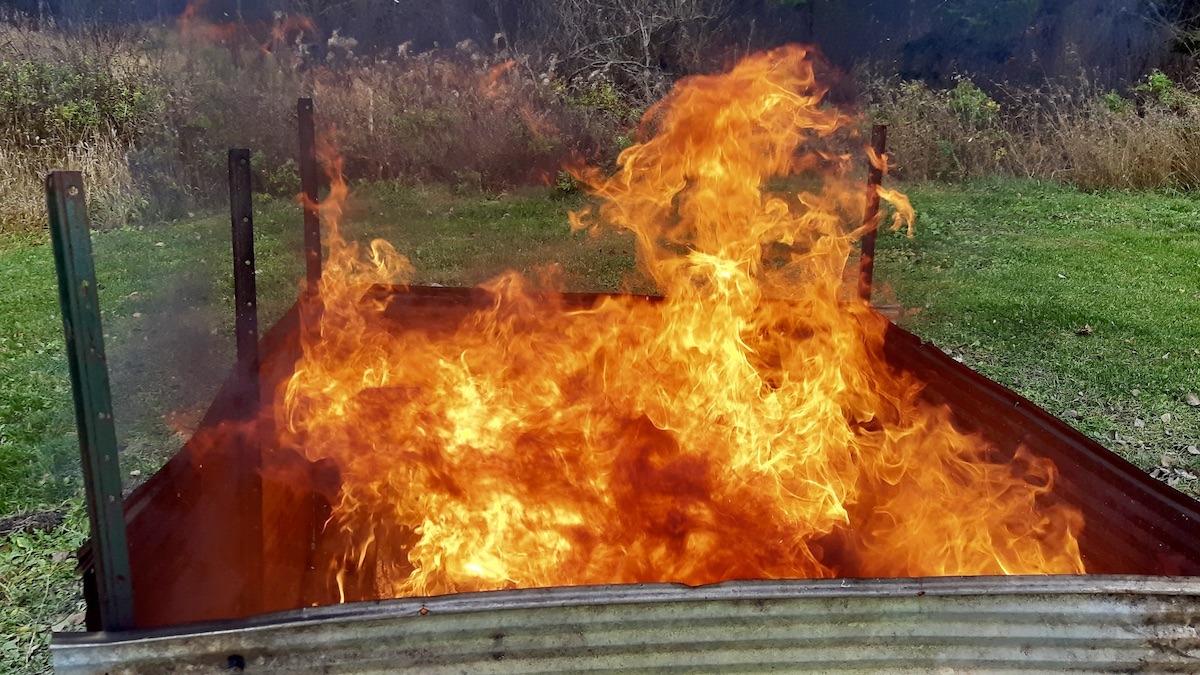
After a summer of fire restrictions, cooler and wetter weather finally gave the team at Art Borups Corners Society its chance to fire their local clay.
Sometimes a project takes a little patience. And sometimes it takes an entire summer.
We’re sending a big shout-out to our partners at the Art Borups Corners Society, who finally got to carry out their first pit firing this weekend after months of waiting for the right conditions.
The team has been collecting and experimenting with locally harvested clay from Borups Corners in Melgund Township, Northwestern Ontario, making small test pieces and preparing for the day they could put them to the fire. But with fire restrictions in place for much of the summer, the firing had to wait. The plans were there. The clay was ready. The weather simply wasn’t cooperating.
Now, with cooler temperatures, wetter conditions and winter just around the corner, the team finally had its opportunity.
And what a moment to reach.
Pit firing is a traditional way of firing clay using wood, heat, smoke and ash rather than a conventional kiln. It’s a hands-on process, and working with locally collected clay adds another layer of experimentation. The project is finding out how material from their own corner of Northwestern Ontario responds to the heat, what happens to the simple forms they’ve made, and what kinds of colours and surface changes might emerge.
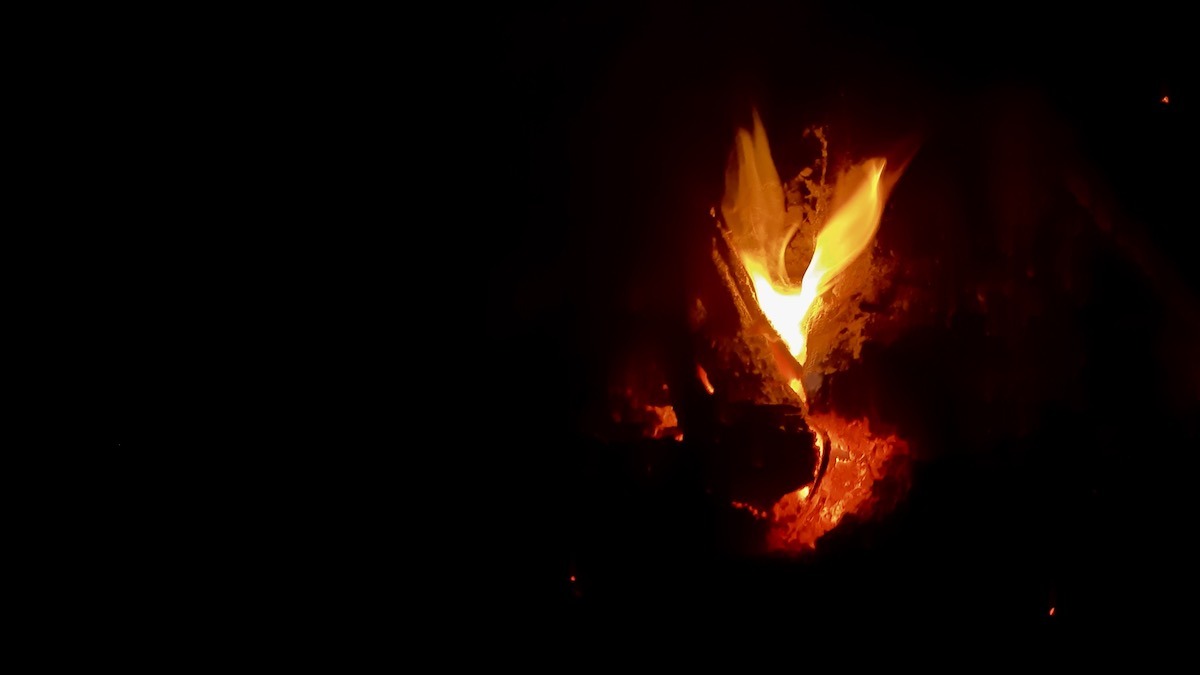
The photograph of the flames dying down captures that next stage of the process. After hours of burning, the fire begins to settle, leaving behind hot coals and ash covering the pieces below. There’s still a wait ahead while everything cools, but the firing itself is a major step forward.
We’re proud to see the team at Art Borups Corners bringing this project to life. They’ve worked hard to get this far, from collecting local clay and slaking it down to processing, cleaning and preparing the material by hand, then shaping test pieces and getting everything ready for firing. It’s a hands-on process that took a lot of time, patience and plenty of experimentation, especially when the weather didn’t cooperate.
Congratulations to the whole team on getting this first firing done! We’re cheering you on, and we can’t wait to see the results of all that work.
But now comes the hardest part: waiting for everything to cool enough to take a look.