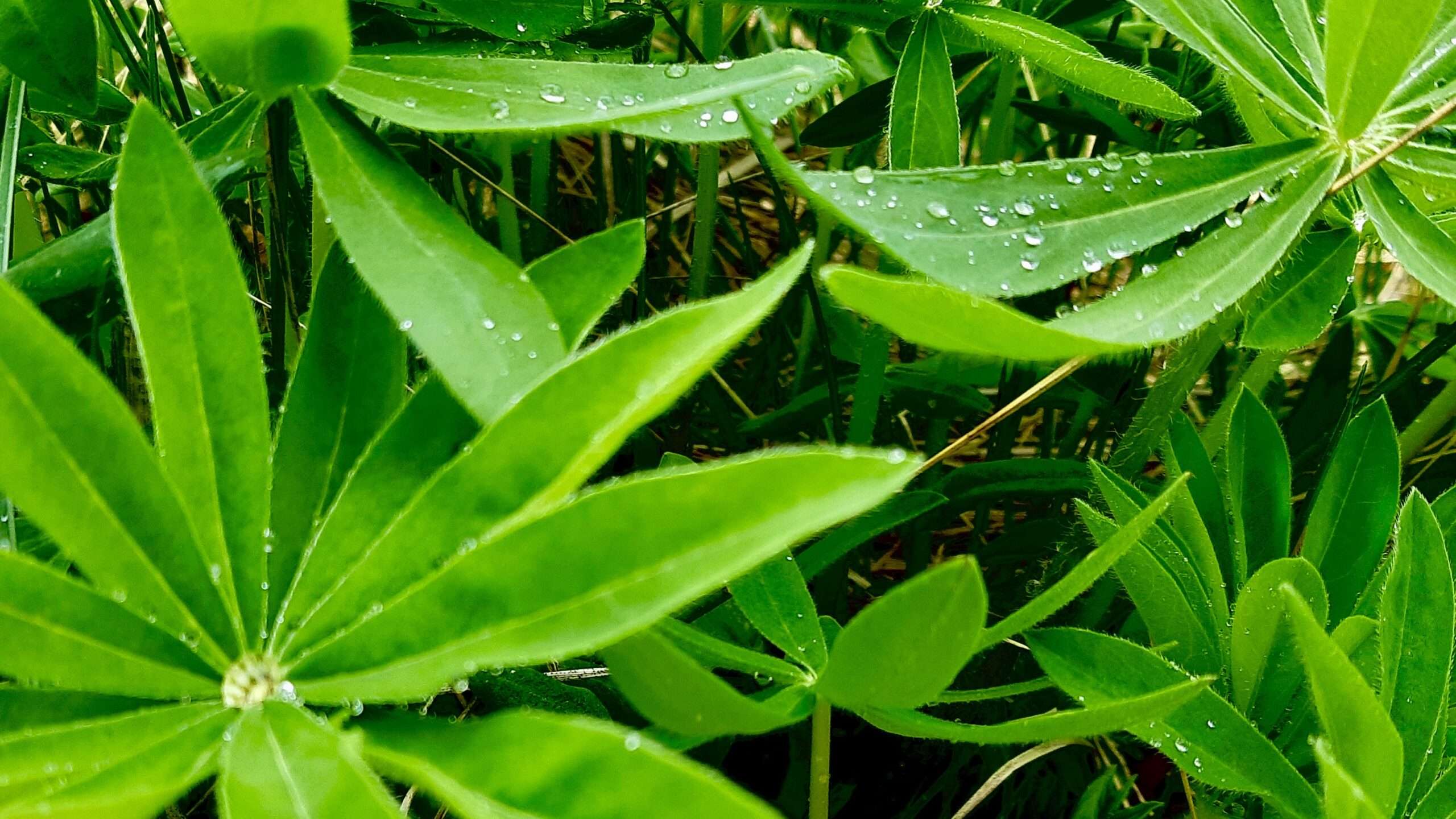
A Beautiful Ally for Soil, Pollinators, and People
Lupins (Lupinus spp.) are more than just eye-catching wildflowers. These hardy plants are a common sight in Northwestern Ontario, thriving in ditches, open fields, and regenerating forest edges. With their signature palm-shaped leaves and vibrant flower spikes that bloom in shades of purple, pink, and white, lupins are both visually striking and ecologically valuable.
One of their most powerful qualities is their role in soil health. As nitrogen-fixing plants, lupins pull nitrogen from the air and convert it into a form that enriches the soil. This natural fertilization process reduces the need for chemical inputs and supports more resilient ecosystems, especially in degraded or low-nutrient soils. They’re a powerful tool in regenerative agriculture and rewilding projects, helping to restore balance where it’s been lost.
Lupins also serve as a vital food source for pollinators, including bees, butterflies, and hummingbirds. Their tall, dense flower stalks attract a wide range of beneficial insects, which in turn support biodiversity and strengthen local food webs. Even outside of bloom season, their dense foliage provides cover and microhabitats for many small creatures.
Whether you’re growing a pollinator-friendly garden, improving soil health, or simply enjoying their natural beauty, lupins are a reminder of how much native and wild plants can offer—to people, the land, and the climate.