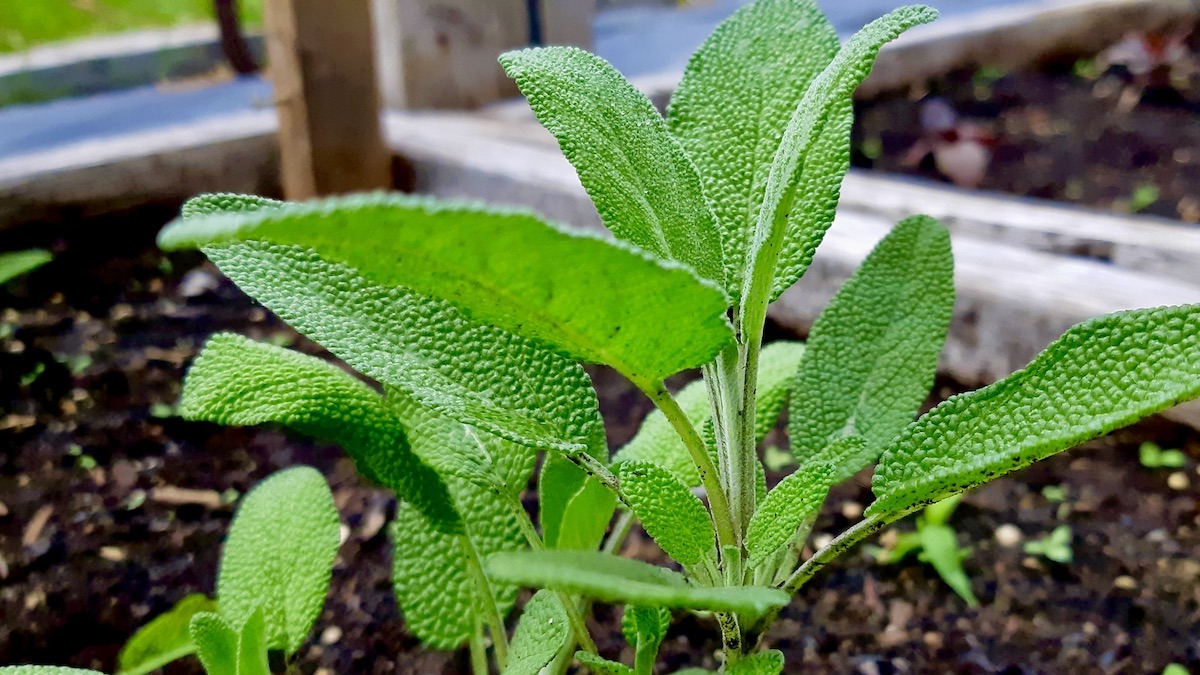
HOW TO CARE FOR SAGE IN THE BACKYARD GARDEN
Growing your own perennial herbs brings a fresh flavor to the kitchen, and learning how to care for sage is one of the easiest ways to secure a robust, year-round harvest. This woody herb is famous for its distinct, earthy aroma and velvety grey-green leaves. While it is a remarkably hardy plant native to the Mediterranean, successfully cultivating it depends on replicating its favorite dry, sunny conditions. Knowing how to care for sage properly prevents the common pitfalls of overwatering and root rot, ensuring your plant thrives for years.
Choosing the Best Soil and Sunlight
The most important step in how to care for sage is picking the right spot in your garden. Anyone figuring out how to care for sage must remember that this plant demands full sun, meaning it needs at least six to eight hours of direct sunlight every single day. If you fail to provide enough light when learning how to care for sage, the stems will stretch out, become weak, and lose the concentrated oils that give the herb its signature flavor.
In addition to sunlight, mastering how to care for sage requires sharp, well-draining soil. Sandy or loamy soils with a neutral to slightly alkaline pH are ideal. If your garden has heavy clay that traps water, a major part of how to care for sage successfully is choosing to grow the herb in raised beds or containers where you can easily control the drainage.
Watering Responsibly Without Over-Saturating
When figuring out how to care for sage, gardeners must resist the urge to overwater. To understand how to care for sage is to understand that this herb is highly drought-tolerant once it is established and actually prefers its soil to dry out between watering sessions.
For young, newly planted sage, the baseline rule for how to care for sage is to keep the soil damp but not muddy for the first few weeks to help the root system take hold. For mature plants, the core secret of how to care for sage is to only water when the top two inches of soil feel completely dry to the touch. During rainy spring weeks, you will find that how to care for sage requires no extra watering at all.
Pruning and Harvesting for Long-Term Health
An essential element of how to care for sage is regular maintenance. Without seasonal pruning, sage becomes woody, sparse, and produces fewer flavorful leaves, which defeats the purpose of learning how to care for sage.
Every spring, just as new growth begins to appear, the routine for how to care for sage involves pruning the entire plant back by about one-third. Cut away the oldest, toughest woody stems to encourage fresh, tender green shoots to emerge. When harvesting leaves throughout the summer, another rule on how to care for sage is to never take more than half of the plant at one time, which gives it plenty of foliage to recover and keep growing.