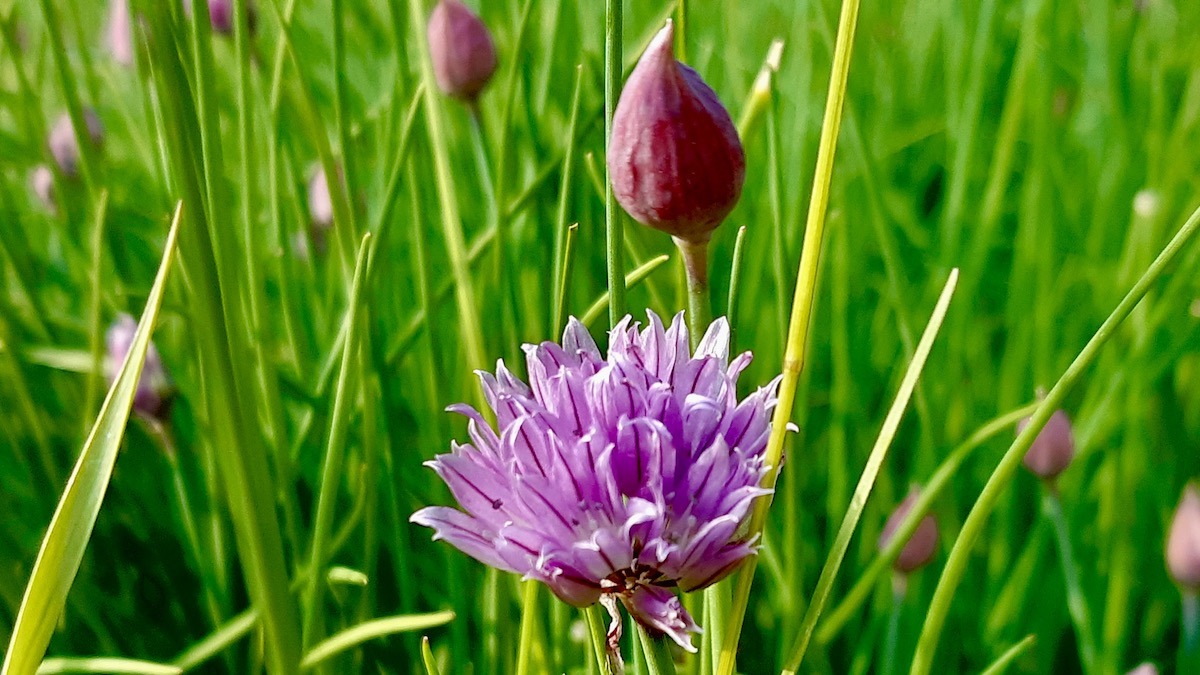
Adding fresh herbs to your home garden provides a continuous supply of kitchen staples, and mastering how to care for chives is one of the most straightforward ways to upgrade your culinary landscape. This cool-season perennial is highly prized for its mild, onion-like flavor and its attractive, edible purple flowers. While chives are exceptionally resilient and adapt well to various growing conditions, providing the proper foundation will guarantee a highly productive crop that returns year after year. Knowing how to care for chives successfully relies on understanding their basic soil, water, and harvesting requirements.
Selecting the Proper Location and Soil Conditions
The initial step in how to care for chives centers on positioning the plant in a favorable environment. Anyone learning how to care for chives should prioritize a location that receives full sun, which translates to six to eight hours of direct sunlight daily. While the herb can tolerate partial shade, a lack of adequate light will result in thinner, less flavorful blades.
In addition to sunlight, understanding how to care for chives means providing fertile, well-draining soil. These plants thrive best in a moist, loamy soil mix that is rich in organic matter. If your native garden soil consists of heavy clay that retains stagnant water, a crucial adjustment in how to care for chives is amending the plot with compost or choosing to grow the herb in raised beds or container pots where drainage is easily managed.
Watering Routines for Optimal Growth
Developing a consistent watering routine is another core component of how to care for chives effectively. Unlike tougher Mediterranean herbs that prefer dry conditions, chives require consistent moisture to produce tender, juicy stems. To implement the best strategy for how to care for chives, keep the soil damp but avoid saturating the ground to the point of muddiness.
For young seedlings or newly divided clumps, the standard instruction for how to care for chives is to water frequently enough to keep the top few inches of soil from drying out. For established patches, a proper routine for how to care for chives involves deep watering sessions once or twice a week, increasing the frequency during intense summer dry spells. Applying a thin layer of organic mulch around the base of the herb will help lock in this necessary moisture and suppress competing weeds.
Harvesting and Managing Edible Flowers
Proper maintenance and collection practices represent the final phase of how to care for chives over the long term. Regular harvesting actually stimulates the plant to grow more aggressively, which is a major benefit of learning how to care for chives properly. When cutting the herb for kitchen use, use sharp garden shears to snip the leaves from the outside of the clump, leaving about two inches of growth above the soil line so the plant can quickly regenerate.
Managing the distinctive purple blossoms is also part of how to care for chives throughout the spring and summer. While the flowers are entirely edible and make a visually stunning addition to salads, allowing them to remain on the stem until they fade will cause the plant to direct its energy into seed production rather than leaf growth. Therefore, an essential tip on how to care for chives is to deadhead, or cut back, the flower stalks immediately after they bloom to keep the focus on producing flavorful green blades.