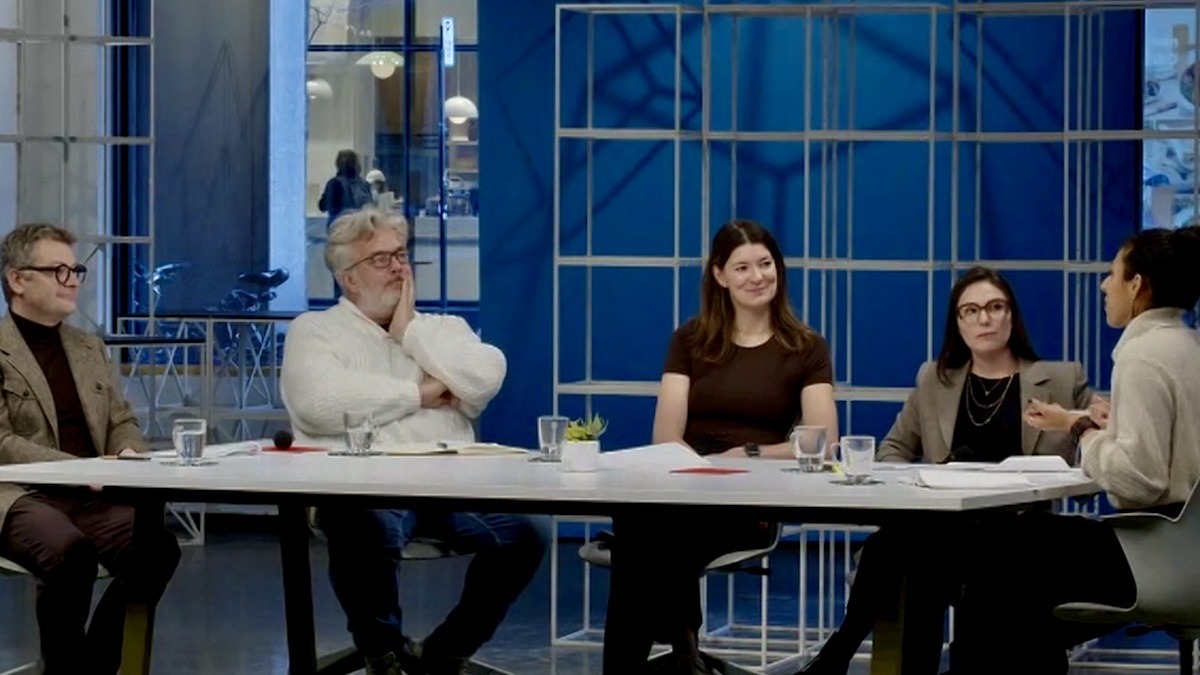
Concordia University researchers exploring how governance helps living labs and community partnerships turn common goals into meaningful change.
On November 12, we attended a webinar hosted at Concordia University’s 4TH SPACE in Montreal, bringing together researchers and practitioners to discuss how governance can turn shared ambitions into coordinated action.
The discussion raised an important question for anyone involved in living labs, community development, and collaborative research: how do we move beyond good intentions and build partnerships that actually work?
A recurring theme was that collaboration requires more than bringing people and organizations together. It needs clear decision-making processes, shared responsibilities, open communication, and ways to navigate disagreements. Different partners bring different priorities, knowledge, and expectations. Good governance creates the conditions for those differences to become productive rather than obstacles.
The panel featured Dr. Adriane MacDonald, Associate Professor and Canada Research Chair in Governance and Sustainability at Concordia University; David Guimont of Si Lab, whose work focuses on living labs and collaborative innovation; Michael Bossert of Concordia’s Next-Generation Cities Institute, who researches networks and Metalabs; and Juliette Champoux-Pellegrin, co-founder and executive director of Montreal Climate Week. The discussion was moderated by Nilufar Sabet-Kassouf of Future Earth and Sustainability in the Digital Age.
Learning from the Carbon Governance Living Lab
The webinar was connected to the Carbon Governance Living Lab, led by Dr. MacDonald and supported through Concordia University’s Volt-Age program. Its research examines how organizations and stakeholders can work together to design and implement local decarbonization initiatives.
One of the project’s first major outputs is A Roadmap to Designing Living Lab Governance Structures. The open-access report provides practical guidance on establishing governance arrangements, distributing responsibilities, supporting participation, and organizing collaborative work.
The discussion also emphasized that governance should evolve alongside a project. Evaluation, accountability, and learning are not simply reporting exercises. They help partnerships understand what is working, adjust their approach, and maintain commitment as circumstances change.
Bringing collaboration back to communities
The conversation was particularly relevant to community-based living labs, where residents, researchers, nonprofits, public institutions, and other partners bring different forms of knowledge and experience to shared challenges.
For community initiatives, governance needs to be practical, inclusive, and connected to the people involved. It should support local decision-making while allowing projects to grow, adapt, and respond to changing circumstances.
The central message was worth reflecting on: shared ambition is only the beginning. Lasting social and environmental impact comes from the ongoing work of building relationships, making decisions together, and creating structures that allow people to keep moving forward.
We’re very thankful to have learned a lot from this program, and can’t wait to see the great work they will do moving forward!