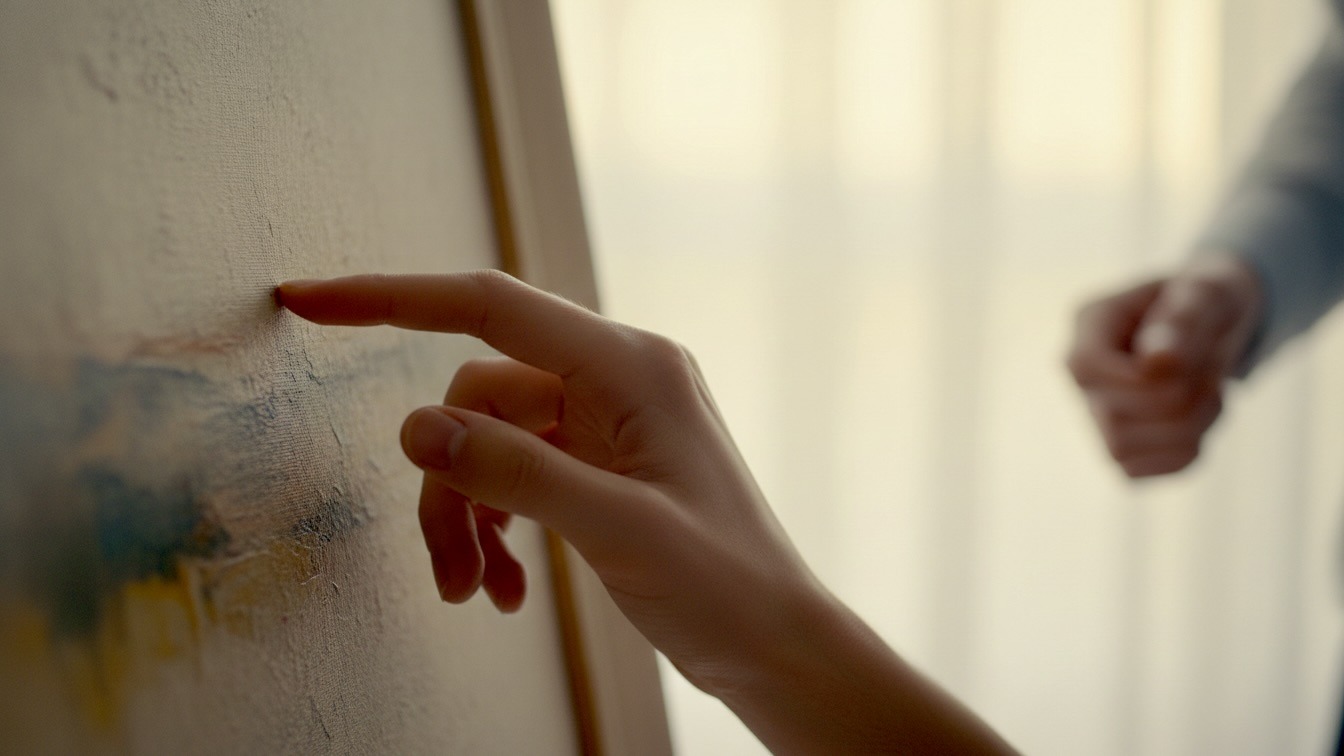
Unfinished stories leave space for imagination, letting readers engage with fragments and experience narratives in their own way.
How Incompleteness Can Become a Feature, Not a Flaw
We live in a culture that wants things wrapped up neatly. Stories are supposed to have beginnings, middles, and ends. But not every story wants that. Some stop abruptly, leave threads dangling, or vanish before you really know what happened. Our Unfinished Tales and Short Stories project was built on this idea. We deliberately published pieces that are incomplete, not because we forgot to finish them, but because leaving them open created a space for imagination, reflection, and curiosity.
Turning Incompleteness Into a Format
Instead of treating unfinished work as a category like “drafts” or “lost stories,” we treated incompleteness as a format. Some of our stories ended mid-sentence. Others trail off just as the tension builds. Some are moments where the characters never talk about what matters most, leaving the reader to fill in the gaps. The incompleteness is intentional. It’s not missing, it’s a choice that gives the story a kind of life beyond the page.
Why It Works for Content
This approach works for a lot of reasons. It’s low-effort in the sense that you don’t have to polish every line or force closure, but it still has impact. Conceptually, it aligns perfectly with arts incubation, which is about experimentation and letting work breathe rather than producing something “finished” all the time. It also feels intentional, not lacking. Readers notice that these stories are different, that they don’t follow the usual rules, and that rarity makes them shareable. People like to talk about them, quote them, debate them, and remember them precisely because they don’t give everything away.
From a content perspective, every unfinished story was designed as a micro-content opportunity. Fragments, mid-scene moments, or trailing sentences all become entry points for discovery, discussion, and engagement without extra effort.
What Our Stories Aim to Do
The Unfinished Tales and Short Stories project was about leaving room — room for imagination, for interpretation, for quiet reflection. Some stories stop mid-scene. Some fade into a winter night, the hum of the city, or the hush of a conversation that never finishes. Some simply end where they feel complete for us, even if that’s not a “traditional” ending. We weren’t trying to frustrate readers. The goal was showing that incompleteness was a choice, and that choice gives the stories a strange, lasting presence. Readers bring themselves into the gaps, fill in what they need, and often carry the story with them long after they’ve left the page.
What Others Can Take From This
If you create stories, art, or content, there’s a lesson here. You don’t need to finish everything. Sometimes leaving something open invites more engagement than wrapping it up neatly ever could. Incompleteness can become part of your voice, a signal that you’re curious, open, and willing to take risks. Sharing fragments, half-scenes, or stories that stop mid-thought can be as valuable as fully polished work. And perhaps most importantly, unfinished work invites participation. Readers get to imagine, discuss, or even argue about what might have happened. That space is where community forms, where stories continue beyond the page, and where your work lives longer than you could plan.
Unfinished isn’t sloppy. It isn’t lazy. It can be an invitation.
About the Author