From scrambled eggs to shared memory: why arts-led research needs infrastructure that handles mess, remembers connections, and doesn’t start from zero every time.
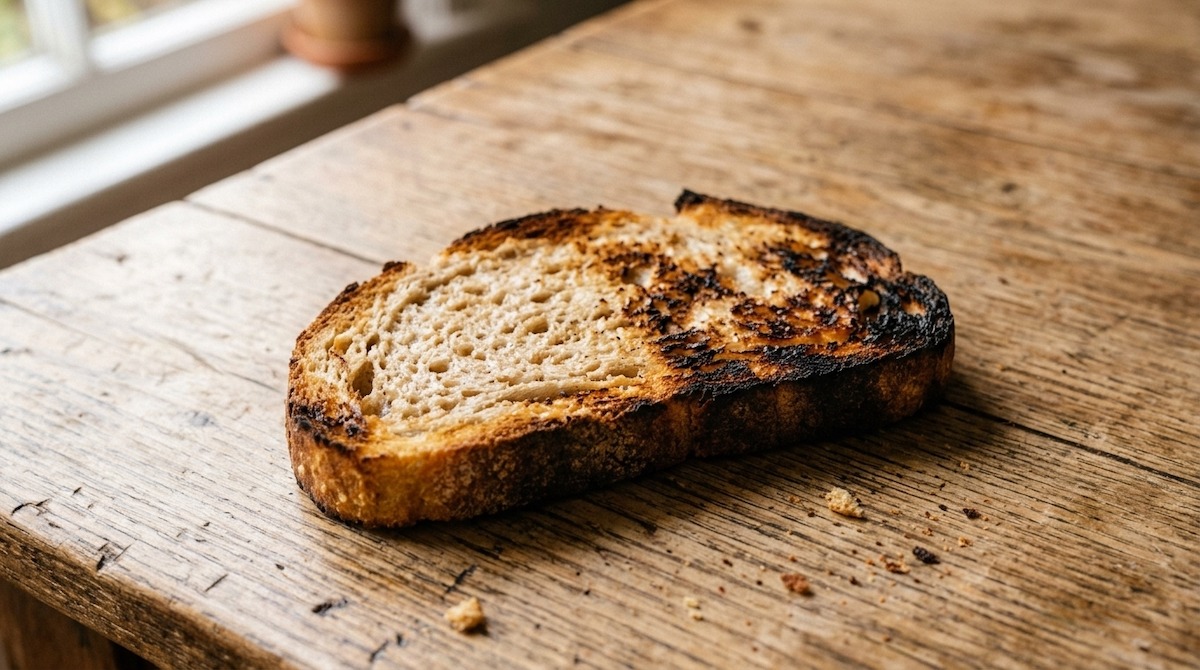
We started with scrambled eggs. Then bacon. Now we’re on toast, which means either we need lunch or our metaphors are getting away from us. Probably a bit of both.
Here’s the thing some of us have been thinking about research: it makes a mountain of stuff. Papers, notes, half-baked ideas, that one PDF you swear you’ll read later, the conversation in the parking lot that turned out to be the whole point. And then the project ends, everyone scatters, and six months later someone new joins and starts from absolute zero. Again.
It’s like cooking a huge breakfast and then throwing out the pan.
So we’ve been thinking about infrastructure. Not the boring kind with hard hats. The toast kind. The thing that lets you actually spread the jam without pretending jam and peanut butter are the same.
Research networks are supposed to learn, but in a lot of ways, they forget. People leave. Hard drives die. That brilliant insight lives in someone’s inbox and then that someone moves to Vermont. We want to build something that remembers. Not in a creepy surveillance way, but in a “oh right, someone already figured this out in 2019” way.
We hate dead end projects, and everyone who works with us knows that. We say it all the time. So for this project, the dream is a shared knowledge environment where one project leaves behind something the next project can actually find. And use.
And yeah, once you start stockpiling all this stuff, finding anything becomes its own problem. That’s where AI could actually help … not by telling us what to think, but by being the person at the party who says “wait, didn’t someone mention this exact weird idea two years ago?” and actually knows where to look for it.
The arts make this harder, which is why we like them. Knowledge in creative work doesn’t always show up as a tidy document. Sometimes it’s a process. A texture. A mistake that turned out interesting. You can’t just shove that into a spreadsheet and call it a day. The infrastructure we need needs to handle mess. In fact, it should probably expect mess.
Anyways, we’re still figuring it out. There’ll definitely be too many databases. There will be diagrams that make sense to exactly one person. Someone will insist their colour-coded spreadsheet is a “knowledge ecosystem.” But the toast feels right. It’s not fancy. It doesn’t pretend to be the meal. It just gives the good stuff somewhere to land, something to hold it together, and maybe—if we’re lucky—lets a little jam end up somewhere we didn’t expect.
We may have found our infrastructure. Pass the butter.