Why Circular Economies Begin With Paying Attention to Local Materials
When people think about pottery, they usually imagine the finished piece: a mug, a bowl, a sculpture or perhaps the excitement of opening a kiln to see what happened.
What they don’t often see is everything that comes first.
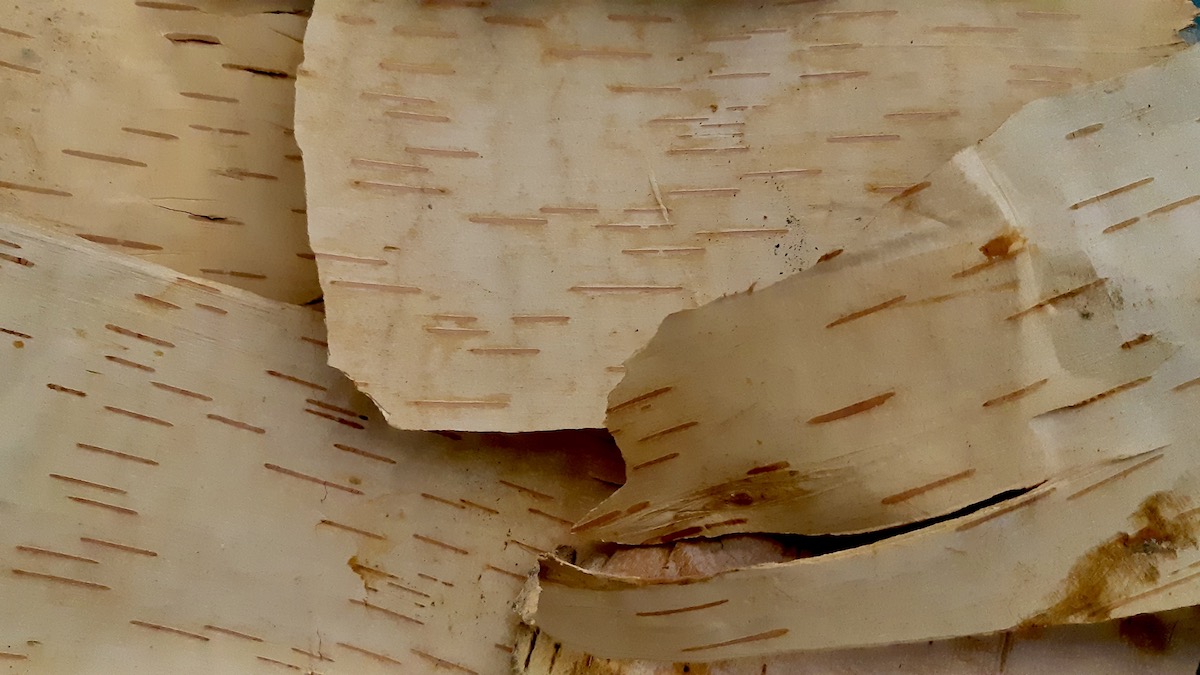
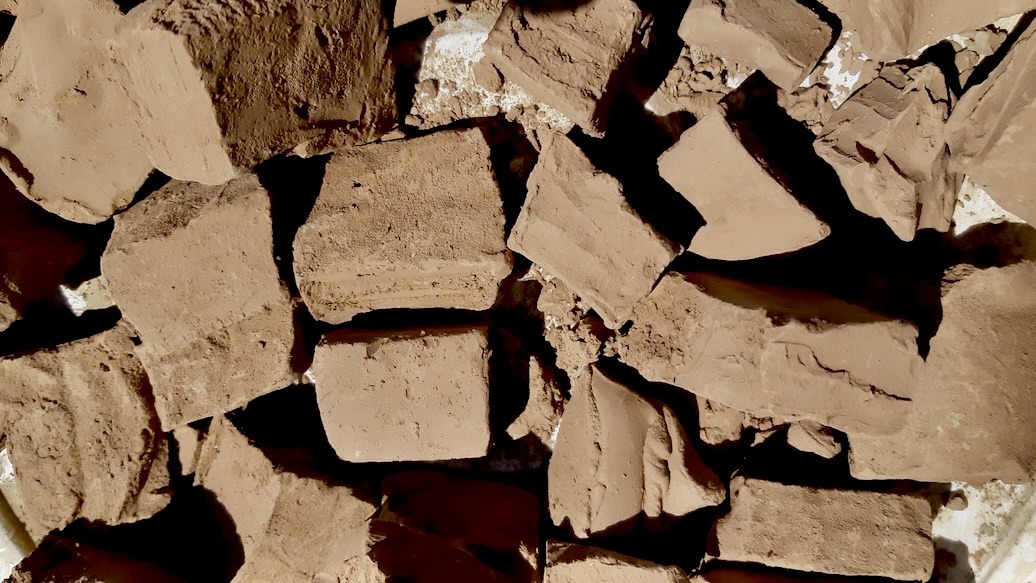
If you walked into our living lab today, you wouldn’t find rows of finished ceramics. Instead, you’d see buckets of wild clay, containers of powdered clay waiting to be rehydrated, stacks of birch bark sawdust, buckets of wood ash, and carefully sorted firewood.
To someone passing through, it might not look like much.
To us, it represents weeks of work.
This summer, our arts incubator living lab program has taken on one of its biggest hands-on projects yet: building a pit firing practice using local materials gathered from across the boreal landscape of Northwestern Ontario.
Ironically, we haven’t lit a single pit fire.
An active wildfire season and ongoing fire restrictions have pushed our firing plans back until at least September. At first, that felt disappointing. But it also gave us something we rarely have enough of—time.
So we kept gathering.
We harvested several deposits of grey and varved glacial clay and learned that no two sites behave exactly the same. Every bucket of clay had to be dug, hauled home, broken apart, soaked in water, strained multiple times to remove roots and stones, dried, and finally crushed into a fine powder so it could be stored until we are ready to use it.
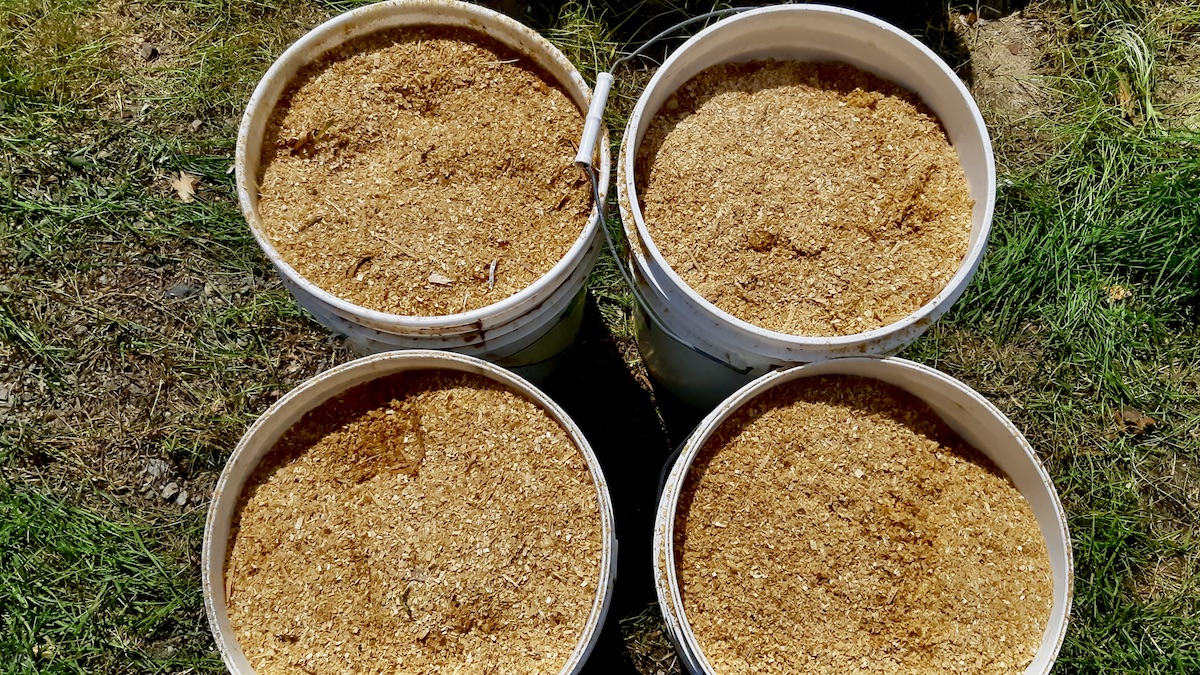
Then came the firing materials.
Over the past several weeks, we’ve collected around ten 20-litre buckets of birch bark sawdust. We’ve saved several cubic feet of poplar and pine wood ash. We’ve gathered birch, poplar, and pine for fuel, along with leaves and other forest materials that we’ll eventually test in the pits.
None of it happened quickly.
The sawdust came a little at a time. The ash accumulated one fire after another. The clay took days to process. Some afternoons were spent digging. Others were spent straining clay or waiting for it to dry before the next step could begin.
There were no shortcuts.
That’s something we think is worth talking about.
Today, it’s easy to buy almost everything you need for pottery. Commercial clay arrives in neatly wrapped boxes. Bags of glaze are ready to mix. Firing materials can be ordered online.
We chose a different path.
Instead of asking what we needed to buy, we started asking what was already around us.
Could the glacial clay beneath our feet become pottery? Could birch bark sawdust become a firing material instead of a waste product? Could wood ash from our own fires help create distinctive ceramic surfaces? What could we learn if we worked with the landscape instead of around it?
Those questions have led us down a path we didn’t fully expect.
This project has become an exercise in paying attention. We notice the colour of different clay deposits. We compare the texture of ash from different tree species. We start looking at piles of sawdust, fallen branches, and forest debris a little differently—not as waste, but as materials with another purpose.
In many ways, that’s what a circular economy looks like on the ground.
It’s not always about new technology or large-scale recycling systems. Sometimes it’s much simpler. It’s about recognizing value in materials that already exist, keeping them in use, and finding thoughtful ways to give them another life.
That approach takes time.
It also changes the way we see a landscape.
When we finally light our first pit fire this fall, we’ll be excited to see what happens. But whatever comes out of the ashes will represent much more than a day’s firing.
It will represent weeks of walking, digging, carrying, collecting, drying, sorting, experimenting, and learning.
And perhaps that’s the real beginning of pottery … not the moment the fire is lit, but the moment we start paying attention to the materials beneath our feet.