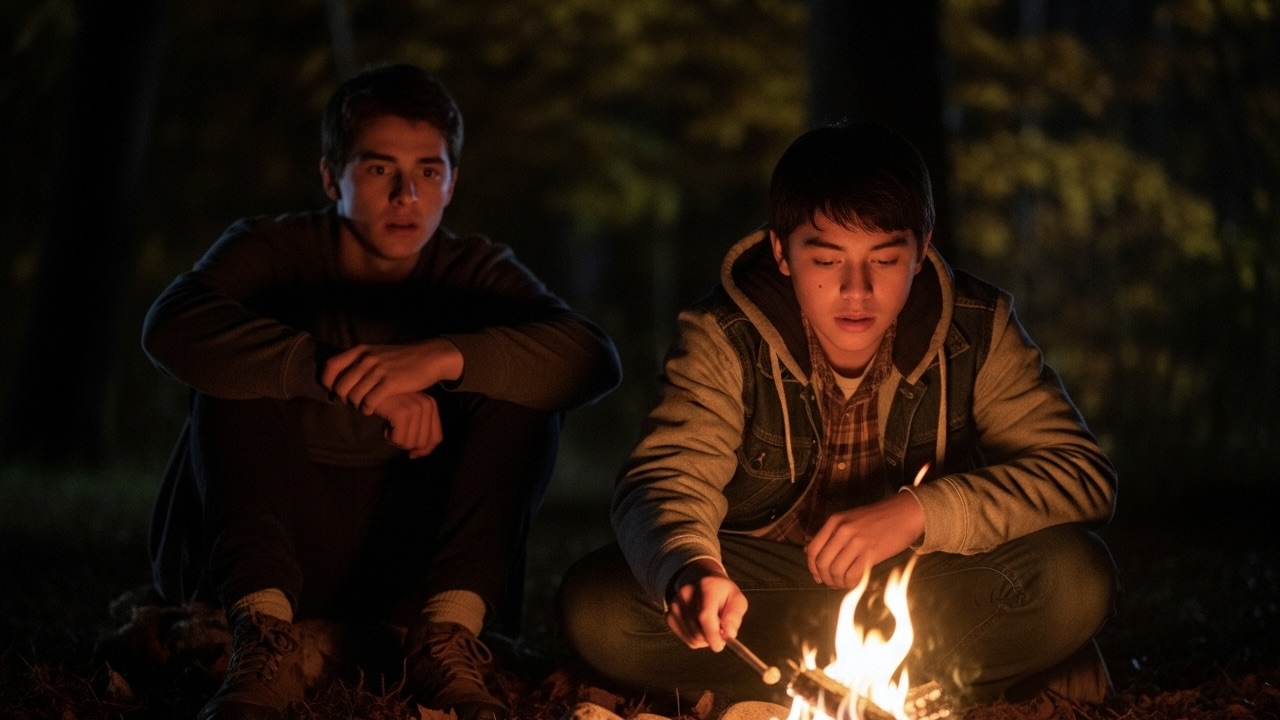
How reversing civic disengagement can halt Canada’s accelerating decline and economic stagnation.
Everything in 2026 feels like it is moving at 2x speed except for your actual quality of life.
Many feel caught in the high-speed vertigo of a country that used to pride itself on being the steady, reliable middle-child of the G7, now frantically trying to recalibrate while the wheels start to wobble. The housing crisis isn’t just a headline anymore; it is a blurred background noise that follows you from your overpriced rental to your stagnant paycheck. You feel the friction of a system that is overheating, yet somehow failing to generate any real warmth for the people caught in the gears. This isn’t just a slow patch; it’s a systematic downclocking of the Canadian promise, and the sheer velocity of the slide is enough to make anyone want to close their eyes and wait for the impact.
But the real danger isn’t the speed of the descent—it’s the way we’ve collectively decided to unbuckle our seatbelts. You see the stats: voter turnout among people your age is a flatline, a digital ghost of what it used to be. We are ghosting the very institutions meant to stabilize the high-speed wobbles of our collective future. When you tune out, when you decide that politics is a corrupted stream not worth your bandwidth, you aren’t actually escaping the noise. You are just handing the remote to someone who doesn’t care if your screen stays dark forever. The void left by your silence is immediately filled by the loudest, most polarized signals, creating a feedback loop that only serves to accelerate the very decline you’re trying to ignore.
This disengagement has a specific, kinetic cost. Because the 18-24 demographic is essentially a low-signal zone at the ballot box, the policy-makers stop optimizing for your reality. They focus on the high-frequency demands of older, wealthier cohorts who still show up to the polls with ritualistic consistency. This is why the housing supply stays throttled and infrastructure feels like a legacy system running on outdated drivers. We are experiencing a lag in representation because we have stopped sending the data. The class divide isn’t just about money; it’s about who has the energy to maintain a connection to the democratic process. By opting out, we are essentially allowing the country to drift into a low-power mode where the most vulnerable are the first to be disconnected.
We need a radical intervention in the interface. Civic engagement shouldn’t feel like a chore or a dusty relic of the twentieth century; it needs to be recognized as a high-velocity act of resistance. Voting is a jolt to the system, a sharp input that forces the hardware to acknowledge your existence. It is the only way to steer the ship before the drift becomes a permanent state of wreckage. We are living through a moment of intense fragmentation, where national unity feels like a file that has been corrupted beyond repair, but the fix isn’t found in further isolation. It is found in the friction of the crowd, in the collective demand for accountability that forces the engine to actually turn over.
Canada’s challenges in 2026 are not inevitable glitches; they are the result of a collective withdrawal from the dashboard. If you want to stop the blur of decline, you have to be willing to touch the controls. The ballot box is a pressure point, a way to exert force on a trajectory that feels out of control. We cannot afford to be passive observers of our own obsolescence. It is time to reclaim the bandwidth, to re-enter the stream, and to prove that we are still a living, breathing part of this network. The future is coming at us fast, and the only way to survive the rush is to be the ones who decide where we are going.
Thoughts on art and the state of the world!
This section presents reflections, observations, and commentary on issues affecting communities in Manitoba, Northwestern Ontario, and beyond. It focuses on local perspectives, community dynamics, and topics relevant to residents, offering insight into social, cultural, and civic matters.
Content is designed to inform, provide context, and highlight developments or considerations that impact everyday life and community well-being. Readers can engage with current discussions, explore diverse viewpoints, and stay connected to ongoing conversations shaping the region.
Explore more on our thoughts page.
About the Author