How Simple Creative Play Resets Your Brain
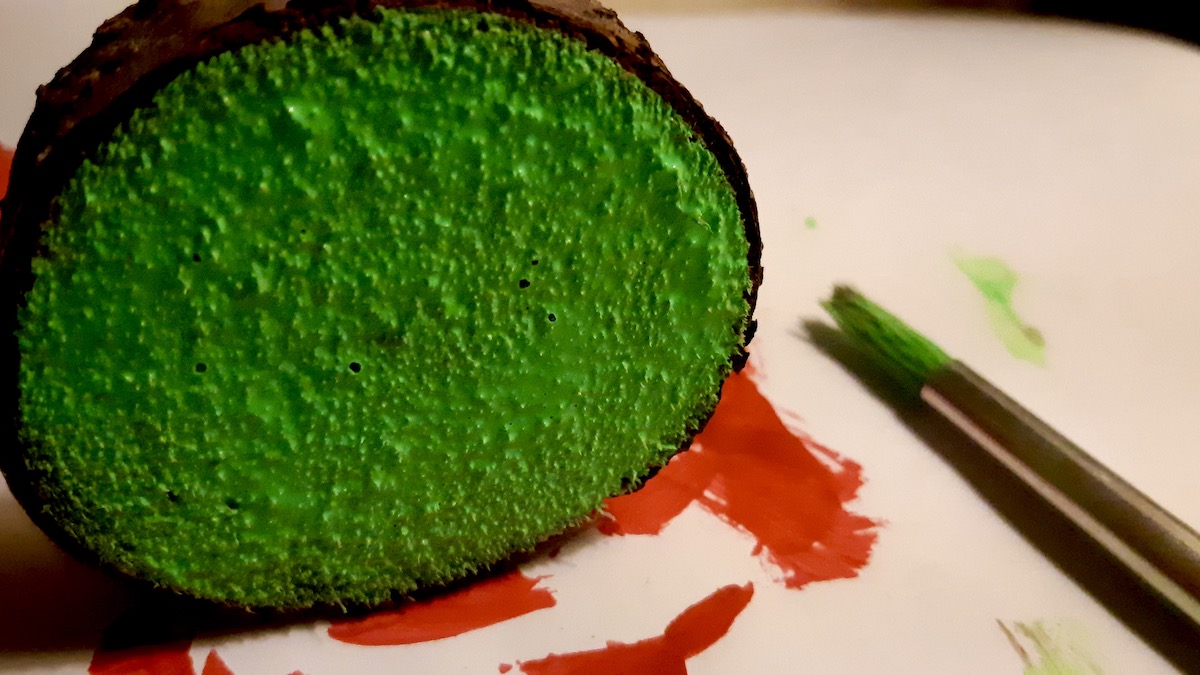
Forget pristine canvas boards, delicate watercolor washes, or museum ambitions. Sometimes the best fix for a fried brain is slathering the porous end of a cut log in neon green acrylic just to watch how the paint sinks into the grain.
In a world obsessed with side hustles and polished results, spending twenty minutes on unstructured creative play feels almost rebellious. Yet the simple act of making something with no purpose works wonders on an overstimulated mind. Getting your hands on physical materials—a rough piece of wood, thick gooey paint, or a cheap stiff brush—pulls you right out of your head. It grounds you in sensory details instead of your running to-do list.
When you pick up a brush without a grand plan, you stumble right into a flow state. That’s the psychological sweet spot where clock-watching stops, quiet takes over, and your nervous system finally gets to stand down. Studies have shown that making art lowers cortisol levels in under an hour, and it doesn’t matter if you can draw a straight line or not. Splashing a bright coat of lime green over a rough surface or smearing left-over red paint on scrap paper acts as an instant circuit breaker for a tired brain.
The real trick is stripping away the fear of messing up. When you treat painting like pure play—the way kids dig into finger paints without wondering if anyone will frame it—the performance anxiety disappears. You get to mess around with clashing colors, test how wet paint layers over dry wood, or just enjoy the drag of the bristles. It’s a low-key, hands-on escape from screens, deadlines, and notifications.
At the end of the day, picking up a brush shouldn’t feel like a test. Painting a slice of wood neon green won’t land you in a gallery, but that’s the entire point. Creativity is usually at its best when it’s completely useless, messy, and just plain fun.